KICT appointed as DAPA specialist research institute drawing on advanced construction technologies
- Input
- 2026-10-12 10:08:09
- Updated
- 2026-10-12 10:08:09
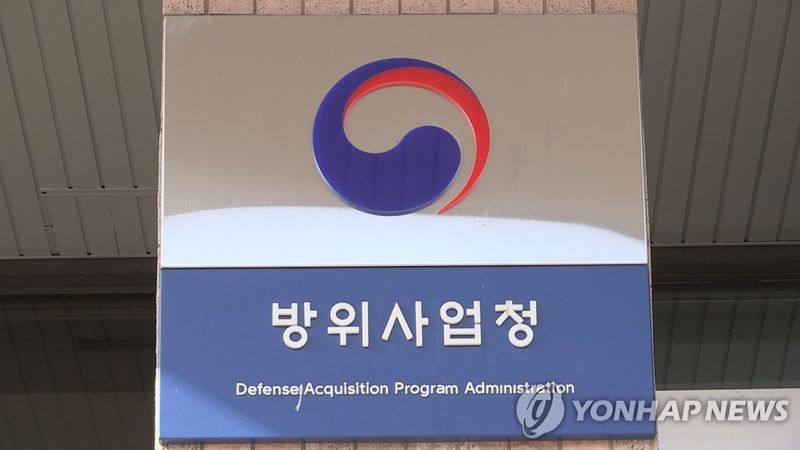
[Financial News] The Korea Institute of Civil Engineering and Building Technology (KICT) announced on the 12th that it had been newly appointed by the Defense Acquisition Program Administration (DAPA) as a specialist research institute supporting research and development, testing and other work related to defense materiel.
The DAPA specialist research institute program involves the DAPA commissioner appointing institutions after comprehensively evaluating their research facilities, technical capabilities and security requirements needed for research and development, testing and measurement in the defense sector.
KICT will now bring its accumulated research capabilities in structural engineering, geotechnical engineering, smart construction, energy and geospatial information—among the strongest in the country—to the defense sector. It has also laid the groundwork for advancing research and development (R&D) in military facilities to support the efficient operation of weapons systems and the continuity of operational missions. Going forward, it plans to expand defense R&D into a range of areas, including force protection and blast resistance, modularization of military facilities, smart construction and digital facility management, and artificial intelligence (AI)-based technologies for the construction and management of military facilities. Through these efforts, it aims to respond proactively to the changing defense environment and support improved performance and efficient operation of military facilities.
KICT’s extensive advanced research infrastructure is also expected to be used for defense R&D. The institute plans to use facilities such as its large structural testing laboratory, which previously provided successful support for performance testing under a tactical bridge system development project, to verify the key performance of military facilities and expand related testing and demonstration research.
KICT also plans to establish a defense construction R&D system spanning the entire life cycle of military facilities—from planning and construction to operation and maintenance—in connection with weapons systems. It will combine construction and facility technologies with existing weapons-system-centered defense R&D to enhance operational continuity, and plans to strengthen cooperation with DAPA, the Ministry of National Defense, the armed services, and industry, academia and research institutions.
KICT President Park Sun-gyu said, “This appointment as a DAPA specialist research institute is significant because it has created an opportunity to put the technical expertise and research infrastructure KICT has built up to full use in the defense sector.” He stressed, “Going forward, we will strengthen our capabilities in military facility research and development to support the stable operation of weapons systems and operational continuity, and work closely with the military to make a tangible contribution to strengthening the nation’s defense capabilities.”
[email protected] Yeon Ji-an Reporter