[National Assembly audit] BOK: High inflation in the 3% range is becoming entrenched; timing of further tightening to be closely assessed
- Input
- 2026-10-12 10:00:00
- Updated
- 2026-10-12 10:00:00
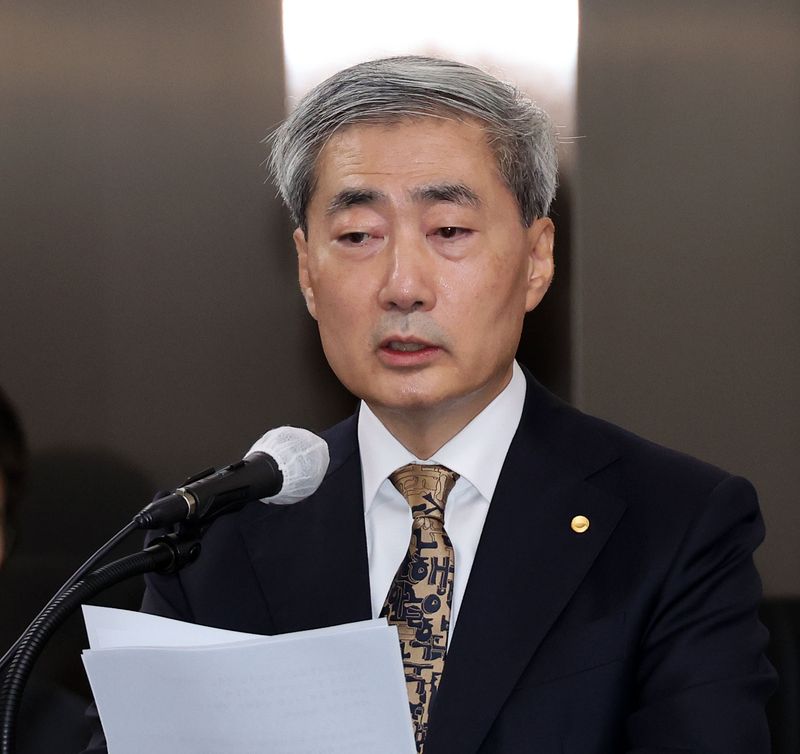
[Financial News] BOK Governor Shin Hyun-song forecast on the 12th that consumer price inflation would continue to rise at a high rate above the 2% target for the time being.
At an audit by the Strategy and Finance Committee of the National Assembly held that day at the BOK in Jung-gu, Seoul, Governor Shin said, “The pass-through of accumulated cost pressures is continuing, and demand-side pressures are also gradually growing.”
Governor Shin said the risk of financial imbalances stemming from rising housing prices in the Seoul metropolitan area and growing household debt remains significant, adding that the potential for distress in vulnerable sectors also remains a risk factor.
Governor Shin stressed that “it is important to prevent inflationary pressures from spreading through a preemptive response.” Regarding the future direction of monetary policy, he said the BOK plans to “decide on the timing and pace of any further rate increases after closely monitoring inflation, economic trends and financial stability.”
Earlier, in July and August this year, the BOK raised its base rate by a total of 0.5 percentage points to 3.0% per year.
The BOK said that upside risks to inflation had risen somewhat, citing a sharp increase in international oil prices due to the intensifying war in the Middle East. It added that consumer price inflation had risen to around 3%, particularly as petroleum product prices increased more sharply.
According to the BOK’s report on its operations submitted for the National Assembly audit, international oil prices continued to rise after July, when tensions in the Middle East intensified, and recently surged to above $100. The BOK said the government’s price cap on petroleum products and the lower exchange rate would ease inflationary pressures in the short term. However, if constraints on crude oil supplies persist, the pass-through effect of high oil prices on costs will grow, increasing inflationary pressure.
Core inflation, which shows underlying price trends and excludes food and energy, rose to the upper end of the 2% range, driven mainly by durable goods and personal services. Expected inflation over the next year also rose to the mid-to-high 2% range.
The BOK forecast annual consumer price inflation of 2.7% this year and 2.3% next year.
The BOK projected that the domestic economy would maintain solid growth, supported by a strong semiconductor sector, while vulnerable areas including small and medium-sized enterprises would continue to face difficulties.
The BOK said, “Our economy recorded a high growth rate of 3.8% in the first half of this year, driven mainly by exports and investment related to artificial intelligence (AI),” and projected gross domestic product (GDP) growth of 3.3% for the year and 2.9% next year.
However, with external uncertainties including the situation in the Middle East and U.S. tariff policy remaining significant, the BOK assessed that difficulties for some relatively vulnerable small and medium-sized enterprises and small-scale self-employed business owners would continue for the time being.
[email protected] Jeong Sang-gyun Reporter