Reducing gaps in care after hospital discharge... Jeju expands partner hospitals to 18
- Input
- 2026-10-11 17:00:37
- Updated
- 2026-10-11 17:00:37
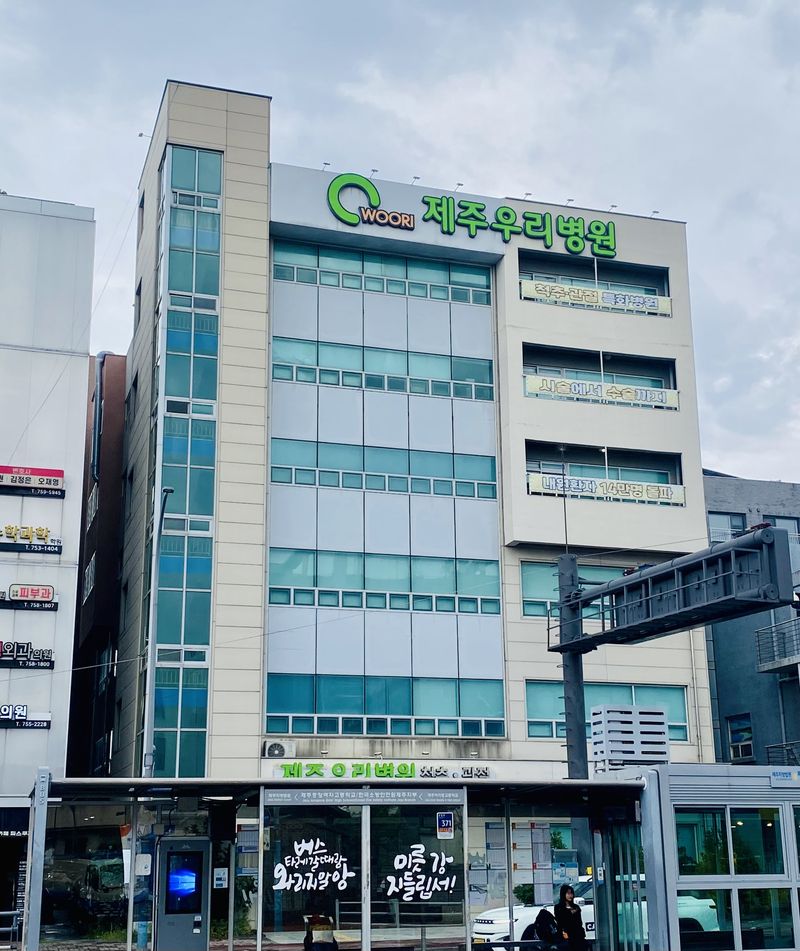
【Financial News, Jeju = Reporter Jeong Yong-bok】 The number of medical institutions connecting discharged patients in Jeju who struggle with meal preparation, housework or hospital visits after completing treatment to local care services has risen to 18.
According to Jeju Special Self-Governing Province on the 11th, this month the province added Jeju Woori Hospital, expanding the partner medical institutions in its “Safe Home Return Support Project for Discharged Patients” to 18: 4 public hospitals and 14 private hospitals. Under the project, hospitals identify patients who need medical care, long-term care or daily-living support after discharge and connect them with local government care services.
When a partner hospital assesses a patient’s health and living circumstances and determines that care is needed, it refers the patient to the integrated care departments of Jeju City or Seogwipo City. The city administration assesses the person’s health, housing conditions and whether family members can provide care, then draws up an individual support plan and connects them with the services they need.
Those eligible are people aged 65 or older and people under 65 with severe physical or brain-related disabilities. Priority is given to people with low incomes and few assets, including recipients of basic livelihood benefits and near-poor households, as well as older adults living alone whose family or social care networks are weak. Depending on patients’ conditions, services are arranged such as customized care for older adults, long-term care, Jeju Gachi Care, home medical and nursing visits, and housing improvements.
The project is also aligned with the “Act on Integrated Support for Community Care, Including Medical and Long-Term Care,” which took effect nationwide on March 27. The Care Integration Support Act was designed to enable people who have difficulty with daily life due to frailty, illness or disability to receive integrated medical, long-term care and support services where they live, rather than in hospitals or facilities.
Until now, patients discharged after receiving treatment at medical institutions have often had to find or apply for necessary services, such as home medical visits, long-term care and daily-living support, on their own. Older patients who live alone can face difficulties across daily life—including meals, taking medication and returning to the hospital—if care is interrupted right after discharge. The project aims to systematize information-sharing between hospitals and city administrations, the identification of eligible people and the coordination of services.
Jeju Province has operated the Safe Home Return Support Project for Discharged Patients on a pilot basis since September 2024, ahead of the nationwide rollout of the integrated care system.
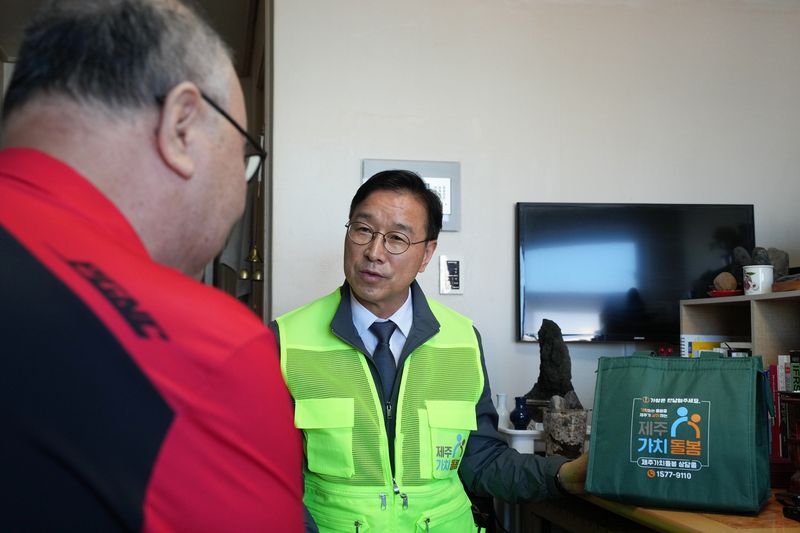
There were 14 partner medical institutions at the time. Jeju Halla Hospital and Jungang Hospital joined last year, followed by Hankook Hospital and Seogwipo Yeollin Hospital in June this year. After one medical institution closed, the number of partner hospitals was adjusted to 17. It rose to 18 after Jeju Province signed an agreement with Jeju Woori Hospital on the 1st of this month.
The partners comprise 4 public hospitals—Jeju National University Hospital, Seogwipo Medical Center, Jeju Medical Center and Jeju Regional Rehabilitation Hospital—and 14 private hospitals. By location, however, 15 medical institutions are in Jeju City and 3 are in Seogwipo City. As the number of partners grows, it is also important to assess whether care referrals are reaching residents in town and township areas and those with limited access to medical institutions.
The number of patients referred by hospitals to city administrations for care is also increasing. Since the project began in September 2024, a total of 252 discharged patients had been referred by August this year: 66 in 2024, 81 last year and 105 from January through August this year. In just eight months, the number referred this year has already exceeded last year’s full-year total.
Since April this year, Jeju Province has also been providing a “Short-Term Intensive Service for Discharged Patients” for older patients who need intensive help immediately after leaving the hospital. It is for people aged 65 or older who have been discharged from, or are about to be discharged from, a hospital-level or higher medical institution and have been referred for integrated care.
The services are designed around practical, everyday needs. They include nutritional support, such as lunchboxes, side dishes and meal kits; help with housework, including meal preparation, cleaning and laundry; and accompaniment when visiting hospitals, government offices or banks. When needed, the program also arranges housing improvements, such as home disinfection and repairs, as well as medical services.
Support is provided for one month initially and can be extended by one month if the need for care continues, for a maximum of 2 months. The monthly service limit is 980,000 won per person, with no out-of-pocket charge. The 980,000 won is not paid in cash; instead, the necessary care services are provided within that limit.
By the end of August, 102 discharged patients had actually used the service: 72 in Jeju City and 30 in Seogwipo City. The target for this year’s short-term intensive service is 197 people, and about 51.8% of that planned number had used the service by August.
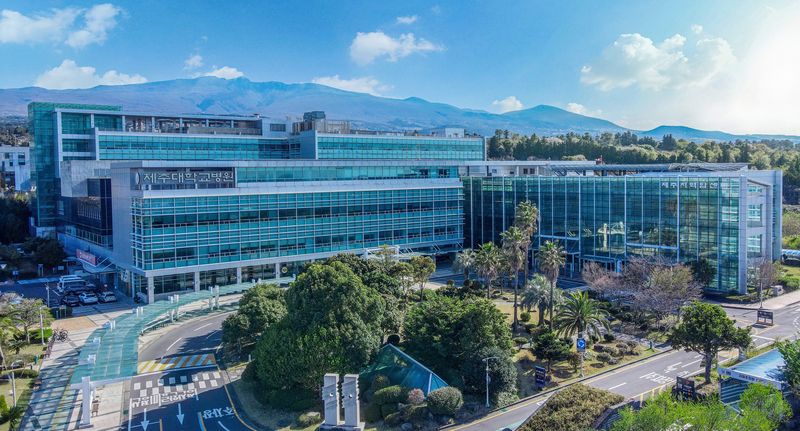
Support has also been introduced to encourage hospitals to actively identify patients who need care. Since this year, Jeju Province has provided partner medical institutions with a referral allowance of 50,000 won for each discharged patient they refer to a city administration for care.
The measure is intended to encourage hospitals to consider patients’ lives after treatment and discharge, and connect them with the local care system. The referral allowance is separate from any money paid to patients.
Although cooperation between medical institutions and city administrations is expanding, questions remain about how to assess the project’s actual results. It is necessary to determine not only whether the number of partner hospitals and patient referrals is increasing, but also how quickly referred patients receive the services they need and whether they can maintain daily life after support ends.
In particular, the extent to which the project reduces readmissions or admission to care facilities after discharge, and whether services are adequately reaching older adults living alone and residents in town and township areas, are important indicators for assessing its sustainability.
The aging population in Jeju also underscores the need to expand post-discharge care. According to demographic statistics released by Jeju Province, 19.4% of the population was aged 65 or older last year—about 1 in 5 residents.
As the older population grows, more residents may need a combination of medical care, long-term care and daily-living support after discharge, increasing the importance of a system in which hospitals and communities provide continuous care.
“With more partner hospitals, we can find people who need care after discharge closer to where they live,” said Lee Hye-ran, director of Jeju Province’s Welfare and Family Bureau. “We will expand the connections linking hospitals to community care and use short-term intensive services to help older adults recover their daily routines in the homes where they live.”
[email protected] Jeong Yong-bok Reporter