Reappointment denial overturned, but salary is “0”... A blind spot in university faculty employment relations
- Input
- 2026-10-12 16:11:07
- Updated
- 2026-10-12 16:11:07
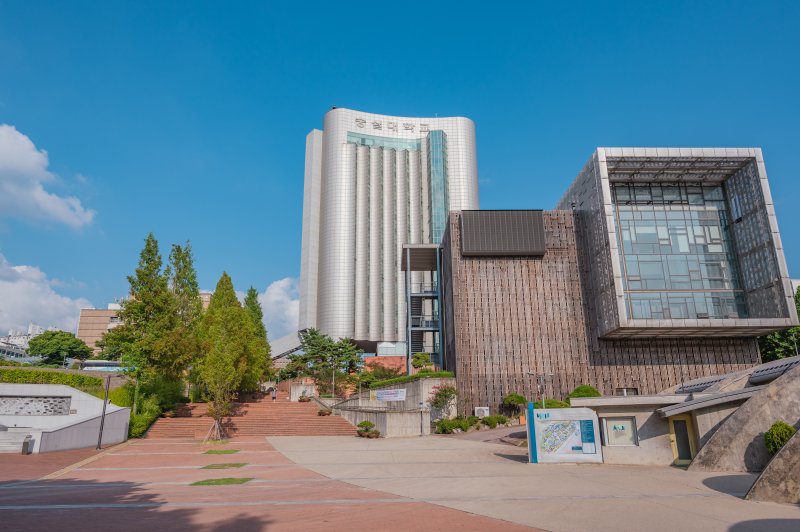
According to Financial News reporting on the 12th, Professor Jeon filed a wage-arrears complaint on August 27 with the Seoul Gwanak Branch of the Seoul Regional Employment and Labor Office, naming President Lee as the respondent. A labor inspector was assigned on September 2, and the investigation is underway.
In February, Soongsil University’s Faculty Personnel Committee met and notified Professor Jeon that it was denying reappointment. The stated reason was a violation of the ban on holding outside positions. The university said Professor Jeon had worked as an anchor on a media company’s YouTube program from August to December last year without the university’s permission.
Professor Jeon then petitioned the Appeal Commission for Educators for a review in March. After reviewing the case, the commission granted the petition in June, stating, “The respondent’s decision is hereby revoked.” Since the university did not challenge the decision, the finding that the first denial of reappointment was unlawful became final.
Nevertheless, Soongsil University issued a second decision denying reappointment in July. About 20 days later, the university reversed course, withdrawing the decision itself and saying it would reconsider the matter from the beginning. With both decisions losing effect, Professor Jeon’s faculty status has remained in place to date.
The problem is pay. Soongsil University has not paid Professor Jeon since May. When Professor Jeon requested payment, the university reportedly replied in a letter dated August 27 and issued under the name of the head of Academic Affairs that it could not pay wages because reappointment had not been finalized.
The university notified Professor Jeon by email on August 28 of the application for a reappointment review, then blocked the professor’s university webmail account five days later. Professor Jeon’s side said that all the supporting documents related to securing research projects and external cooperation were in the webmail account, but the account had been blocked and the only notice they received was the deadline for submitting the materials. On September 21, Professor Jeon filed for a provisional injunction with the Seoul Central District Court against the Soongsil University school foundation, seeking, among other things, an order barring interference with access to the email account.
The key issue is when the dismissal took effect. If the employment relationship is considered never to have been interrupted, given that both decisions denying reappointment were overturned, the university must pay all the back wages. But if the university’s argument is accepted—that Professor Jeon’s status is in limbo because the reappointment review has not been completed—the point at which the obligation to pay begins will differ.
A labor law expert, however, noted that university faculty employment relationships are treated differently from those of ordinary workers. Attorney Jeong Gi-ho of Yeo Law Firm said, “When the Labor Relations Commission grants an ordinary worker’s application for relief from unfair dismissal and the decision becomes final, the employment relationship is considered to have continued as if the dismissal had never happened. But under Supreme Court precedents, even if a decision denying a faculty member’s reappointment is overturned, the employment relationship is not considered to resume immediately; rather, the decision is understood to mean that the university must conduct a new appointment review.”
Under this legal principle, even if a decision is overturned, the university can reject reappointment again after a new review, and the faculty member must challenge it each time. Attorney Jeong said, “If the second denial is also unlawful because there was an error in the review criteria or procedure, the university has to conduct another appointment review. This differs from the legal principles that apply when an ordinary worker is unfairly dismissed.” He added that, under the Supreme Court’s precedents, faculty members are not automatically entitled to claim wages for the period in question.
Ultimately, this points to a gap in the system. Attorney Jeong said, “Faculty members with guaranteed tenure are considered virtually the same as ordinary workers, but fixed-term faculty are in a very vulnerable position. Professors, especially those on fixed-term contracts, are not being protected.”
[email protected] Kim Dong-gyu Reporter