“₩7.4 million of a ₩10 million debt forgiven” ... Saechulbal Fund helps the self-employed as intentional delinquencies also rise
- Input
- 2026-10-11 15:59:54
- Updated
- 2026-10-11 15:59:54
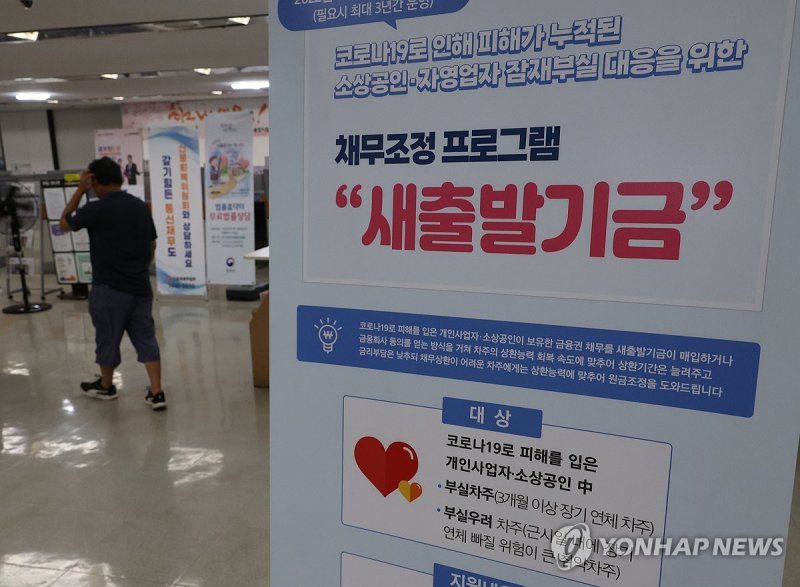
According to data on Saechulbal Fund’s purchase-based debt-restructuring agreements that the office of People Power Party lawmaker Park Jun-tae, a member of the National Assembly’s Political Affairs Committee, received from the Korea Asset Management Corporation (KAMCO) on the 11th, the average reduction rate stood at 74% as of the end of August.
The average principal owed per borrower was 91.5 million won, and the average principal reduction at the time of signing an agreement was 67.7 million won. The average delinquency period from the first missed payment to the signing of an agreement was about 10.9 months, with average interest accrued during that period estimated at about 10.3 million won. In other words, the average reduction was 6.6 times the interest burden resulting from delinquency.
Saechulbal Fund is designed to grant principal reductions only after a borrower has been delinquent for more than 90 days. Concerns have repeatedly been raised that this structure could encourage intentional delinquency and disadvantage borrowers who repay diligently. KAMCO says the number of people under review for intentional delinquency is also on the rise. The number stood at 92 in 2023, 196 in 2024, 339 in 2025 and 362 as of August this year. A KAMCO official said, “Principal reductions are made on portions of debt that borrowers cannot repay when they have no means to pay interest,” adding, “Saechulbal Fund is intended to reduce the debts of self-employed people and small business owners and help them get back on their feet, so we apply debt restructuring more broadly than in ordinary cases.” KAMCO said, however, that it had tightened its screening approach starting this year to prevent intentional delinquency.
[email protected] Jo Eun-hyo Reporter