Amid concerns over cracks in the South Korea-U.S. alliance, NIS says overall volume of U.S. intelligence shared has not declined
- Input
- 2026-10-11 19:04:50
- Updated
- 2026-10-11 19:04:50
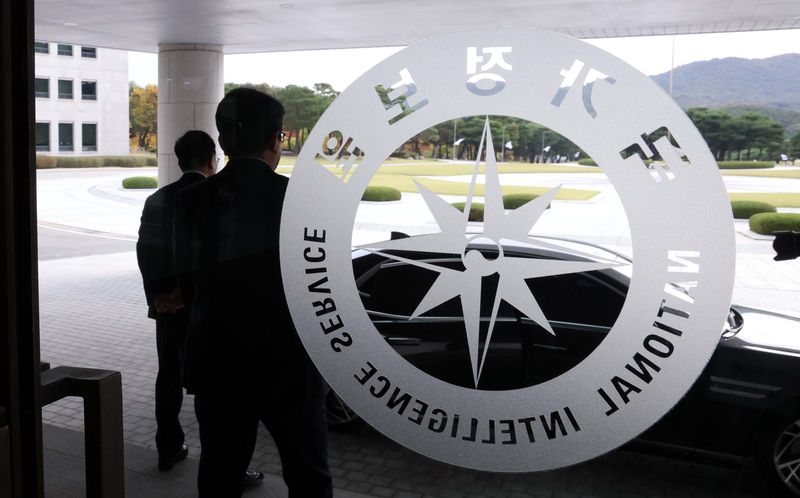
[Financial News] Following controversy over restrictions on intelligence sharing between South Korea and the United States, concerns are growing that a rift may be emerging in trust between the two countries, as an issue has also arisen over delays in issuing a U.S. visa to former Democratic Party of Korea (DPK) leader Jeong Cheong-rae. The National Intelligence Service (NIS) has moved to contain the fallout, saying intelligence cooperation with the United States is proceeding normally, but some U.S. restrictions on intelligence sharing remain in place. The Blue House is also reportedly considering options for high-level communication, including a visit to the United States.
In a statement on the 11th, the NIS rebutted reports that the United States was restricting the sharing of intelligence on North Korea other than information on North Korean missiles, saying, “That is entirely untrue.”
The NIS said, “Beyond some of the information that the government has already identified as the reason for the current ‘intelligence-sharing restrictions,’ intelligence cooperation between South Korea and the United States is active across various areas, including North Korean missiles and conventional forces, developments in North Korea, international relations, cyber issues, and counterintelligence.”
It also denied reports that the overall volume of intelligence on North Korea provided by the United States had decreased. The NIS said, “Despite restrictions on intelligence sharing in specific areas, the overall volume of intelligence provided by the United States has not declined,” adding, “Intelligence sharing between South Korea and the United States is two-way and mutually beneficial in many areas.”
The NIS did not, however, deny that some U.S. restrictions on intelligence sharing remain in place. The United States reportedly limited some intelligence provision related to North Korean nuclear facilities in protest after Unification Minister Jeong Dong-young publicly referred last March to a uranium enrichment facility in Kusong, North Pyongan Province, North Korea.
At a parliamentary audit on the 8th, Joint Chiefs of Staff Chairman Jin Young-seung said, when asked whether the United States was sharing key intelligence related to North Korea’s nuclear program, “Some of it is restricted, but this does not affect our readiness,” while adding, “It would be best for this situation to be resolved quickly.”
In particular, messages from the U.S. side emphasizing alliance trust and security principles in intelligence and counterintelligence have made it unlikely that the controversy will die down easily. The delay in issuing a U.S. visa to former DPK leader Jeong has added to the concerns, further widening worries about trust between South Korea and the United States. Jeong had planned to visit the United States for the National Assembly Foreign Affairs and Unification Committee’s audit of overseas diplomatic missions, but changed his destination from the Americas to Europe after the visa was delayed.
The Blue House is reportedly considering options for high-level consultations between South Korea and the United States, including a visit to the United States by Wi Sung-lac, director of the National Security Office. The Blue House says, however, that the director’s trip to the United States has not been finalized. With some restrictions on intelligence sharing unresolved for more than six months, whether future high-level talks can dispel concerns about intelligence cooperation between the two countries is expected to be a key question.
[email protected] Choi Jong-geun Reporter