Saudi Arabia suffers record casualties in Houthi attack; U.S. may intervene directly
- Input
- 2026-10-11 14:53:24
- Updated
- 2026-10-11 14:53:24
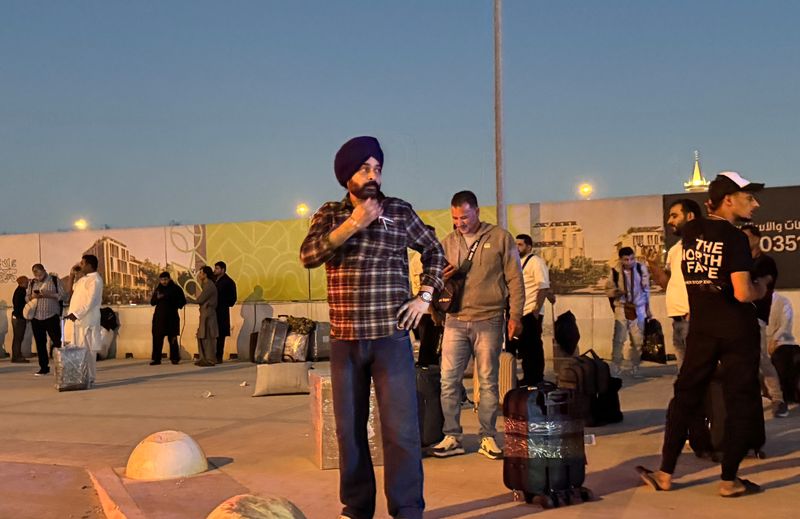
[Financial News] Last March, U.S. President Donald Trump, who launched a major air campaign against Ansar Allah (Houthis) rebels in Yemen, said the United States could help Saudi Arabia and join a full-scale campaign against the group. Ansar Allah (Houthis), who resumed clashes with Saudi Arabia in July, struck an airport in the Saudi capital, causing the worst casualties since the Iran war began in February.
U.S. Signals It Could Join Saudi Campaign Against Ansar Allah (Houthis)
According to foreign media outlets including the Associated Press, Trump met reporters at the White House on the 10th (local time) and was asked whether he planned to join Saudi Arabia’s attacks on Ansar Allah (Houthis). He replied, “We might.” He said, “We’ll look into that. We just learned about the latest attack, so we’ll make a decision too. We’ll move very quickly.”After nearly 30 years under a dictatorship, Yemen saw President Ali Abdullah Saleh ousted and an interim government established in 2011. President Abd-Rabbu Mansour Hadi was elected head of the interim government. But Ansar Allah (Houthis), an armed Shiite Islamist group, allied with remnants of the Saleh government, launched an uprising, and seized the capital in 2014.
Saudi Arabia, the leading Sunni power in Islam, formed a coalition with eight Middle Eastern countries, including Egypt, to oust Shiite forces backed by Iran, and began airstrikes targeting the rebels in March 2015. The United States provided Saudi Arabia with military supplies and intelligence at the time, but announced an end to its support in 2021 under the administration of Joe Biden. Saudi Arabia also entered a ceasefire in April 2022 through U.N. mediation. The United States directly bombed Ansar Allah (Houthis) in 2024–2025 after they helped Palestinian Hamas and threatened Israel, and bombed the Iran-backed group again last March.
The United States did not, however, conduct joint operations with Saudi Arabia in its airstrikes against Ansar Allah (Houthis). The front in Yemen grew dangerous again when Ansar Allah (Houthis) resumed missile and drone attacks targeting Saudi cities in July. On the 4th, the Saudi-led coalition and Yemen’s government forces announced the launch of Operation Dawn of Yemen to retake territory held by Ansar Allah (Houthis), and began efforts to reclaim key positions around the Bab el-Mandeb Strait, which connects the Red Sea and the Gulf of Aden.
Starting on the 5th, Ansar Allah (Houthis) retaliated with concentrated strikes on airports and oil facilities in Saudi Arabia. Attacks on Riyadh and Abha airports on the 6th and 7th killed three people and injured 36; two attacks targeting King Khalid Airport on the 8th killed three people, including a captain for a Saudi airline.
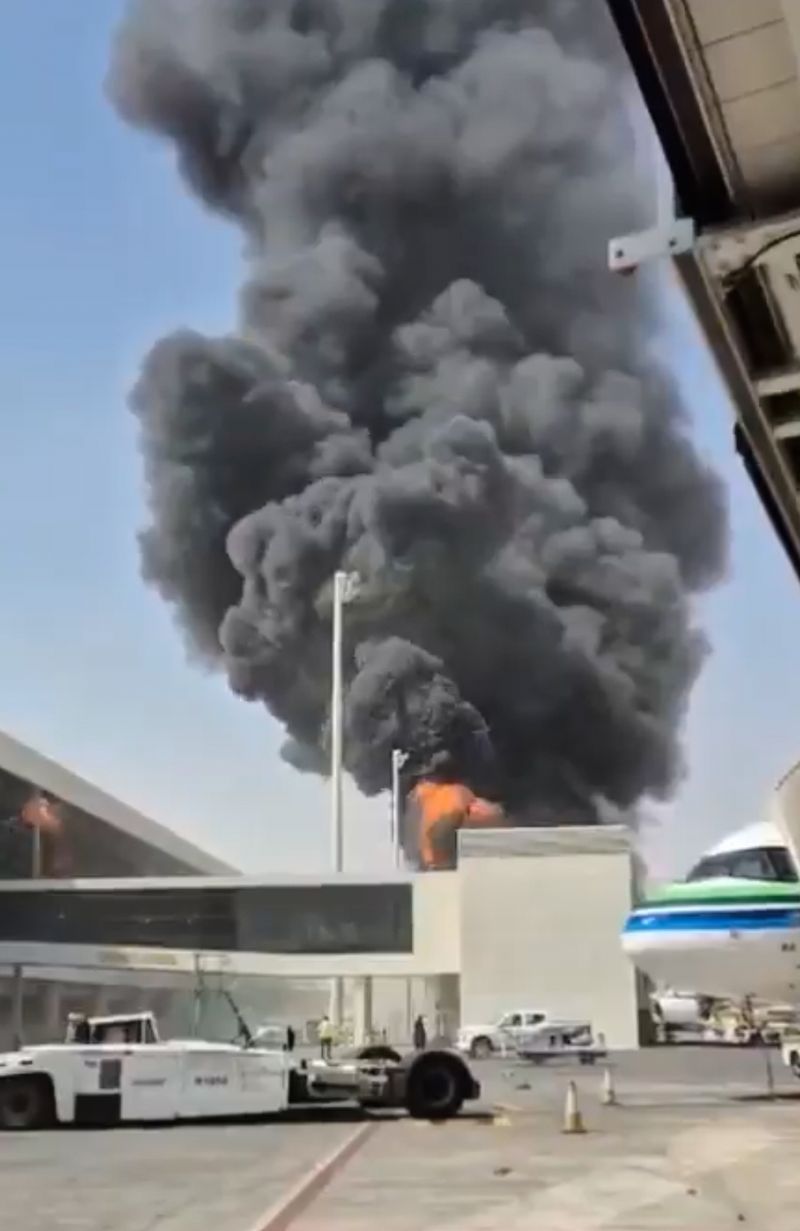
Airport in Saudi capital hit ... record casualties
On the 10th, the Saudi General Authority of Civil Aviation (GACA) announced that a long-range projectile had struck King Khalid International Airport in the capital, Riyadh, killing at least 12 people and injuring 309. GACA said that four of those killed were Saudi nationals, two were Bangladeshi, and one each was a national of the United States, Jordan, Palestine, Syria, Sudan, and Egypt. This was the most severe toll among casualties in neighboring Arab countries, excluding the countries at war, since the Iran war began in February.Officials said the attack took place without prior warning and that Saudi Arabia’s threat alert system had not issued an alert. The U.S. Wall Street Journal (WSJ) reported that the missile struck a facility housing the airport’s Terminals 3 and 4.
Muhammad al-Bukhaiti, a member of the Ansar Allah (Houthis) political bureau, told the U.S. New York Times (NYT) that the group was responsible for the attack. He said it was retaliation for Saudi airstrikes targeting civilian infrastructure and other sites in Yemen, and claimed, “This was meant to make the world understand that Yemen’s airports and ports, wedding and funeral halls, hospitals, and markets are civilian facilities that should not be attacked or harmed.”
After the strike, GACA temporarily suspended operations at King Khalid Airport to assess damage to the airport facilities and their safety. Kuwait Airways, Etihad Airways, and Qatar Airways also successively canceled flights to Riyadh, and some flight suspensions are expected to continue through the 12th. Turki al-Maliki, a spokesman for the Saudi-led coalition, said on social media platform X on the 11th, “A projectile fell near King Fahd International Airport in Dammam, Saudi Arabia.” He condemned the attack on King Khalid Airport in Riyadh as a war crime under the rules of international human rights law and customary law. He added that there would be a forceful retaliatory response to this “terrorist attack.”
The Associated Press cited intelligence support as a possible form of U.S. participation in Saudi Arabia’s air campaign. According to officials, Saudi Arabia appealed to France, the United Kingdom, Pakistan, Egypt, and others last month, citing a shortage of interceptor missiles and requesting air defense support. The United States, for its part, has already used up most of its air defense missiles in the Iran war. In this connection, one official said Saudi Arabia had requested intelligence support from the United States, including target locations and operational plans. Saudi Foreign Minister Faisal bin Farhan Al Saud said during a call with Oman on the 10th that “support for a diplomatic solution” was important.
[email protected] Park Jong-won Reporter