Six in 10 Teachers Use Generative AI for Teaching and Assessment, but Systematic Support Is Lacking
- Input
- 2026-10-11 09:06:09
- Updated
- 2026-10-11 09:06:09
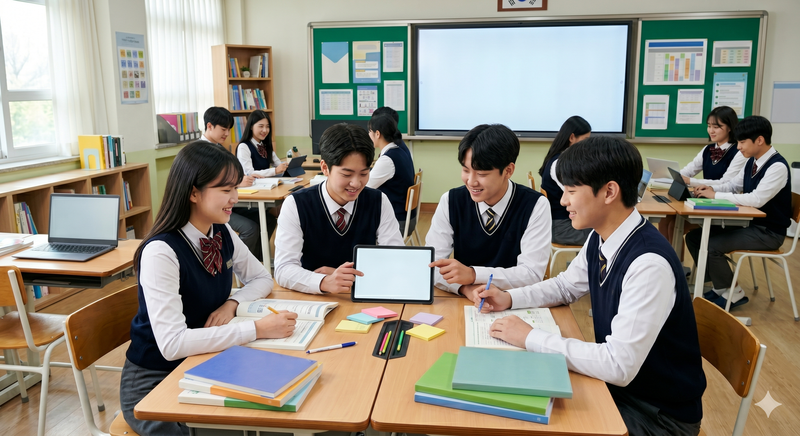
About 63% of teachers surveyed used generative AI for teaching or assessment. Most teachers understood its basic functions and a range of ways to use it, and many used it at least two to three times a week. High school teachers and teachers with less experience used it relatively frequently, while the rate of use for teaching and assessment was also high among information and computer teachers. The response rate among the 2,740 people surveyed was 60.5%.
Use varied considerably by area. Both the frequency and perceived effectiveness of use were high when teachers were generating ideas for lesson topics or assessment plans, but use was relatively low for tasks such as analyzing curricula and learners or assisting with assessments using detailed scoring criteria (rubrics).
Teachers’ views were mixed. While they had high expectations for AI’s educational value and its potential to improve work efficiency, they were also concerned about inaccurate information, personal data leaks and a decline in students’ thinking skills.
The survey also found that many respondents relied on unofficial channels or did not know how to get started, and that perceptions and levels of use varied considerably depending on teachers’ backgrounds. The research team concluded that guidelines containing strategies for using AI at each stage of teaching and assessment and ethical guidance, along with teacher training programs, were needed.
The guidelines developed by the institute focus on supporting teachers’ judgment rather than banning or regulating the use of AI. They emphasize that teachers should review the educational validity and reliability of AI-generated outputs and make the final judgment and take responsibility for it.
The guidelines comprise five key ethical principles—use AI transparently, safely and fairly; make responsible judgments; and use AI as a collaborative partner—as well as 15 common guidelines. From lesson preparation through completion, they divide the process into four stages: analysis; design and development; implementation and student assessment; and lesson evaluation and reflection. They set out 11 overarching strategies, 28 sub-strategies and 33 guidelines for use.
The institute also proposed policy measures to create a safe and reliable environment for using AI. These include developing and distributing public generative AI tools and platforms for education based on the national flagship AI being pursued by the government, and building AI training data for use in teaching and assessment. It also said that academic performance management guidelines issued by metropolitan and provincial offices of education should be revised, a certification system for educational AI tools and platforms introduced, and teacher training and AI literacy education for students strengthened. AI literacy is the ability to understand AI and use it appropriately.
In interviews with teachers selected for their meaningful use of generative AI, the teachers said they created learning materials and formative assessment questions while preparing lessons and assessments. During implementation, they chose tools based on lesson objectives and students’ ages, and had students use AI in individual and group activities under teachers’ guidance and monitoring. At the assessment stage, they used it for tasks such as automated grading and providing feedback.
Hong Seon-ju, the lead researcher and a senior research fellow, said, “I hope the research findings and guidelines will be used in schools to ensure the safe and responsible use of generative AI and to enhance teachers’ expertise in teaching and assessment.”
[email protected] Kim Man-gi Reporter