Liver supplements: Are they really good for the liver? The key to preventing liver cancer lies elsewhere [Health Talk]
- Input
- 2026-10-10 11:20:43
- Updated
- 2026-10-10 11:20:43
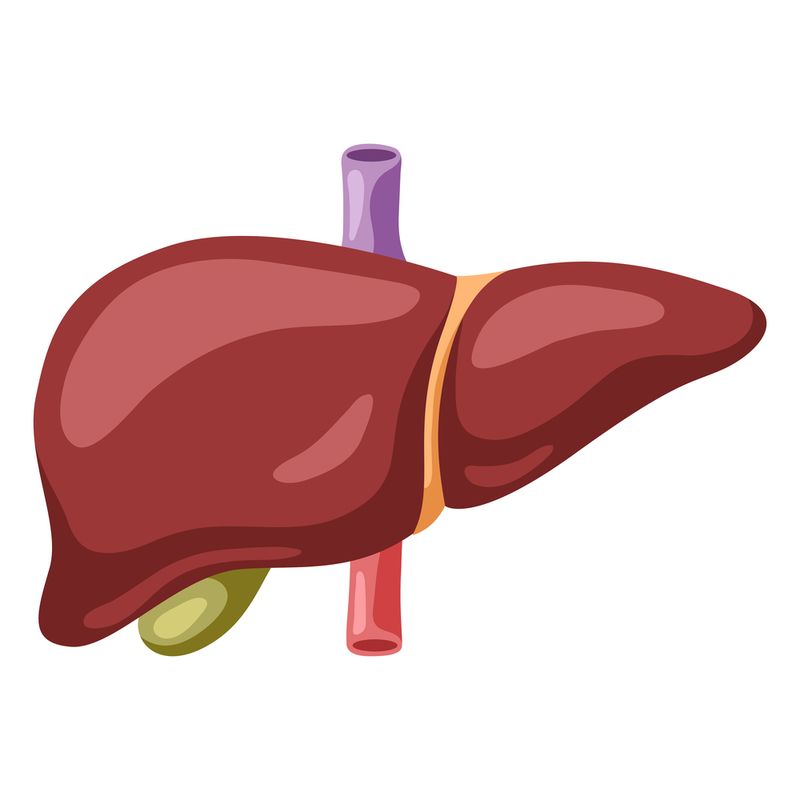
[The Financial News] The five-year survival rate for liver cancer has risen from 11.8% in the 1990s to 40.4% in recent years. However, it is still considered one of the cancers with low survival rates, alongside lung and pancreatic cancer. That is because it is often detected only after symptoms appear.
By the time symptoms such as abdominal pain or weight loss appear, the cancer has usually already progressed considerably. That is why people with hepatitis viruses or cirrhosis should have regular screening even if they have no symptoms.
Liver cancer is a malignant tumor that develops in the liver. Hepatocellular carcinoma, which arises in liver cells, accounts for about 75% of cases and is the most common type. Bile duct cancer and other types follow. The term liver cancer commonly refers to hepatocellular carcinoma.
As of 2023, liver cancer ranked seventh among cancers in Korea, accounting for 5.1% of cases. It ranked higher among men, at fifth, while among women it was around eighth.
Hepatitis B and C and cirrhosis are the leading risk factors
The leading cause of liver cancer is infection with hepatitis B or C viruses. Cirrhosis, in which the liver hardens after prolonged chronic hepatitis, is also a major cause. Frequent drinking, smoking and obesity also increase the risk.
There are usually no noticeable symptoms in the early stages. Symptoms such as abdominal pain or bloating, a lump that can be felt in the abdomen, and unexplained weight loss generally appear only after the cancer has progressed considerably.
Kim Jeong-han, a professor of gastroenterology at Konkuk University Medical Center, said, “The most important thing is to get diagnosed early through regular screening, before symptoms develop,” adding, “If you have liver disease or drink heavily, you must seek medical attention if these symptoms appear.”
People with chronic hepatitis B, chronic hepatitis C or cirrhosis are at high risk of liver cancer. Even if they have no symptoms, they should have a liver ultrasound and a serum alpha-fetoprotein (AFP) test every six months. People aged 40 or older who are in a high-risk group can receive both tests twice a year, at six-month intervals, through the national liver cancer screening program.
If a mass is found during testing, it is diagnosed using methods such as computed tomography (CT) or magnetic resonance imaging (MRI). If it is smaller than 1 cm, imaging alone may not be enough to confirm the diagnosis, so doctors may use two types of imaging tests together or conduct follow-up tests, and perform a biopsy if necessary.
Treatment varies depending on liver function and cancer size
Treatment is determined by liver function and the size and number of tumors. If liver function is good and the cancer is small, doctors may remove it surgically or use local treatment to destroy it with radiofrequency ablation. If the cancer is at an early stage but poor liver function makes surgery difficult, a liver transplant may be considered. However, a donor is needed, so the wait may be long.
If the cancer has spread to several areas or is advanced, treatment may involve transarterial chemoembolization (TACE), in which chemotherapy drugs are injected into the blood vessels supplying the liver before the vessels are blocked, or systemic chemotherapy. Konkuk University Medical Center is working to find treatments tailored to individual patients through multidisciplinary care involving its departments of surgery, radiation oncology and radiology.
Local treatment or embolization targets only the area where the cancer is located, so the risk of recurrence is higher than when the cancer is completely removed surgically. Even after treatment, patients should have imaging and tumor marker tests every two to six months to check for recurrence.
Vaccination, quitting smoking and limiting alcohol are the basics... “The effectiveness of liver supplements has not been verified”
The first step in preventing liver cancer is vaccination against hepatitis B. Infection through unsterilized equipment used for tattoos or acupuncture should also be avoided. People who already have hepatitis B or C can lower their risk of liver cancer by consistently receiving antiviral treatment to suppress viral activity.
Quitting smoking and limiting alcohol are also essential. Moderate protein intake helps maintain liver health. However, recent studies have found no evidence to support the common belief that a glass or two of wine is good for your health, and the effectiveness of commercially available liver health supplements has also not been verified.
Professor Kim emphasized, “Whatever treatment you choose, your liver function must be strong enough to support it,” adding, “Take care of your liver through vaccination, not smoking and limiting alcohol, and if you are in a high-risk group, do not skip regular screening.”
[email protected] Medical Correspondent Jeong Myeong-jin Reporter