South Korea-Ukraine ‘diesel dispute’ reaches a peak ... South Korean ambassador to Ukraine recalled home
- Input
- 2026-10-10 10:23:52
- Updated
- 2026-10-10 10:23:52
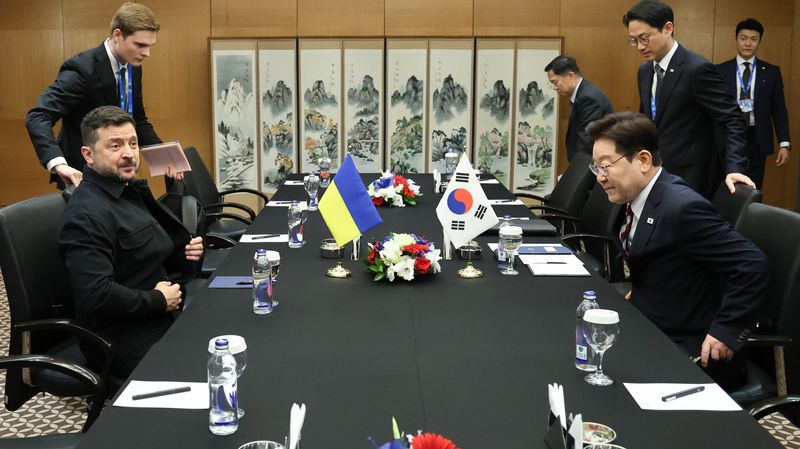
It has been 18 years since the South Korean government last recalled an ambassador to a major country over a diplomatic issue or dispute. The last official recall made in protest was that of the ambassador to Japan in July 2008, over the issue of references to sovereignty over Dokdo.
The South Korean government has been demanding an apology from the Ukrainian government for President Volodymyr Zelenskyy’s breach of a confidential promise to repatriate two North Korean soldiers to South Korea. Instead of apologizing, however, Ukraine cited foreign media reports to criticize South Korea for not joining sanctions against Russia, which started the war, further escalating tensions.
The British newspaper The Guardian sparked controversy with a report that diesel refined in South Korea had been shipped to Russia, which is under sanctions over its invasion of Ukraine.
The main sanctions on petroleum products agreed upon by the United States and Western countries have barred the import of Russian petroleum products into Western countries. Exports of commercial diesel from Western countries to Russia, by contrast, are reportedly not among the items subject to sanctions.
The Blue House and the Ministry of Foreign Affairs said they were checking whether South Korean-made diesel had been shipped to Russia. The government explained, however, that diesel is not subject to sanctions against Russia.
A Foreign Ministry official said, “We will verify the facts and matters related to export controls through the relevant agencies and take necessary measures if any problems are confirmed,” but added, “It is inappropriate to use The Guardian’s report to publicly suggest that South Korea has acted contrary to its sanctions policy against Russia on the basis of individual transactions whose key facts—including the parties involved, the country of origin and the final buyer—have not been verified.”
Meanwhile, President Zelenskyy also strongly protested to U.S. President Donald Trump, saying the United States had lifted sanctions blocking exports of Russian diesel. Trump announced that day that he had reached an agreement with Russian President Vladimir Putin to supply Russian diesel in large volumes to the U.S. and global markets. Russia also confirmed this plan to supply diesel.
In response, President Zelenskyy said on X (formerly Twitter), “Gifts to Putin will neither bring peace nor benefit the civilized world,” and added, “Russia will repay the diesel trade with more terrorism and acts of betrayal.”
He also argued, “Allowing Russia to sell petroleum products is tantamount to investing in prolonging a war that must be brought to an end.”
[email protected] Kim Gyeong-su Reporter