Trump: “Russia agrees to resume diesel exports, will release millions of tons”
- Input
- 2026-10-10 04:39:29
- Updated
- 2026-10-10 04:39:29
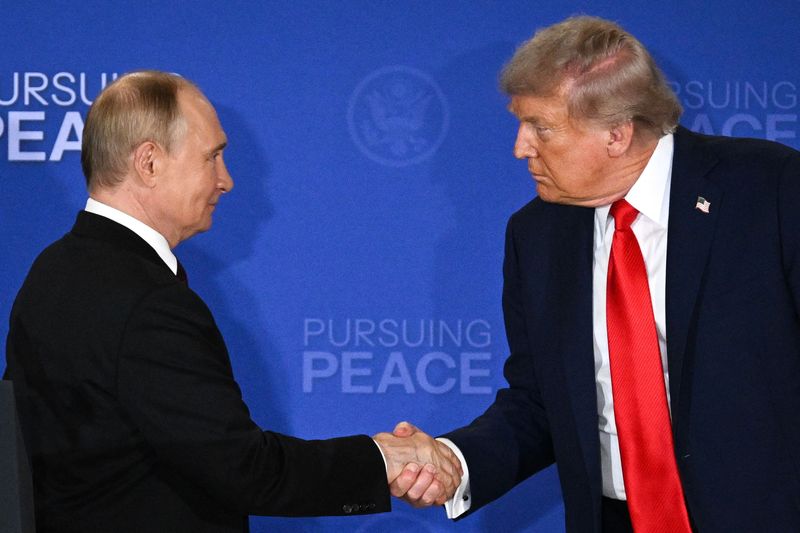
U.S. President Donald Trump said on the 9th (local time) that Russia would supply millions of tons of diesel to the global market.
Trump said he had spoken with Russian President Vladimir Putin that day and that they had agreed Russia would immediately export more than 300,000 tons of diesel, supply 500,000 tons to the global market next month, and then 1 million tons immediately after that.
In a post on his social media platform Truth Social, Trump said this and added that Russia would later release a further 3 million tons of diesel, taking into account the condition of its domestic refining industry.
Securing Russia’s pledge to resume diesel exports is tantamount to Trump declaring that he would effectively ban Ukraine from attacking Russian refineries.
Diesel prices around the world began to soar as Ukraine started attacking Russian refineries. Russia halted diesel exports to the global market after the refineries were destroyed and domestic supplies ran short.
The situation worsened with the Iran war that Trump launched on February 28. Iran cut off shipping through the Strait of Hormuz, blocking Gulf countries’ routes for refined-product exports. On top of that, Iran-backed Houthi rebels in Yemen took control of the Bab el-Mandeb Strait, which links the Red Sea and the Gulf of Aden, leaving Gulf countries virtually unable to move.
With diesel prices—a key fuel for U.S. industry and logistics—soaring ahead of the midterm elections on the 3rd of next month, Trump has come under considerable pressure.
In particular, as farmers, a key part of his support base, turned against Trump and the Republican Party over high diesel and fertilizer prices, he became alarmed and has been staking everything on expanding supply.
Trump has been trying desperately to bring down diesel prices, but the fundamentals of shrinking supply have prevented him from coming up with an effective solution. Stopping the war with Iran would be the most effective option, but he cannot choose it: ending the war without any gains and leaving Iran in control of the Strait of Hormuz could accelerate defections from his support base.
For that reason, last month he even floated a ban on diesel exports by U.S. refiners, but later abandoned the idea after industry warnings that it could end up doing nothing but driving up gasoline prices.
[email protected] Song Kyung-jae Reporter