Trump Announces Sanctions on ICC After Nobel Peace Prize Winner Is Named; Europe: “Let’s Resolve This Through Dialogue”
- Input
- 2026-10-10 03:30:06
- Updated
- 2026-10-10 03:30:06
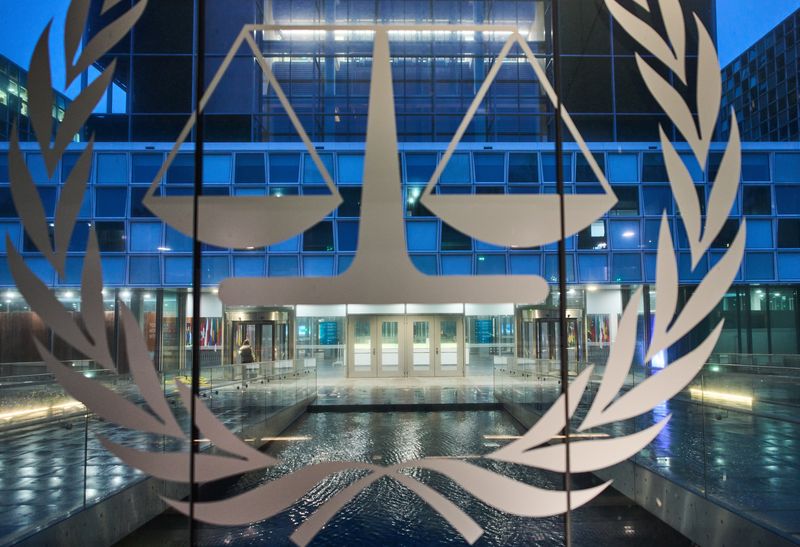
U.S. President Donald Trump expressed displeasure at the announcement of the Nobel Peace Prize winner on the 9th (local time). Not long ago, he argued that he deserved the Nobel Peace Prize, advancing the bizarre logic that tariffs had helped reduce wars around the world.
The Trump administration announced tough sanctions against the ICC that day. The measures came hours after Navi Pillay, 85, a former ICC judge and human rights law expert who is now an ad hoc judge at the International Court of Justice (ICJ), received the Nobel Peace Prize.
President Trump shared on his social media platform Truth Social a post disparaging the Nobel Committee and Pillay.
Europe expressed deep concern over U.S. sanctions against the ICC and proposed resolving the issue through dialogue. It also began preparing measures to protect the ICC.
ICC Assets Frozen
U.S. Secretary of State Marco Rubio announced sanctions against the ICC in a video message that day. All ICC assets under U.S. jurisdiction will be frozen, and U.S. companies and individuals must stop doing business with the ICC within six months.
Rubio called the ICC a “rogue court” and pressured allies hosting U.S. troops to join the sanctions.
He warned, “We expect allies that depend on U.S. military forces to join us in sanctioning this rogue court. Otherwise, the United States will continue its campaign to tear the ICC apart until Americans are no longer threatened.”
Did Missing Out on the Nobel Peace Prize Get Under His Skin?
After the winner was announced, Trump shared on Truth Social, without further explanation, a post sharply criticizing Judge Pillay, who is from South Africa, and the Nobel Committee, revealing his displeasure. The post described Pillay as “a person who openly hates the United States and Israel” and accused the Nobel Committee of tarnishing its own reputation.
Trump has continued to claim, from his first term into his second, that he should receive the Nobel Peace Prize. On the 7th, he also claimed to have resolved eight wars.
The U.S. administration says the ICC sanctions had been prepared in advance, but analysts say dissatisfaction over Pillay’s award may have been the trigger.
Europe: “Let’s Resolve This Through Dialogue” ... All-Out Effort to Defend the ICC
The European Union (EU) and major countries expressed concern over the ICC sanctions and began preparing countermeasures.
The European Commission (EC) said in a statement, “We will work with the States Parties to the Rome Statute to ensure the ICC operates effectively and to protect its independence.” It also noted the six-month grace period proposed by the United States and said “there is room for dialogue,” signaling that it would pursue negotiations.
Dutch Prime Minister Rob Jetten, whose country is home to the ICC headquarters, also urged dialogue, saying there was still time to talk before the sanctions were announced.
Measures to neutralize Trump’s sanctions are also being discussed in case the issue cannot be resolved through dialogue.
The six members of the Group of Seven (G7) other than the United States—Germany, France, Italy, the United Kingdom, Canada and Japan—along with Denmark, reaffirmed their firm support for the ICC in a joint statement by their foreign ministers.
European countries are also discussing practical legal measures to neutralize the U.S. sanctions. The foreign ministers of the Netherlands and Belgium called for the EU Blocking Statute to be activated, compelling companies in the bloc not to comply with sanctions imposed by third countries. The issue will be discussed at next week’s EU foreign ministers’ meeting.
ICC President Tomoko Akane, who is from Japan, also appealed for active support from member states in a video statement, saying, “The U.S. measures are an attack on the sovereign states that established the Court and cannot be tolerated.” The ICC has also activated its own contingency plans, including replacing its business software with the German public-sector program openDesk in anticipation of having to stop doing business with U.S. companies, and devising ways to circumvent financial sanctions.
[email protected] Song Gyeong-jae Reporter