The ‘Assassin(s)’ Controversy Through Foreign Media’s Eyes ... The Shadow of Censorship Behind K-Content’s Dazzling Achievements [Park Ji-hyun’s Art World]
- Input
- 2026-10-10 00:50:48
- Updated
- 2026-10-10 00:50:48
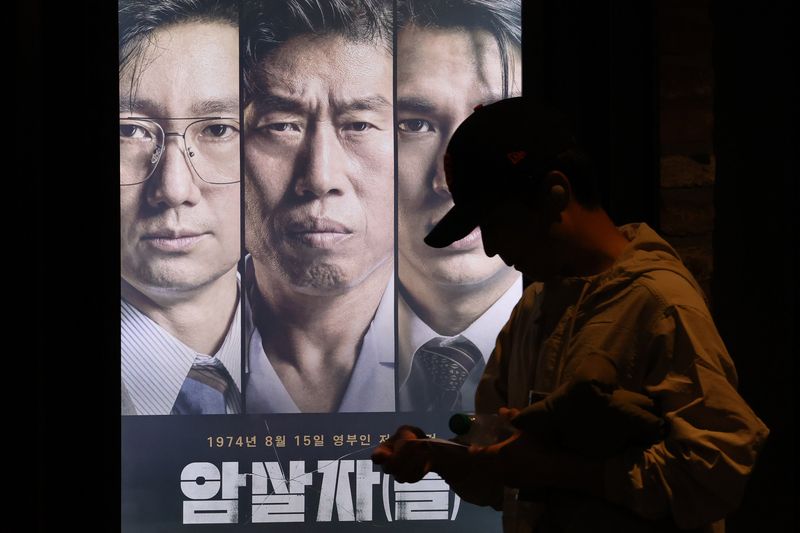
[Financial News] “The lead actor in a film that received a standing ovation at one of the world’s four major film festivals wears a police-issued smartwatch back home, while 109 opposition lawmakers send a letter calling for its screening at an overseas film festival to be canceled.”
In recent days, global media outlets have reported in unison on this contradictory scene in South Korea’s cultural world, led by U.S. entertainment trade publication Variety and including the United Kingdom’s The Independent, Hong Kong’s South China Morning Post (SCMP), Singapore’s The Straits Times and India’s Hindustan Times. In the home of K-Content, once acclaimed worldwide for its boldest and freest storytelling, the bizarre ideological vetting and political pressure surrounding a single film have sounded an alarm across the global film industry over a “crisis of creative freedom.” Even as director Hur Jin-ho’s film ‘Assassin(s)’ surpassed 2.5 million moviegoers on the 10th, 15 days after its release, and continued its box-office run, foreign media have been raising profound doubts about whether South Korean society has the cultural maturity to handle freedom of expression.
■ “Creative responsibility or political lynching?” ... The farce in South Korea as chronicled by global media
What has particularly appalled foreign media is that the attacks have gone beyond the film’s aesthetic merits to directly target the creators’ and actors’ personal lives and livelihoods. Reporting on the controversy, Variety noted that although the film presented an open-ended cinematic hypothesis without definitively identifying a specific power behind the events, conservative political circles in South Korea branded it “political agitation” and pressured an international film festival to withdraw it as the opening film—an unprecedented turn of events.
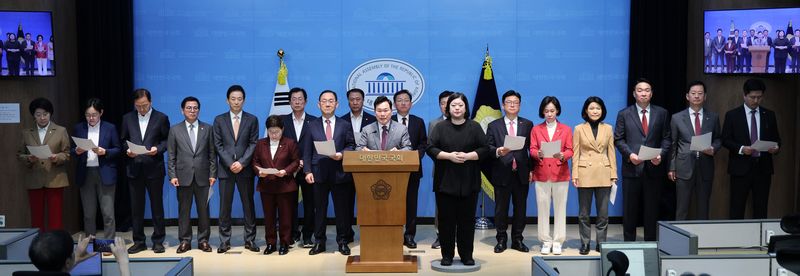
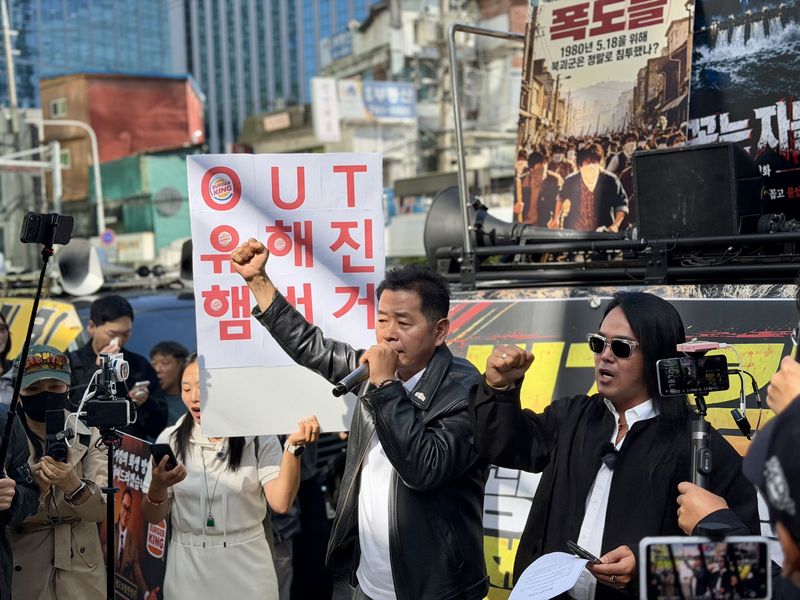
Hong Kong’s SCMP, Singapore’s CNA and The Straits Times, among others, reported in detail on the 9th that every lawmaker from the opposition People Power Party had sent a letter to the Singapore International Film Festival (SGIFF), and that some extremist groups were even pressuring the Singapore Embassy in South Korea and the Singapore Tourism Board. The political establishment’s crude attacks also made foreign headlines. On the 8th, opposition lawmaker Joo Jin-woo disclosed the details of actors’ customary contract arrangements, including box-office bonuses, and vilified them as “unjust profits.” He also made a personal attack on Yoo Hae-jin, mocking his appearance as having a “North Korean look.” The Independent reported that this political agitation escalated into far-right groups holding loudspeaker protests outside the actor’s home and demanding that he “also appear in right-wing films for political balance,” eventually prompting police to provide protection for the lead actor. The circumstances behind an emergency statement by 19 South Korean film organizations, which urged people not to use films as tools in political feuds or attack individual filmmakers, were laid bare to the world.
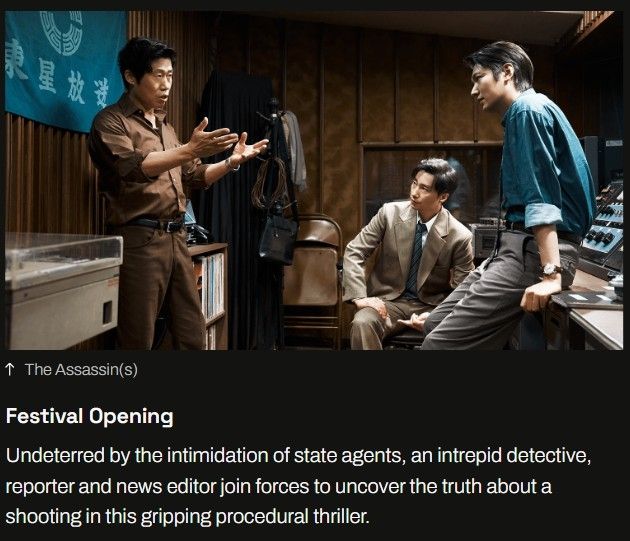
Yet the international film community stood firm on its principles in the face of state intervention. The Singapore International Film Festival declared, “We fully respect the creative vision of the filmmakers and will screen the film as our opening film as planned.” The festival made clear that it had independently curated the film based on its artistic achievement and contribution to Asian cinema, dismissing South Korean politicians’ attempt at cross-border censorship.
■ The clash between fiction and power, as proven by world cultural history
It is no coincidence that U.S. and European media, as well as India’s Hindustan Times, one of the country’s most influential major dailies, are taking a long view and analyzing South Korea’s current controversy in depth. Painful episodes in which works of art became targets of particular political forces or religious dogma and were subjected to violent repression have occurred around the world.
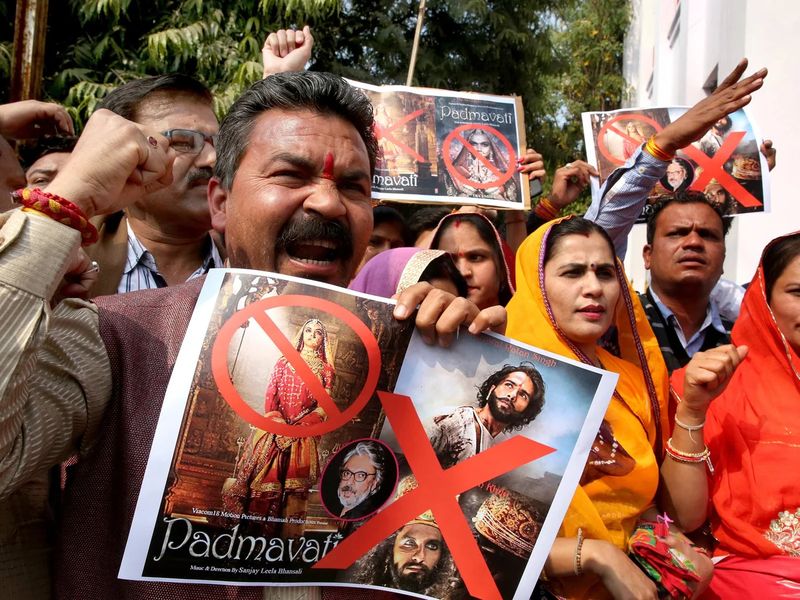
The most prominent overseas precedent is the controversy over director Sanjay Leela Bhansali’s ‘Padmaavat,’ which rocked India in 2018. The film, about a 14th-century Hindu queen, came under frenzied attack from right-wing extremist groups that accused it of distorting Hinduism’s purity and history. The film set was burned to the ground, huge bounties were placed on the director and lead actress Deepika Padukone, and politicians, mindful of their electoral prospects, banned screenings in four states. It is a mirror image of the current situation in South Korea, where people are using a fictional narrative as a pretext to threaten an actor’s safety and destroy their private life.
There have also been tragedies in which religious dogma led to terrorism. Martin Scorsese’s 1988 film ‘The Last Temptation of Christ’ drew fierce opposition from Christian fundamentalists for depicting Jesus’s human anguish. The backlash ultimately escalated into a firebomb attack by a far-right Catholic group on the Saint-Michel theater in Paris, France, leaving around 10 audience members seriously injured.
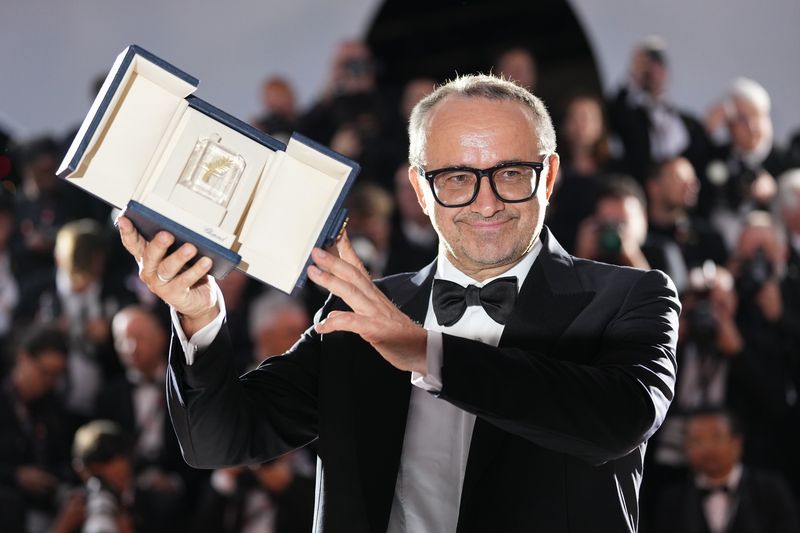
A leading example of political power seeking to directly control art is ‘Leviathan,’ a 2014 film by Russian director Andrey Zvyagintsev. The film won the Best Screenplay award at the Cannes Film Festival and received worldwide acclaim, but Russia’s Ministry of Culture and prominent politicians blocked it from securing screens and deprived audiences of their right to see it, calling it “anti-national trash that damages the country’s image and wastes taxpayers’ money.” The Russian government even added Zvyagintsev to its “foreign agent” list on the 18th of last month, branding him a “spy.” The move echoes the actions of South Korean opposition lawmakers, who took issue with investment from the Korea Fund of Funds and sent letters seeking to cancel screenings at overseas film festivals.
■ The screen should be a forum for reflection, not a courtroom for censorship
What stands out is that, even amid such a brutal storm of censorship and repression, it was ultimately the “work” that survived, not those in power. ‘Padmaavat’ rewrote the history of Indian box-office success despite the violence, while ‘Assassin(s)’ has won the firm support of 2.5 million moviegoers despite intense pressure at home and abroad.
The film ‘Assassin(s)’ is a work of fiction depicting the struggles of ordinary police officers and journalists who tried to pursue the truth even during the harsh Yushin era, set against historical gaps marked by a missing bullet and deeply puzzling investigative records. Historical debate over and criticism of fiction are freedoms of expression that must be fully protected. But the moment they leave the screen and turn into violence—mocking an actor’s appearance, threatening their private life and putting pressure on the international film community—they become “barbaric censorship,” not criticism.
The contradiction is plain: South Korea presents itself to the world as the most open cultural powerhouse, while at home it demands political approval and ideological vetting. Under the unsparing gaze of the world, South Korean society’s cultural inclusiveness and level of democracy are being put to the test.
[email protected] Park Ji-hyun Reporter