Jeju to pool power data for AI forecasting; integrated platform to be built in 2027
- Input
- 2026-10-09 10:29:13
- Updated
- 2026-10-09 10:29:13
【Financial News, Jeju—Reporter Jeong Yong-bok】 A project is underway to build an integrated platform that will bring together information on renewable energy generation and electricity consumption scattered across Jeju and analyze and forecast it using artificial intelligence (AI). The plan is to connect data from public institutions and energy companies and open it to residents and businesses as well, broadening the basis for using Jeju’s distributed energy industry.
According to Jeju Special Self-Governing Province on the 9th, the province held an interim briefing the previous day at KEPCO KDN’s Jeju Business Office on a consulting project to develop an Information Strategy Plan (ISP) for establishing an integrated distributed energy monitoring system, and unveiled the platform’s design direction.
Jeju Province plans to complete a final design covering the platform’s structure, functions and operating plans by the end of November, and begin building it in 2027. An ISP is a process for designing the data, functions and operating framework needed before an actual system is built.
The Ener Idea Co., Ltd. consortium commissioned for the project includes KEPCO KDN and TG Co., Ltd. The consortium proposed as key functions linking data from relevant institutions, establishing a standardized data model, building a data hub, integrated monitoring based on a geographic information system (GIS), and AI analysis and forecasting services.
The key is to connect power information managed separately by different institutions using common standards. The approach is to use GIS to view on a map the status of power generation facilities and electricity-consuming areas, and use AI to analyze and forecast changes in generation and demand.
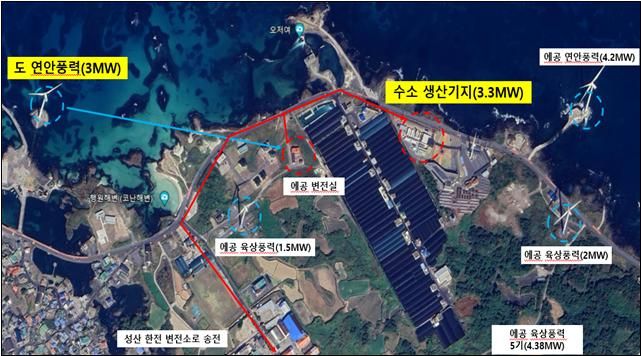
The province is also considering linking the platform with the 'Tamna Electricity Forecast System' being developed in Jeju. The system gives advance notice of periods when renewable energy generation is expected to exceed electricity demand, encouraging electricity use for purposes such as charging electric vehicles.
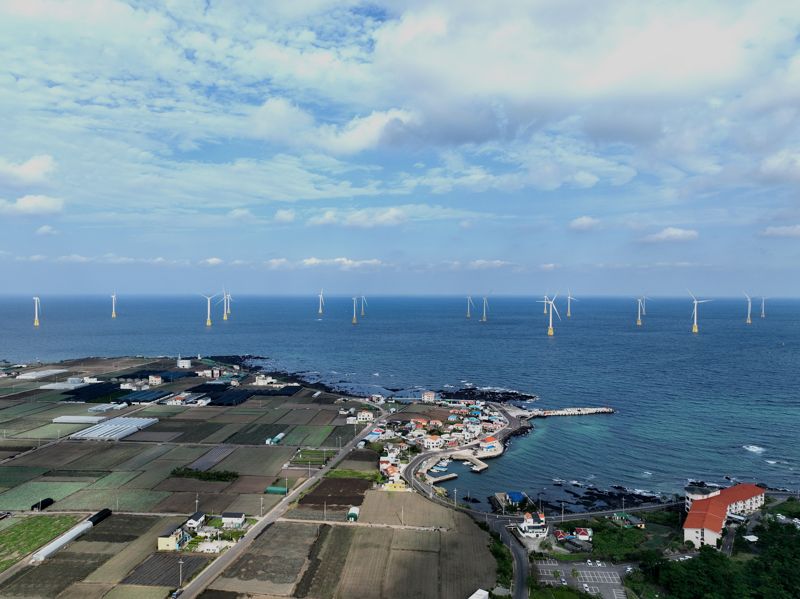
The project is drawing attention as a step toward establishing a foundation for connecting individual energy projects with power information, following Jeju’s designation as a specialized zone for distributed energy. In Jeju, output curtailment—limiting power generation—has been implemented when solar and wind power output is high or constraints arise in operating the power grid. Expanding distributed energy projects that consume or store locally generated electricity requires a system that can use generation and consumption information together.
Securing and connecting data is also a key challenge for new energy businesses, including bidirectional electric vehicle charging (V2G), energy storage systems (ESS) and electricity demand management. However, building the platform alone will not resolve output curtailment, and its actual effects will need to be assessed after it begins operating. The scope and manner of making data available to the private sector also remain unresolved. The final design process must specify the level of data access and the security and operational standards.
About 30 people attended the briefing that day, including representatives of relevant institutions such as Jeju Province, Korea Electric Power Corporation, the Korea Power Exchange and the Korea Energy Agency, as well as distributed energy operators in the province. The project team plans to complete the design by the end of November, incorporating the feedback received.
Jo Seon-hui, head of Jeju Province’s Climate and Energy Bureau, said, “This work of bringing together energy information scattered across the island is the starting point of the transition,” adding, “We will develop it into an open platform that residents and businesses can use directly to access real-time information.”
[email protected] Jeong Yong-bok Reporter