SK Energy overhauls pricing structure and internal controls as KFTC begins deliberations on alleged collusion
- Input
- 2026-10-08 17:18:36
- Updated
- 2026-10-08 17:18:36
[Financial News] SK Energy will improve its pricing structure and business practices and strengthen its internal controls related to fair trade as the Korea Fair Trade Commission (KFTC) begins deliberations on an alleged price-fixing case involving petroleum products. The company plans to set supply prices in advance and announce them weekly, end post-settlement, and tighten procedures for advance approval and subsequent reporting of business-related contacts with competitors. SK Energy said it would explain the facts and the company’s position during the KFTC’s deliberations.
On the 8th, SK Energy introduced a package of measures titled “Reforming the Petroleum Market Pricing Structure and Strengthening Internal Controls,” covering four areas: improving transparency in the petroleum market’s pricing structure and business practices; strengthening fair-trade and internal-control systems; enhancing mutually beneficial cooperation with petroleum distributors; and continuing its role in ensuring a stable energy supply.
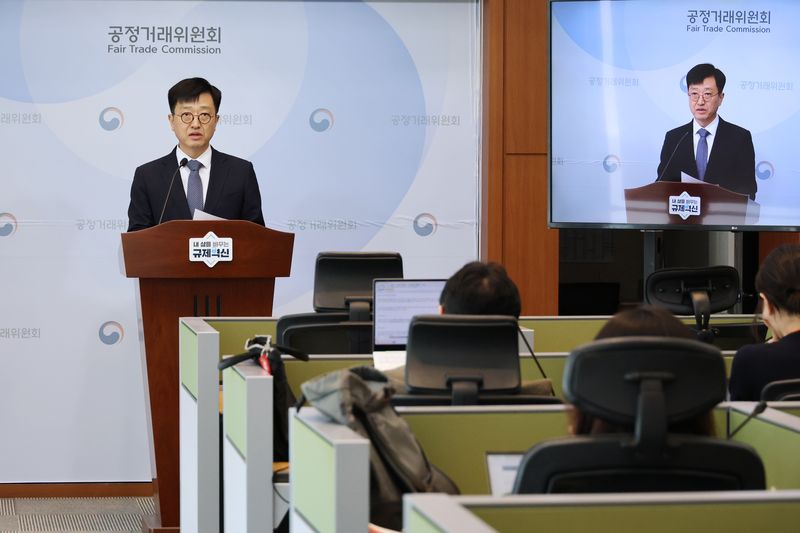
The measures were announced as deliberations got underway after the KFTC Secretariat submitted to the Commission and sent to both companies the examination report on the alleged collusion by SK Energy and Hyundai Oilbank involving gasoline, diesel and kerosene.
The KFTC examiner found that the two companies exchanged information related to selling prices—including payment prices, final confirmed prices and sales policies for gasoline, diesel and kerosene—for about four years, from February 2022, just before the Russia-Ukraine war, through March 2026, just after the U.S.-Iran war. The KFTC says the companies colluded on the payment price, which is the selling price, after the U.S.-Iran war. The related sales identified by the KFTC totaled approximately 44.1 trillion won.
However, this is the assessment of an examiner in the KFTC Secretariat; whether the law was violated and the level of any sanctions have not been determined. The examination report does not bind the Commission’s final decision, and the Commission will determine whether there was a violation and the level of any sanctions after deliberations. Respondents, including SK Energy, may submit written opinions within eight weeks of receiving the examination report.
SK Energy said, “As the relevant procedures are ongoing, we will faithfully and transparently explain the facts and the company’s position during the KFTC’s upcoming deliberations.”
The pricing-structure changes will be pursued based on a policy announced last June. At the time, SK Energy decided to set and announce supply prices weekly in advance and abolish post-settlement, which involves readjusting prices after transactions. The company is preparing to implement the change, including by building the necessary systems.
According to the KFTC, oil refiners have generally used post-settlement arrangements when supplying petroleum products to business partners: they first set a “payment price” and receive payment, then determine the final “confirmed price” early the following month and settle the difference. SK Energy intends to increase the transparency of supply prices and the predictability for business partners by setting prices in advance.
SK Energy will also strengthen its internal controls related to fair trade. It will expand tailored training, focusing on employees responsible for pricing and sales, and provide each employee with at least two hours of fair-trade training annually. It will continuously review how information is managed during price-setting and strengthen internal cross-checks of major decisions.
The company will tighten procedures for advance approval, subsequent reporting and monitoring of business-related contacts with competitors. It plans to apply stricter internal standards to conduct that poses fair-trade risks, such as exchanging pricing or sales information. It will also conduct an annual self-review and external verification of its fair-trade practices and internal controls overall.
SK Energy will also review existing business practices, including full-volume purchase agreements. The company says it will improve relevant policies to give distributors, such as gas stations, greater choice and predictability, and cooperate with investigations and follow-up discussions by relevant authorities.
The company will continue measures to stabilize the supply chain, including diversifying its sources of crude oil imports and investing in facilities. It aims to maintain a stable supply of petroleum products in South Korea amid growing volatility in international energy markets and supply chains.
SK Energy President and CEO Kim Jong-hwa said, “Above all, it is important to meet society’s expectations for transparency in pricing and transactions, fair competition and compliance in business management,” adding, “With these measures as a starting point, we will bring about changes and improvements that the market and customers can see and feel.”
Meanwhile, HD Hyundai Oilbank said it “takes seriously the submission of the examination report to the Commission” in connection with the KFTC’s collusion allegations, but added, “We will fully explain the facts and legal issues during the deliberations.”
[email protected] Kim Mi-hee Reporter