Which institution can’t pay its staff but gives its director a 150 million won salary, a corporate card and housing costs?
- Input
- 2026-10-08 16:58:23
- Updated
- 2026-10-08 16:58:23
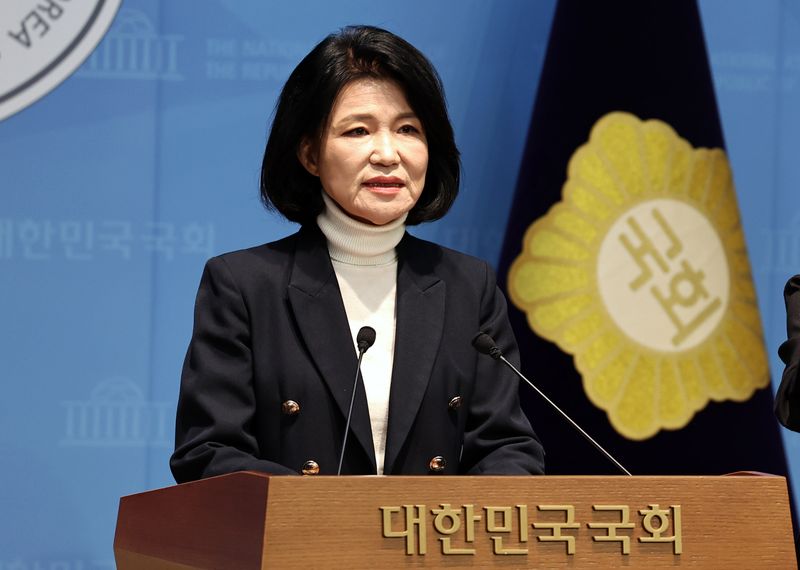
[Financial News] The Nuclear Industry Policy Research Institute is in such financial difficulty that it is struggling to pay staff wages, yet its director has been receiving lavish treatment, including an annual salary of about 150 million won, housing costs and a corporate card.
Controversy over the institute’s lax management has continued, with a recent dispute over an audit trip to the United States Nuclear Regulatory Commission (NRC). Meanwhile, Korea Hydro & Nuclear Power (KHNP) continues to provide contributions to the institute, prompting calls for thorough scrutiny and oversight.
According to the office of People Power Party lawmaker Lee Jin-sook on the 8th, the institute, an incorporated foundation, has faced financial difficulties since its early days, disrupting staff wage payments and even borrowing external funds to secure operating capital.
Lee’s office raised serious questions about the process by which the institute borrowed from external sources, including the loan terms, who made the borrowing decision and whether the board approved it.
In particular, given that the director-general of the Nuclear Industry Policy Bureau at the ministry overseeing the institute at the time served on its board, questions have been raised about when the Ministry of Climate, Energy and Environment became aware of the institute’s financial difficulties and external borrowing, and what action it took afterward.
Lee’s office also said that even as the institute struggled to pay staff wages, its director received lavish treatment, including an annual salary of about 150 million won, housing costs and a corporate card.
According to Lee’s office, the director signed a contract on the condition that the director secure at least 1.5 billion won a year in contributions, donations and other funding, but failed to meet that management goal, resulting in unpaid staff wages and external borrowing.
In its 2026 business plan, the institute identified “securing a stable budget and operating funds” as a key goal, planned to expand contributions, commissioned projects and its membership, and promised to hire four new staff and offer “the highest level of compensation and exceptional research incentives.”
Lee’s office stressed, “Although the institute’s operations are faltering because it has failed to meet its funding obligations, its director has enjoyed lavish treatment without taking any responsibility. Even so, if wage-payment disruptions and external borrowing occurred irresponsibly in the course of actual operations, we must examine whether the original management plan was carried out and hold the director strictly accountable for the institute’s management.”
Lee Jin-sook also said, “The most serious problem is that KHNP provides annual contributions, without any vetting, to a poorly managed institution that cannot even pay its staff on time and is borrowing external funds. We must also scrutinize whether it is appropriate to continue providing the director with the perks of a high salary, housing costs and a corporate card while leaving staff wages unpaid.”
[email protected] Kim Yun-ho, Kim Hak-jae Reporter