DTS expands into AI data center cooling, accelerates growth through IPO
- Input
- 2026-10-08 15:36:33
- Updated
- 2026-10-08 15:36:33
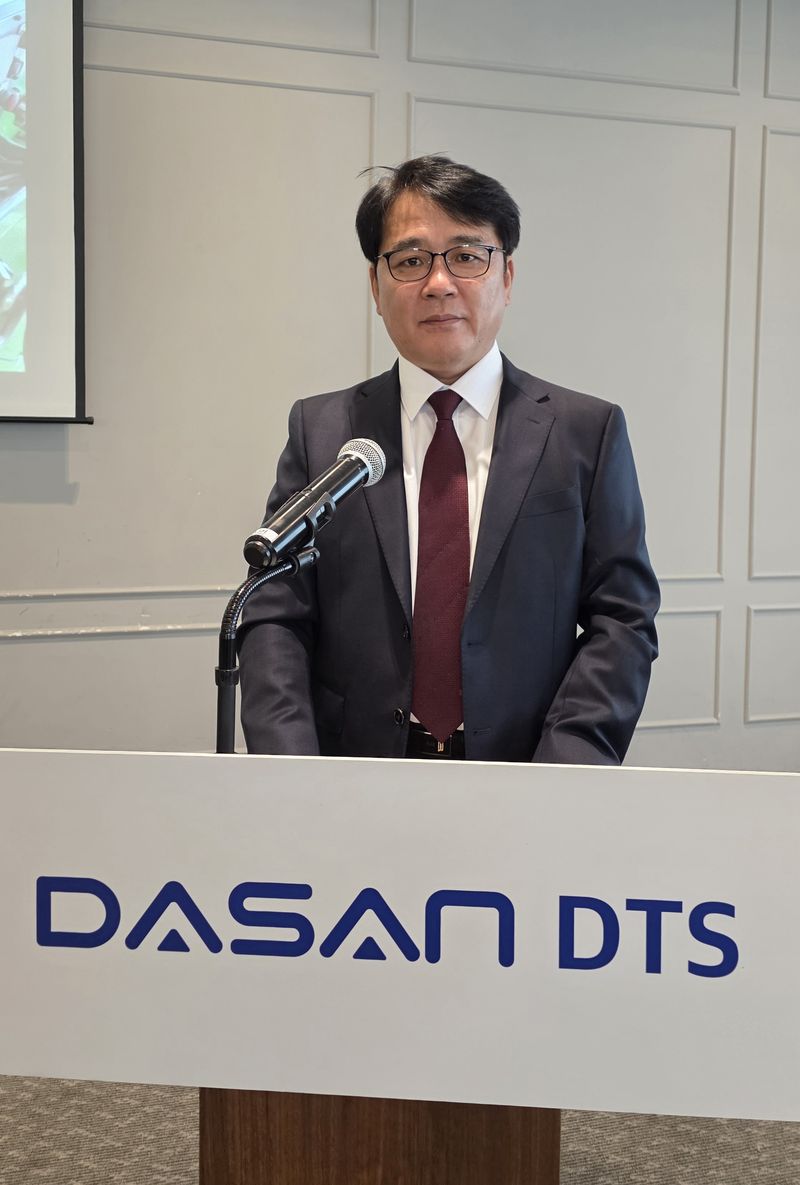
Kim Jung-il, CEO of DTS, made the remarks at a KOSDAQ IPO briefing in Seoul’s Yeouido district on the 8th, saying the company would invest in AI data center businesses in addition to its core business of cooling for energy plants.
Founded in 2000, DTS specializes in developing cooling solutions for large energy plants. Unlike conventional water-cooled systems, it uses air-cooling technology that harnesses airflow. Recently, it has been expanding its applications to AI data centers and small modular reactors (SMRs).
Its financial performance is also growing rapidly. Revenue in the first half of this year totaled 79.1 billion won, while operating profit reached 15 billion won, up 26.2% and 42.9%, respectively, from the same period a year earlier. Orders on hand at the end of the first half stood at 129.3 billion won.
The rapid growth in AI data centers is driving up power consumption, raising expectations for future business performance. According to the International Energy Agency (IEA), electricity consumption by data centers worldwide is expected to at least double, from about 415 TWh in 2024 to about 945 TWh in 2030.
Following its listing, the company plans to increase orders for its core business in line with expansions of LNG facilities and increased investment in power generation infrastructure. It plans to broaden local EPC partnerships using its Middle East branch as a hub, and diversify its growth drivers into cooling for AI data centers and organic Rankine cycle (ORC) waste-heat power generation.
In the ORC field, which converts low- and medium-temperature heat sources into electricity, the company has secured a commercial supply contract for a system in the 1.5-MW class. It is also pursuing plans to manufacture a 2-MW-class ORC turbine domestically in cooperation with French energy company Hitlift. The company plans to continue pursuing orders for carbon capture, utilization and storage (CCUS) and follow-on hydrogen projects by leveraging its existing EPC customer network.
Meanwhile, after financial authorities established criteria that generally prohibit dual listings but allow exceptions, DTS became one of the first companies to pass a preliminary listing review as the “No. 1 dual-listing exception” company, alongside Duksan NePCore.
[email protected] Lee Ju-mi Reporter