[Exclusive] PASS ID verification service embroiled in abolition controversy told to change its name and interface as government turns up pressure
- Input
- 2026-10-08 14:50:30
- Updated
- 2026-10-08 14:50:30
Telecom companies have already changed the service’s name once at the government’s request, leaving them uneasy about further demands.
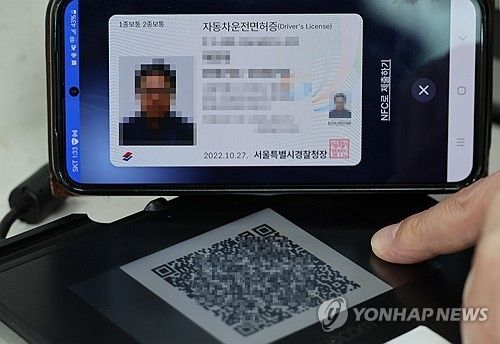
Financial News reported on the 8th that the Ministry of the Interior and Safety held a meeting last month with the National Police Agency and executives from the three telecom carriers, including SK Telecom, KT and LG Uplus, to discuss plans to revamp the PASS ID verification service. At the meeting, the ministry pointed out that although the government’s mobile ID and the PASS ID verification service are different services, their similar names and screen layouts could lead users to mistake them for the same ID.
The ministry therefore asked that the term “ID” not be used in the PASS service’s name and suggested considering UI improvements to help distinguish the two services.
At the ministry’s request, the telecom companies had already changed the service’s name from “Mobile ID” to “PASS ID” around June to August this year. In effect, they have now been asked to stop using “ID” as well, after being told to drop “Mobile.”
The telecom industry is feeling considerable pressure from the repeated demands to change the name. One industry source said, “In the first half of this year, at the ministry’s request, we already changed the name from PASS Mobile ID to PASS ID once. The industry was the first to use the term ‘mobile ID’ in the first place, and we’re very concerned that changing the name again could further confuse around 13 million users.”
According to industry sources, 13.8 million people use the PASS ID verification service. Changing a name that has already been changed once could confuse users. The telecom companies are particularly concerned that removing the word “ID” would make it difficult to clearly communicate the service’s purpose.
The UI improvement discussions also included measures to encourage QR code verification at the point of use. There are concerns that businesses requiring identity checks, such as bars and convenience stores, continue to rely on visually checking the screen without verifying the QR code. A proposal was therefore made to improve the PASS app’s UI so that identity verification could only be completed after the QR code is scanned directly.
The ministry is also reportedly considering rules that would make it possible to punish the distribution and promotion of illegal ID apps. Since apps that create images of forged IDs are circulating online, the aim is to block them not only at the point of use but also at the distribution and promotion stages. The ministry plans to set out specific improvements to the PASS ID verification service based on the findings of a commissioned study due at the end of the year.
[email protected] Yoon Hong-jip, Kim Ye-ji Reporter