Robot and smart-glasses sales double during China's National Day holiday
- Input
- 2026-10-08 11:59:07
- Updated
- 2026-10-08 11:59:07
[Financial News] Sales of high-tech products, including robots and smart glasses, on major platforms during China's National Day holiday (the 1st to the 7th) more than doubled compared with the same period last year.
According to figures compiled by China's Ministry of Commerce on the 8th, sales of embodied AI robots on major platforms from the 1st to the 6th were up 130% year over year. Smart-glasses sales rose 100%. That amounted to 2.3 times and twice the levels, respectively, seen during the same period last year.
Demand for eco-friendly and health-related products also increased. Sales of water-saving devices rose 18.1%, exoskeleton assistive devices 12.8%, outdoor sports equipment 10.4%, and energy-efficiency Grade 1 dishwashers 8.4%.
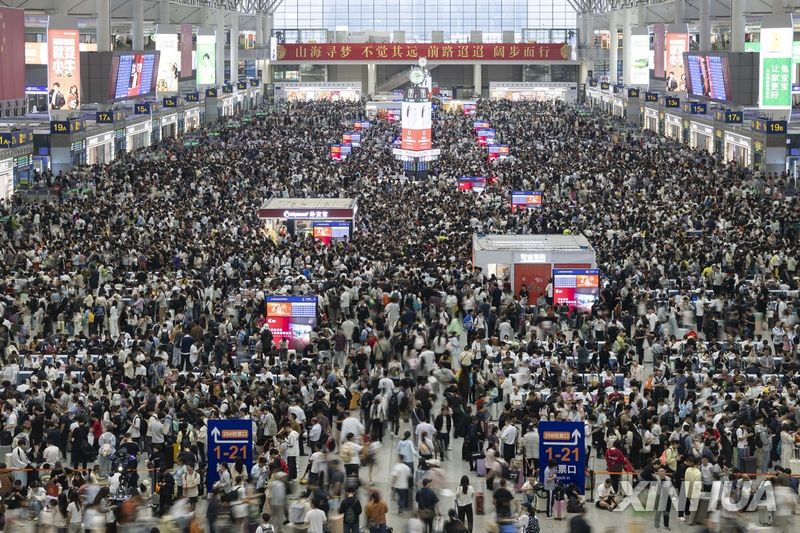
The cumulative number of interregional trips during the same period was estimated at 2.144 billion. That works out to an average of 306 million trips a day. The daily average was up 0.7% from the average during last year's eight-day Mid-Autumn Festival and National Day holiday.
China's state-run CCTV and Xinhua News Agency reported this on the day, citing data from the country's Ministry of Transport, and said the cumulative number of trips by road exceeded 1.96 billion. Private cars accounted for about 80% of trips, while traffic by new-energy vehicles rose 35% year over year.
Daily rail passenger traffic exceeded 20 million for three consecutive days. High-speed rail lines that opened just before the holiday also boosted tourism demand in areas they serve. Air passenger traffic averaged about 2.4 million a day.
The number of visitors to and sales at 78 pedestrian-only streets and commercial districts monitored by the Ministry of Commerce rose 2.5% and 4.7%, respectively, year over year. The ministry said, “The consumer market during the National Day holiday remained generally stable, while supplies of daily necessities were ample and prices were stable.”
[email protected] Lee Seok-woo, International Affairs Correspondent Reporter