WHO: “Difficult to Verify Allegations of Plague in Russia” ... Bioweapons Cannot Be Ruled Out
- Input
- 2026-10-08 13:40:13
- Updated
- 2026-10-08 13:40:13
[Financial News] The World Health Organization (WHO) said that a lack of information made it difficult to assess allegations of a plague leak that began in Russia last month. Former U.S. officials warned that the situation could be serious, contrary to remarks by U.S. President Donald Trump.
Russia Denies Reports of Plague Spread
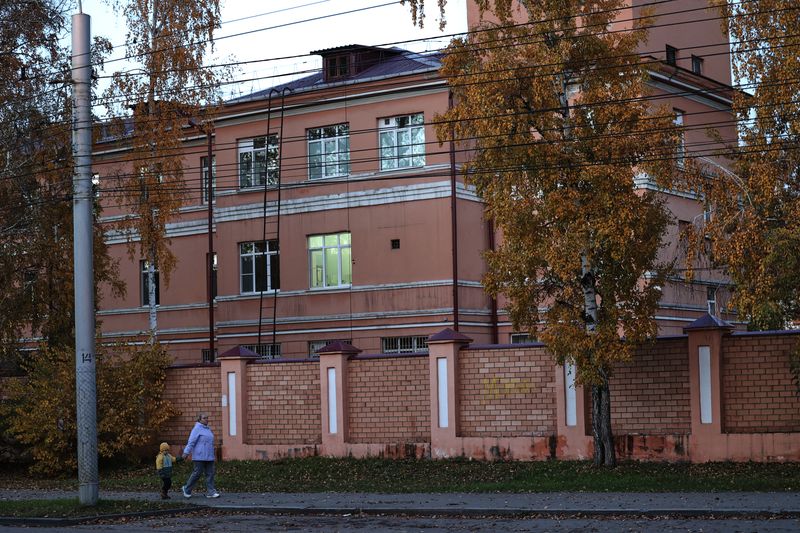
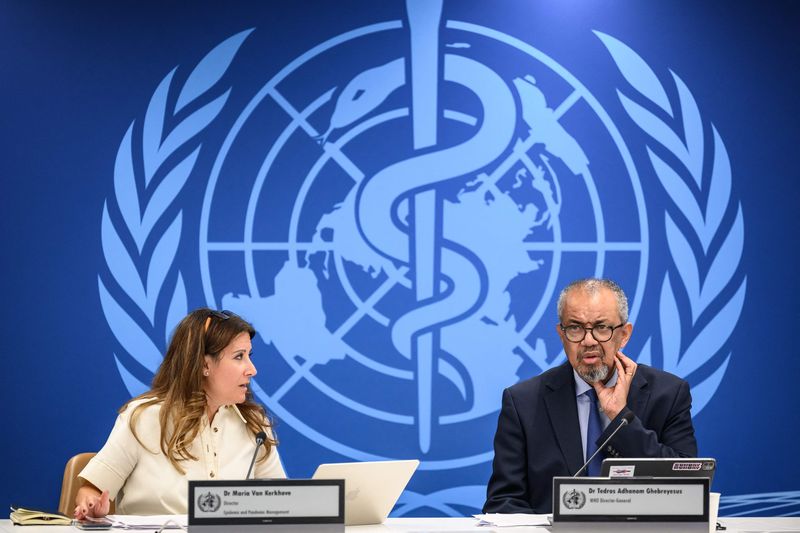
According to the British daily The Guardian, WHO Director-General Tedros Adhanom Ghebreyesus said in a statement on the 7th (local time), “We do not yet have a complete picture of this incident. At the same time, we are not in a position to assess the overall risk.” He said, “Timely, complete and transparent information sharing is essential to accurately assess potential public health threats and establish the facts behind conflicting reports.” He added, “We have requested answers from the Russian side regarding the various allegations and are waiting for them.”On the 5th, Russian media outlets, including the TASS news agency, reported that Darya Shipilova, a 28-year-old female researcher at the Irkutsk Siberian and Far Eastern Plague Control Research Institute in Shelekhov, Irkutsk Oblast, Russia, was admitted to hospital on the 29th of last month with severe pneumonia and died on the 2nd. Local media alleged that Shipilova became infected with plague after an accident on the 25th of last month in which she broke a test tube containing the plague pathogen at the institute in question.
Russia’s Federal Service for Surveillance on Consumer Rights Protection and Human Wellbeing said Shipilova died after being diagnosed with “pneumonia of unknown cause.” Russian health authorities subsequently classified 197 people who had been in contact with Shipilova as requiring observation and isolated 189 of them in hospitals and other facilities. On the 6th, the Russian government officially responded to WHO inquiries about plague, saying that all those tested had received negative results and that there was no evidence of a plague outbreak. In response, when reporters asked Maria Van Kerkhove, WHO’s director of epidemic response, about the matter, she asked, if Shipilova had not died of plague, “What did she die of?” On the 6th, the British outlet the Daily Mail claimed that Russian media had reported a second plague death in Irkutsk Oblast, but that the articles had been deleted.
On the 7th, Kremlin spokesman Dmitry Peskov told reporters that “most media reports about the current situation are false information,” emphasizing that only official announcements from the authorities were true. In a statement on the 6th, Russia’s Federal Service for Surveillance on Consumer Rights Protection and Human Wellbeing claimed that there had been no plague cases among institute personnel in the past 10 days.
Bioweapon Possibility Cannot Be Ruled Out
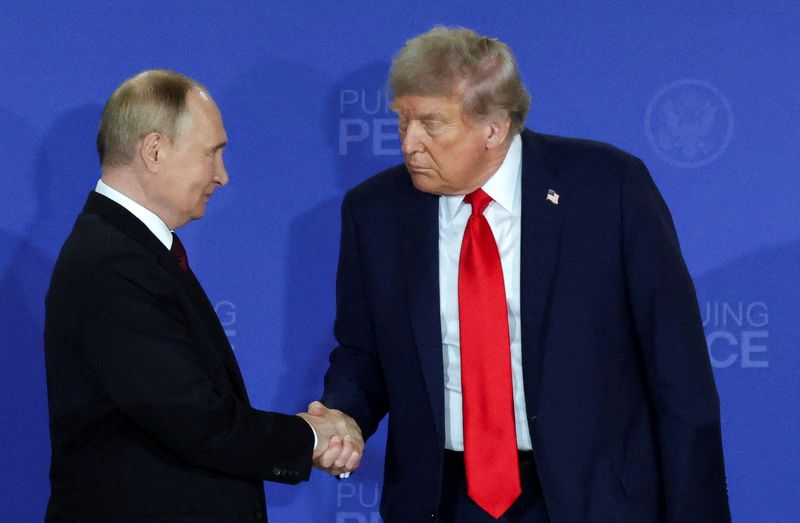
At a press conference on the 7th, Trump was asked whether the plague reportedly leaked from Russia was a biological weapon. “We don’t think so,” he replied, adding, “We’ll know soon.” He continued, “They’re saying the situation is completely under control,” and said, “So I hope that’s not the case.” Asked whether Russia’s approach was similar to China’s at the start of the spread of COVID-19 in 2020, Trump said, “China didn’t say much, and Russia isn’t saying much either. But they’re really saying that the situation is under control.” Asked whether he had spoken with Russian President Vladimir Putin, Trump said, “Today is Putin’s birthday. I think you should congratulate him on that, too,” adding, “A call is scheduled.”According to Fox News on the 7th, Marshall Billingslea, who served as special presidential envoy for arms control during Trump’s first administration, warned in a post on X (formerly Twitter), “This incident may not be just plague. It could be much more deadly.” He raised the possibility that the incident was linked to classified biological and chemical weapons developed during the Soviet era, including plague. Billingslea cited testimony by Ken Alibek, who had been second-in-command of the Soviet biological weapons program, from the time Billingslea worked on the U.S. Senate Foreign Relations Committee in the 1990s. Alibek, whose birth name was Kanatjan Alibekov, defected to the United States in 1992. He previously revealed that the Soviet Union had developed genetically engineered plague bacteria resistant to antibiotics, as well as “genetically recombined pathogens” combining two or more pathogens. Alibek had earlier identified the institute where the current incident occurred as one of the key hubs of a biological weapons development program.
Professor Kevin Esvelt of the Massachusetts Institute of Technology (MIT) said, “Genetic analysis technology can quickly identify the pathogen responsible. It is highly unusual for a healthy 28-year-old to die from an unknown pathogen, and for Russia to claim that it has been unable to determine the cause.” A U.S. State Department official also said of the incident, “Russia continues to maintain an aggressive biological weapons program and violate the Biological Weapons Convention (BWC).” He added, “Since the specific facts of the Irkutsk incident have not been confirmed, I will refrain from speculation, but transparent disclosure of information by the Russian authorities is essential.”