Exclude presidential investigations, expand the scope to “all crimes”? ... “Clash” over CIO overhaul
- Input
- 2026-10-08 15:33:50
- Updated
- 2026-10-08 15:33:50
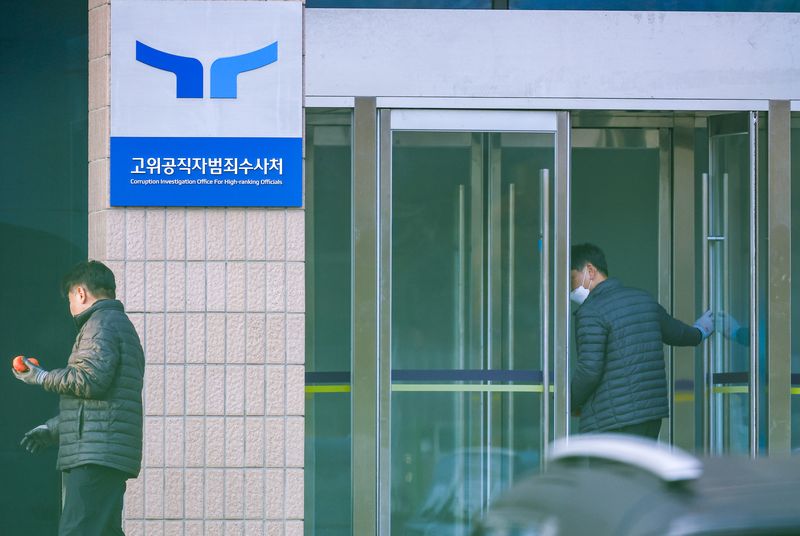
[Financial News] Debate has arisen after reports that the ruling DPK is considering an overhaul of the CIO that would strip it of its authority to investigate the president and National Assembly members while expanding its authority to investigate judicial and investigative agencies. The CIO agrees with expanding the range of people subject to investigation but says it should retain its existing investigative powers, revealing differences over the targets and scope of investigations.
According to legal circles on the 8th, a plan to overhaul the CIO, being advanced mainly by DPK members of the National Assembly’s Legislation and Judiciary Committee, would exclude high-ranking political and administrative officials, including the president and National Assembly members, from its investigative remit and focus on investigating personnel at judicial and investigative agencies.
Instead, the plan under consideration would expand the ranks of police and Serious Crime Investigation Agency investigators who can be investigated, and broaden the scope of investigations—which current law limits to specified crimes—to include ordinary crimes. However, it is not yet a finalized party position or a policy in effect.
The CIO opposed this direction for the overhaul and called for both retaining its existing investigative powers and expanding the organization.
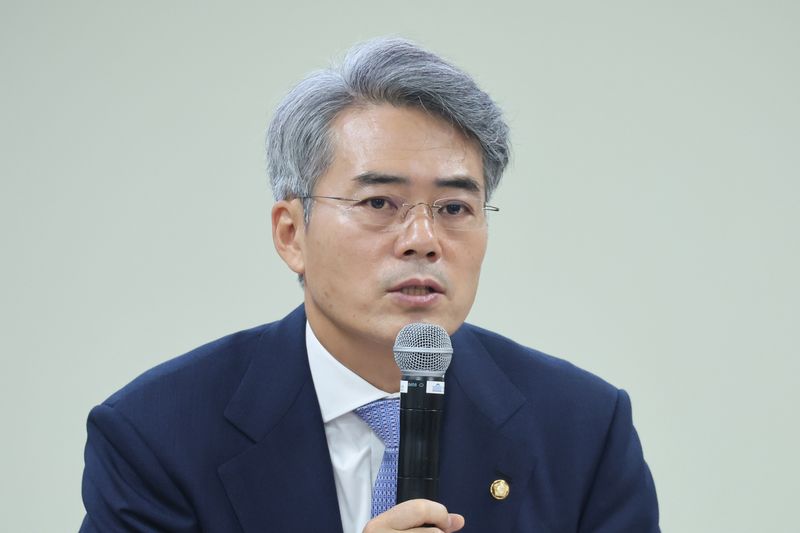
At a debate titled “In an Era of Separating Investigation and Indictment: A Comprehensive Overhaul of the CIO’s Functions,” held at the National Assembly on the 7th and hosted by DPK lawmakers Kim Ki-pyo, Kim Nam-hee, Kim Dong-a, Kim Han-gyu and Park Kyun-taek, Park Sang-hyun, the CIO’s director of investigation planning, questioned the need to exclude the president and National Assembly members from the targets of investigation.
“The CIO’s investigative authority is not exclusive; it is concurrent,” Park said. The explanation was that including the president and National Assembly members among the CIO’s investigative targets does not prevent other investigative agencies from investigating them. The argument is that reducing the CIO’s investigative remit would not expand other agencies’ authority; it could merely remove a channel through which an independent agency can investigate those cases.
The alternative proposed by the CIO is to retain its existing authority to investigate high-ranking public officials while expanding its oversight of judicial and investigative agencies. It supports including senior superintendents serving as police station chiefs, department-head-level officials, and grade 4 or higher officials at the Serious Crime Investigation Agency among the targets of investigation, but says there is no need to reduce its existing investigative targets to do so.
In particular, the proposal to expand the scope of investigations to “all crimes,” including ordinary crimes, was described as hinging on the establishment of specific criteria for its application.
Expanding the organization and its staffing has also emerged as a major issue. The CIO called for abolishing fixed terms for prosecutors or extending their terms, removing limits on reappointment, and abolishing fixed terms and rank restrictions for investigators. The aim is to provide job security so they can build investigative experience and prevent the loss of specialized personnel.
Above all, the discussion must address both whether the CIO needs to retain its existing authority to investigate high-ranking public officials while strengthening its oversight of judicial and investigative agencies, and how to secure the organization and personnel needed to handle an expanded investigative remit.
“What is needed now is not to reduce the agency’s responsibilities, but to improve the system so it can properly carry out the responsibilities entrusted to it,” Park emphasized.
[email protected] Yoo Seon-jun, Choi Eun-sol Reporter