'Took a tumble in detention': Can the state recover the 39 million won it paid for Choi Seo-won's hospital bills?
- Input
- 2026-10-08 09:54:57
- Updated
- 2026-10-08 09:54:57
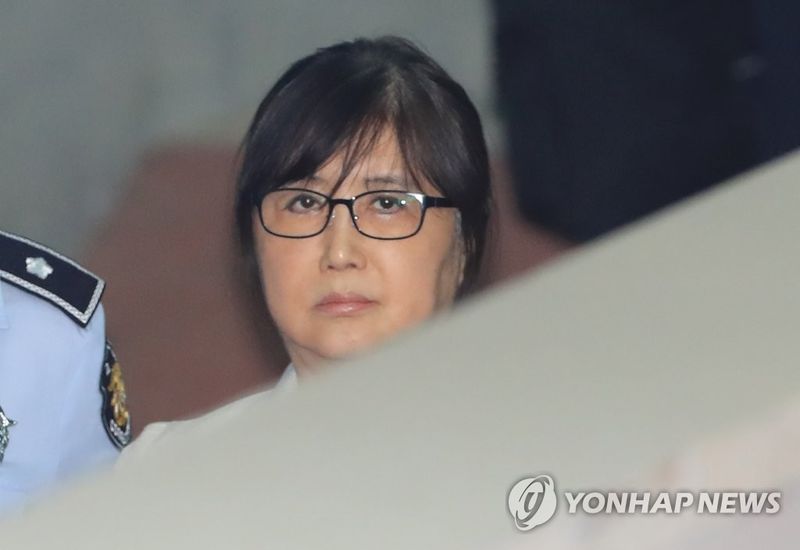
[Financial News] Correctional authorities have been unable to recover for more than five years the over 39 million won they paid on behalf of Choi Seo-won, a key figure in the state affairs meddling scandal (formerly known as Choi Soon-sil). The first-instance ruling in the state's lawsuit seeking reimbursement from Choi is expected on the 15th.
According to documents submitted by the Ministry of Justice to the office of Democratic Party lawmaker Kim Yong-min on the 8th, the Seoul Eastern Detention Center paid 39.27 million won on Choi's behalf on October 23, 2020, for treatment at an outside medical facility.
Choi was in custody at the Seoul Eastern Detention Center in July 2019 when she slipped and fell in a bathhouse. She later underwent shoulder surgery at Gangdong Sacred Heart Hospital between May and July 2020.
Afterward, citing financial reasons, Choi did not pay her hospitalization costs, and correctional authorities paid the hospital bill on her behalf on October 23 of the same year.
The Seoul Eastern Detention Center notified Choi on the 28th of the same month that she had to pay the treatment costs, but it appears that no significant follow-up steps were taken for nearly five years.
It was not until November last year that correctional authorities learned they had paid Choi's treatment costs on her behalf, and they instructed the Seoul Eastern Detention Center to file a lawsuit seeking reimbursement.
The Seoul Eastern Detention Center filed a lawsuit against Choi seeking reimbursement on the 25th of the same month.
The key issue is expected to be whether the statute of limitations has expired.
Under the National Finance Act, the state's monetary claims lapse if they are not exercised for five years. However, a payment notice issued by the state in accordance with regulations is considered to have the effect of interrupting the statute of limitations.
Choi argues that the statute of limitations has expired because the lawsuit seeking reimbursement was filed more than five years after the date of the payment on her behalf, October 23, 2020.
The state, however, takes the position that the notice demanding payment of hospital treatment costs, which Choi received on October 28, 2020, qualifies as a payment notice under the National Finance Act. It therefore says the statute of limitations began to run on November 28, 2020, the day after the 30-day payment deadline expired, and has not expired.
The parties also disagree over who should bear the treatment costs.
Choi's side says she never expressed an intention to pay for treatment out of pocket, and that the state is obligated under the Inmate Medical Care Management Guidelines to ensure inmates receive appropriate treatment.
The state, however, argues that not all treatment provided during incarceration is covered by public funds and that Choi's intention to pay for treatment herself was confirmed.
Presiding Judge Kim Do-yo of Civil Division 210 at Seoul Central District Court will hold a hearing at 2 p.m. on the 15th to deliver a ruling in the state's lawsuit seeking reimbursement from Choi.
[email protected] An Ga-eul Reporter