Daejeon’s Dong, Jung and Daedeok districts leave population-decline areas of concern and are designated “Population Vitality+” areas
- Input
- 2026-10-08 09:36:01
- Updated
- 2026-10-08 09:36:01
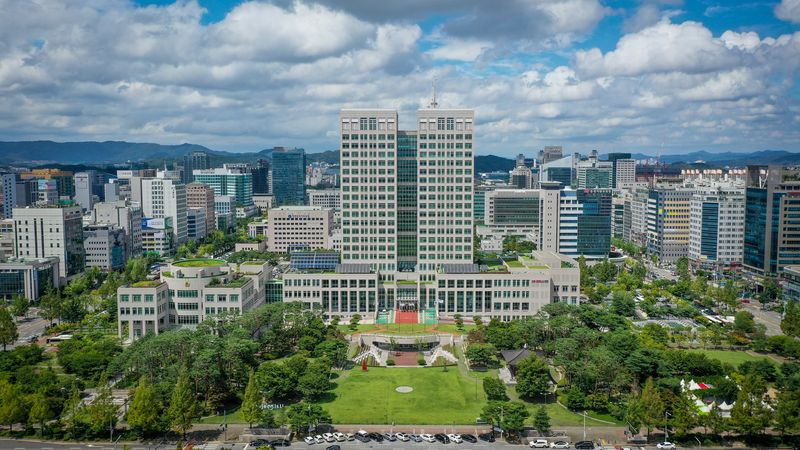
Daejeon Metropolitan City said on the 8th that Dong-gu, Jung-gu and Daedeok District had been designated as Population Vitality+ areas in the population-area redesignation notice announced by the Ministry of the Interior and Safety.
Five years after designating 89 population-decline areas and 18 areas of concern for population decline in 2021, the Ministry of the Interior and Safety issued a notice redesignating them. In addition to the existing indicators—the average annual population change rate, the proportions of older people and children, the crude birth rate, the net migration rate of young people, and fiscal self-reliance—the ministry added indicators reflecting regional vitality, including the urbanization rate, number of employed people and living population, calculating the Population Vitality Index from a total of nine indicators.
Under the new system introduced in this redesignation, areas whose population conditions have improved and that have left the population-decline category, including areas of concern, are classified as Population Vitality+ areas and continue to receive existing administrative and financial support for five years, through 2031. The measure takes into account the risk that abruptly ending support solely because indicators have improved could derail ongoing projects or stall the recovery.
As a result, Daejeon’s three autonomous districts have been removed from the list of areas of concern for population decline, but will be able to continue receiving government support at previous levels, including the Local Extinction Response Fund, for the next five years.
Daejeon Metropolitan City views the result as an achievement reflecting improved population conditions in the old downtown and plans to use the next five years as a soft-landing period to build self-sustaining vitality. It will reflect the result in the “2027–2031 Basic Plan” now being developed with the autonomous districts, and shift projects funded by the Local Extinction Response Fund away from simply expanding facilities toward resident-facing initiatives that connect with local content.
Oh Su-geun, head of Daejeon Metropolitan City’s Civic and Social Affairs Bureau, said, “It is a meaningful change that the three old-downtown districts have left the list of areas of concern for population decline,” adding, “We will use the support available over the next five years to turn the recovery trend into sustainable growth.”
Meanwhile, the main factors behind the improved indicators are thought to include active urban renewal projects, such as redevelopment and reconstruction, and the expansion of public transportation infrastructure in the old downtown in recent years. The population inflow has grown as residents have begun moving into large new apartment complexes in areas including Shinhung-dong and Gao-dong in Dong-gu, and Mok-dong and Seonhwa-dong in Jung-gu. Expectations of better transport links, including the Chungcheong regional railway and the planned tram for Daejeon Metro Line 2, are also believed to have attracted young people and newlywed couples.
[email protected] Kim Won-jun Reporter