‘Scandal’: Son Ye-jin’s transformation of the ‘Nation’s First Love’ ... ‘I envisioned the character as an ambitious middle-aged man’
- Input
- 2026-10-08 11:39:26
- Updated
- 2026-10-08 11:39:26
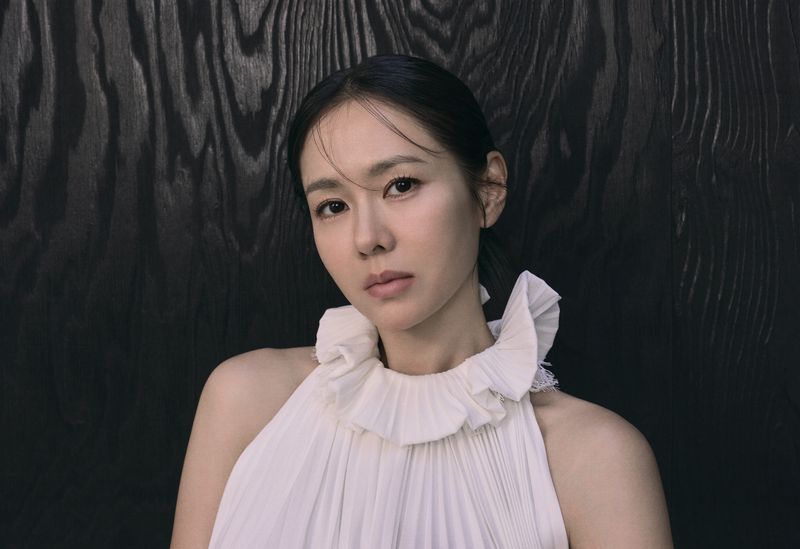
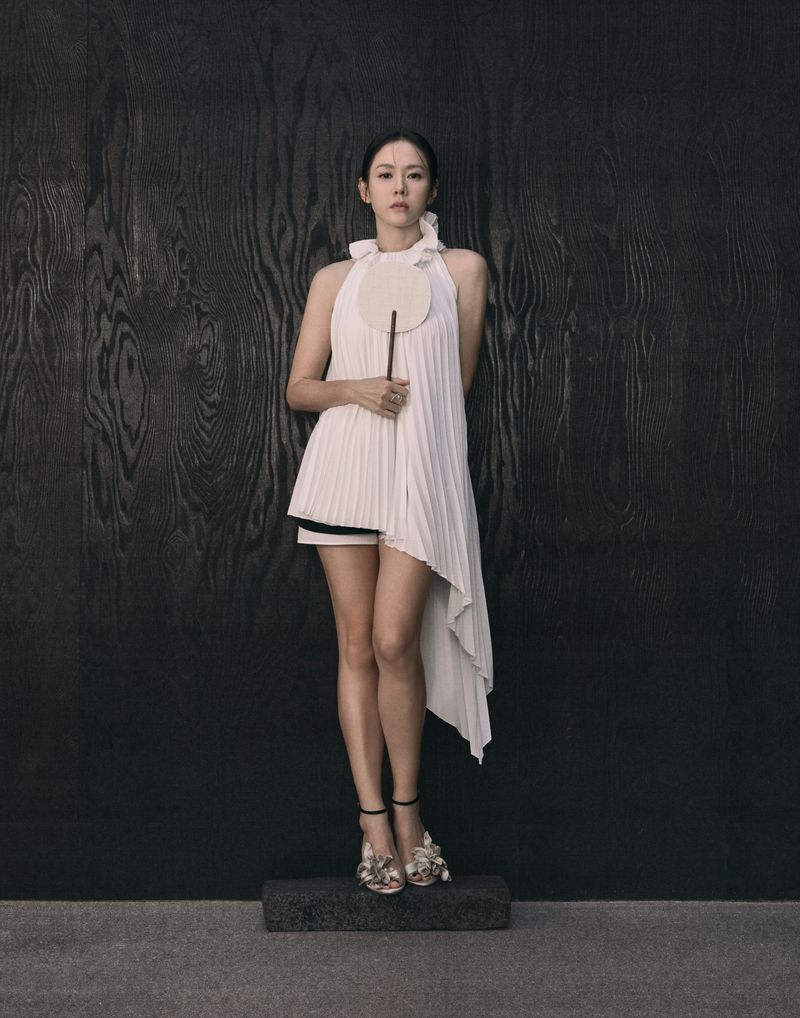
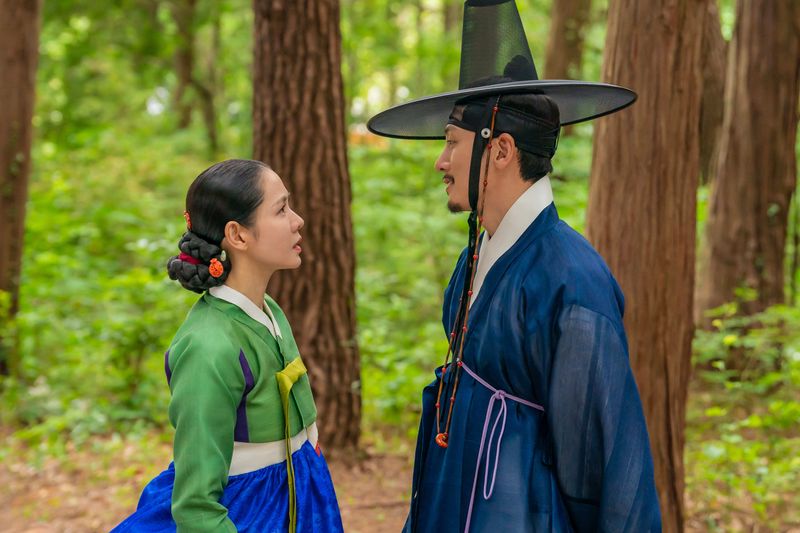
[Financial News] Netflix’s drama ‘Scandal’ raised both expectations and concerns with its casting that upended the actors’ images, and it did not perform particularly well commercially. But from an actor’s perspective, it must have been an enticing challenge. The transformations themselves were intriguing: Son Ye-jin, the ‘Nation’s First Love’; Nana, with her decadent ‘warrior woman’ image; and Ji Chang-wook, who created the romantic gaze. They each played a demure noblewoman who masterminds seduction, a widow who falls in love, and a playboy who sets women’s hearts aflutter, respectively.
Son Ye-jin’s Lady Cho: an ambitious character
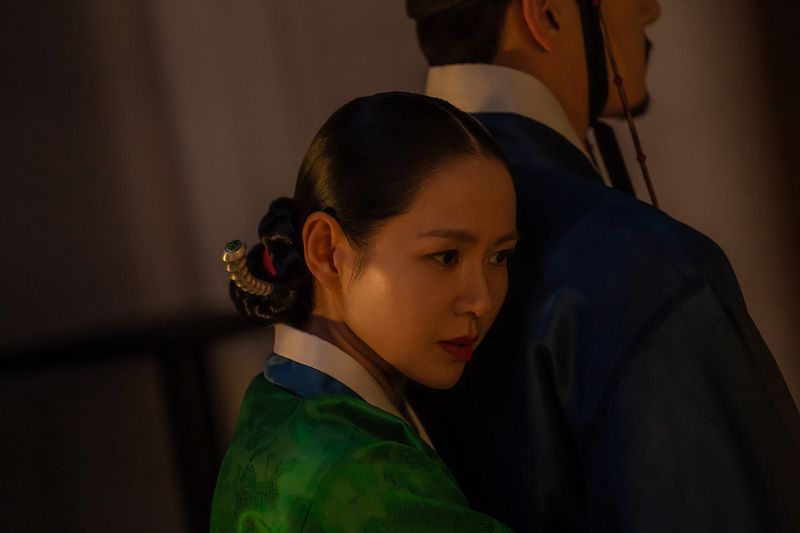
Lady Cho, played by Son Ye-jin, is given a far more detailed backstory than in the film ‘Untold Scandal’ (2003), breaking free of the familiar ‘villainess’ mold. Director Jung suggested that Son approach the character by thinking of her as a ‘middle-aged man.’ Rather than seeing her merely as a woman who seduces and controls men, he asked her to view the character as a person with exceptional talent, great ambition, and an equal measure of arrogance.
Lady Cho pushes herself to the limits of what she can do within the narrow confines permitted by her era. Instead of choosing to elope with Jo Won, she uses his desire for her as leverage, ‘gaslighting’ him as she walks a precarious emotional tightrope. She even devises a long-term plan to have Jo Won’s child through another woman and raise the child as her own.
Jo Won, played by Ji Chang-wook, is a seasoned playboy and an intense romantic, with many emotions coexisting within him. The drama does not definitively say whether he truly loved Heeyeon, played by Nana, or whether his feelings for Lady Cho are love or obsession. Though he wants revenge on Lady Cho, he cannot break free of their relationship.
Director Jung was struck by Ji Chang-wook’s subtlety. ‘I like him very much because he isn’t macho,’ he said, adding, ‘He’s a fine man, but also an actor who has performed countless roles in which emotions shift subtly beneath the surface. If Valmont in the original novel is psychologically sharp-edged, Ji Chang-wook’s Jo Won has inscrutable emotions as well as unexpected humor.’
1792: Individual ambitions amid a shifting class system
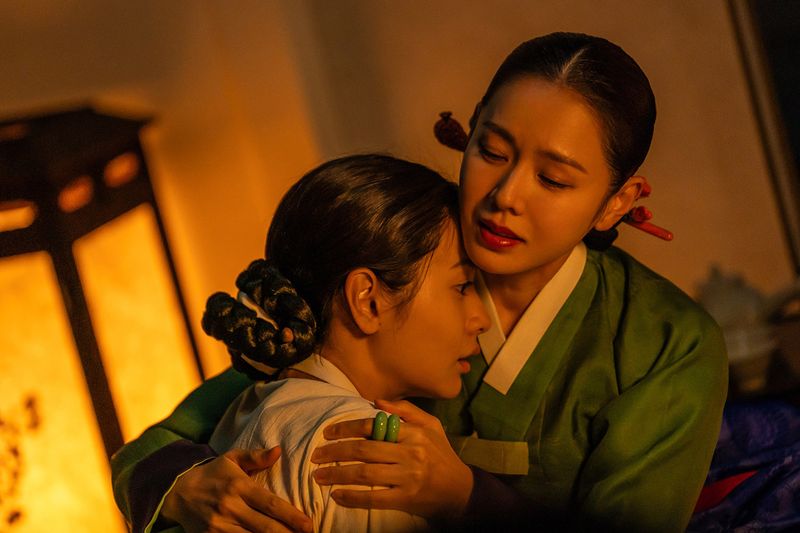
The changes of the era also reach the supporting characters. The yangban-centered class system remains firmly in place, but this is a time when the jungin, or middle-ranking class, and merchants are gaining economic power, creating cracks in the established order. The upheaval in the class system is clearly reflected in the way So-ok and her mother are portrayed.
Bunhui, So-ok’s mother, whom Lady Cho’s husband took in as a concubine, is an emerging capitalist who built her wealth through trade. She wants to use her daughter as a stepping stone to enter Bukchon, the domain of the yangban. The clash between Lady Cho, who seeks to preserve the existing power structure, and Bunhui, who hopes to cross class barriers with money, captures 1790s Joseon, where yangban status and the economic power of merchants intersected.
The drama is also designed to show every female character—from the wife of a high-ranking official to Eunsil, Heeyeon’s maid—resisting the pressures of the era in her own way.
‘Lady Cho struggles desperately not to lose what she has, but the harder she tries, the more she keeps losing,’ Director Jung said. ‘By contrast, the young people who come after her are afraid of nothing in the world. They race fiercely toward what they want, and when they feel affection, they don’t hesitate.’
Responding to the observation that the women are portrayed as far more vital than yangban women, he said, ‘It is a mistaken perspective to view people of the past or those of lower status as foolish. They, too, did their best to live in the circumstances they were given. The pressure of an era that insisted one had to die for honor turned their lives upside down or cut them short.’
[email protected] Shin Jin-a Reporter