Hyundai Engineering Co., Ltd. to design hybrid water electrolysis system in Jeju Province
- Input
- 2026-10-08 09:02:00
- Updated
- 2026-10-08 09:02:00
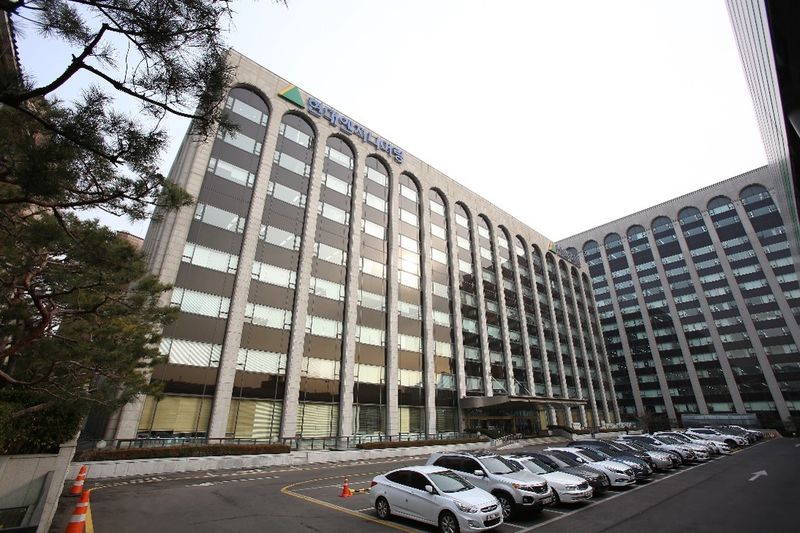
[Financial News] Hyundai Engineering Co., Ltd. has joined a government-funded demonstration project to produce hydrogen reliably using wind-generated electricity, whose output fluctuates with wind speeds. The company plans to turn the optimization technology and demonstration data it develops through the project into a source of technological competitiveness for large-scale hydrogen production projects at home and abroad.
On the 8th, Hyundai Engineering Co., Ltd. said it would participate in a government-funded project by the Korea Institute of Energy Technology Evaluation and Planning, under the Ministry of Climate, Energy and Environment, titled “Development of Water Electrolysis System Technology to Respond to Renewable Energy and Grid Variability.” The project is led by Jeju Energy Corporation. Ten organizations from industry, academia and research are participating, including Hyundai Engineering Co., Ltd., Hyundai Engineering and Construction, Hyundai Motor Company, the Korea Power Exchange and Jeju National University.
The project’s main goal is to build and operate a plant that runs alkaline (ALK) and proton exchange membrane (PEM) water electrolysis together. ALK uses an alkaline electrolyte such as potassium hydroxide (KOH), while PEM uses a polymer electrolyte membrane to split water and produce hydrogen. The aim is to combine ALK’s relatively low construction costs with PEM’s ability to respond quickly to changes in power supply, improving both the stability and cost-effectiveness of hydrogen production.
According to an outline of the project released by Jeju Energy Corporation on the 2nd, it has a total budget of 35 billion won, including 19.3 billion won in government funding. The agreement with the Korea Institute of Energy Technology Evaluation and Planning was signed on September 14, and the project will run for 44 months through March 2030. The demonstration will take place in Jeju Province’s electricity market, using an energy storage system (ESS) attached to the water electrolysis facility to adjust power consumption in line with renewable energy generation. The aim is to use the facility both to produce hydrogen and as a flexible resource for the power grid.
The HMG Construction Technology Research Institute, an integrated R&D organization of Hyundai Engineering Co., Ltd. and Hyundai Engineering and Construction, will design a single plant integrating water electrolysis stacks, balance-of-plant equipment (BOP), electrical balance-of-plant equipment (E-BOP) and hydrogen purification facilities. The institute will also develop a system to operate the plant efficiently based on renewable energy generation and power grid conditions.
Water electrolysis powered by renewable electricity is attracting attention because it can reduce carbon emissions from hydrogen production. The company expects the project to help expand low-carbon hydrogen production and promote the hydrogen economy.
Hyundai Engineering Co., Ltd. has built up experience in the field through projects including the construction of a hydrogen production base using water electrolysis in Boryeong, South Chungcheong Province, and the development of a 5-MW-class plant-based PEM water electrolysis system in Jeju Province. The Boryeong project was selected in August 2023 in a call for proposals for a government project by the Ministry of Trade, Industry and Energy, and is designed to have the capacity to produce at least one tonne of hydrogen per day. Hyundai Engineering Co., Ltd. is also participating in a consortium for the government-funded project “Development of Design Technology for Large-Capacity Water Electrolysis Plants of 100 MW or More,” led by Hyundai Engineering and Construction, as the company expands its work from the demonstration stage into large-scale plant design.
A Hyundai Engineering Co., Ltd. spokesperson said, “We will further strengthen our competitiveness in the water electrolysis plant business by combining the technology and demonstration experience accumulated through this project with our existing EPC capabilities. Going forward, we will strengthen our core technologies and integrated design capabilities across the entire hydrogen lifecycle, from production to storage, transportation and utilization, and create new business opportunities across the hydrogen value chain.”
[email protected] Jung Kyung-soo Reporter