Fukushima begins 24th discharge of contaminated water... No radionuclides detected in 383 tests of Jeju seafood; post-discharge monitoring at sea in focus
- Input
- 2026-10-08 09:04:55
- Updated
- 2026-10-08 09:04:55
【Financial News, Jeju = Reporter Jeong Yong-bok】 As the 24th ocean discharge of contaminated water from Japan’s Fukushima Daiichi Nuclear Power Plant gets underway, no radioactive substances have been detected in any of this year’s 383 radioactivity tests or 63 tritium tests on seafood from Jeju.
According to the Jeju Special Self-Governing Province Marine and Fisheries Research Institute and Japan’s Tokyo Electric Power Company, among others, the 24th discharge of water treated by the Fukushima Daiichi Nuclear Power Plant’s Advanced Liquid Processing System (ALPS) began on the 5th. The discharge is scheduled to continue through the 23rd, with a total volume of about 7,800 metric tons.
This is the 24th discharge overall since the first release in August 2023, and the sixth in Japan’s 2026 fiscal year.
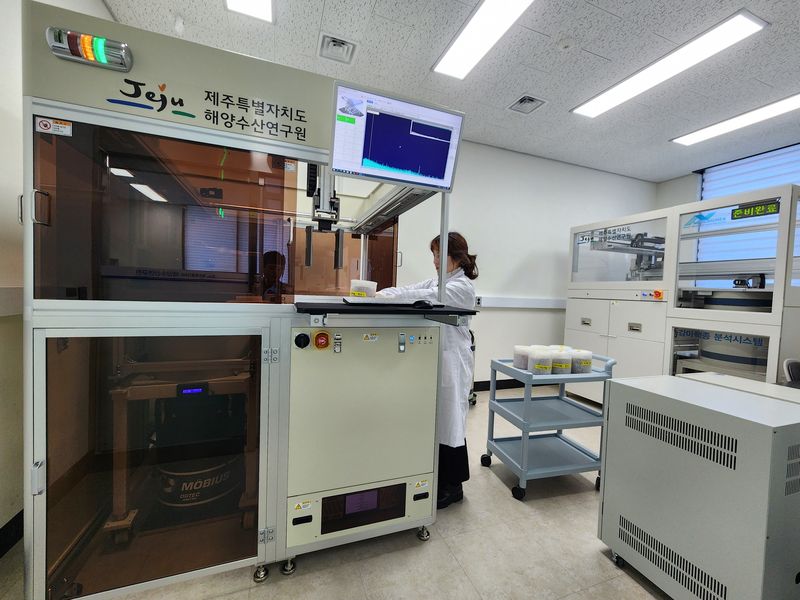
With the start of the discharge, attention in Jeju has turned to test results for seafood at the production stage and marine radioactivity. Results released on the 7th by the Jeju Special Self-Governing Province Marine and Fisheries Research Institute show that the cumulative number of general radioactivity tests on Jeju seafood this year stands at 383. All were found to have no detectable radionuclides, including three flounder tests additionally reported on the 7th.
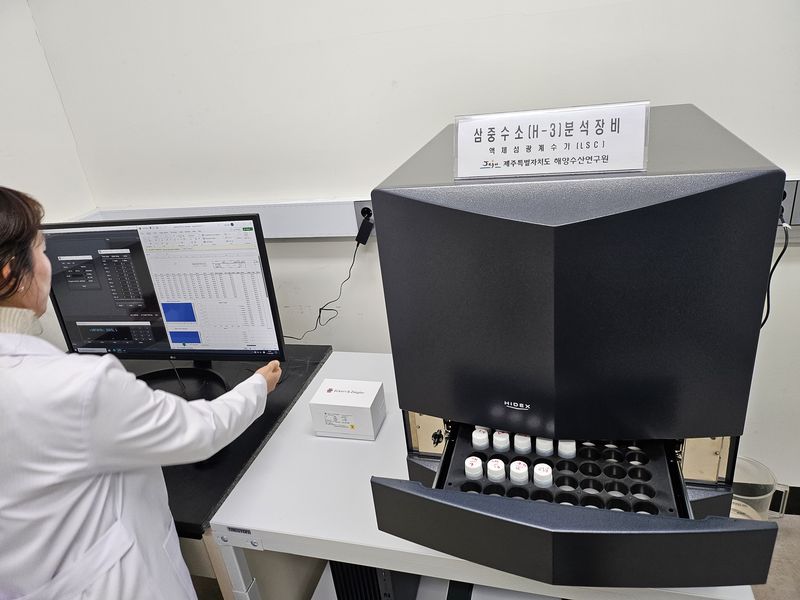
Seven additional tritium tests on flounder were also reported that day, bringing the year-to-date total to 63. Tritium was not detected in any of the samples.
General radioactivity tests mainly check for artificial radionuclides such as radioactive iodine and cesium. Tritium is a radioactive form of hydrogen that requires a separate analytical procedure and is monitored separately from general tests. “Not detected” means the concentration of the substance could not be determined because it was below the analytical equipment’s detection limit.
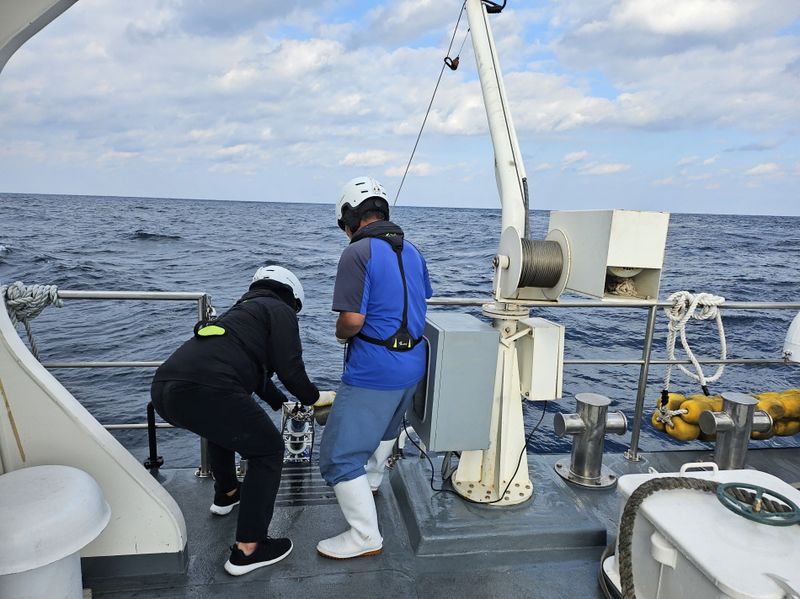
Additional monitoring results for seawater around Jeju have also been released. In radioactivity monitoring of waters around Chuja Island, made public on the 7th by the Jeju Special Self-Governing Province Marine and Fisheries Research Institute, no artificial radionuclides were detected. The samples were collected from September 30 to October 1.
No artificial radionuclides were detected in seawater collected off the coast of Jeju on September 14–15, either. Monitoring results from late July in waters off Jeju and in the southwestern and eastern areas also showed no detectable radionuclides.
Japan and the South Korean government are releasing separate analyses of the contaminated water slated for discharge from Fukushima.
Tokyo Electric Power Company reported that the tritium concentration in the water slated for the 24th discharge was 150,000 becquerels (Bq) per liter before dilution. The becquerel is a unit of radioactivity indicating the number of radioactive decays per second.
Tokyo Electric Power Company planned to mix the contaminated water with seawater and lower the tritium concentration to below 1,500 Bq per liter before discharge. The pre-dilution concentration should be distinguished from the discharge standard, and the concentration during the actual discharge is confirmed through separate measurements.
In Tokyo Electric Power Company’s analysis, the total concentration ratio for the 29 nuclides subject to measurement and evaluation, excluding tritium, was 0.30. The Japan Chemical Analysis Center reported 0.33, while the Japan Atomic Energy Agency reported 0.27.
The total concentration ratio is calculated by dividing the concentration of each radionuclide by its respective legal discharge limit and adding the results. The limit is less than 1, and all of the preliminary analysis results in this case were below it.
The South Korean government also announced plans to dispatch experts from the Korea Institute of Nuclear Safety to Fukushima during the discharge period to monitor the situation through the International Atomic Energy Agency (IAEA) field office and nuclear power plant facilities, among other means.
No cases of noncompliance have been identified to date in radioactivity tests of seafood at the production stage nationwide. According to figures released by the government on the 7th, all 11,533 tests conducted so far this year received compliant results.
In Jeju, however, what matters—separate from the nationwide testing record—is how consistently monitoring data from waters around Jeju are collected and made public. The Jeju Special Self-Governing Province Marine and Fisheries Research Institute collects seawater from different areas, including the coast and offshore waters around Jeju, the southwestern and eastern waters, and the waters around Chuja Island, to monitor radioactivity. Seafood is tested at the production stage, and tritium is analyzed separately.
Marine monitoring and seafood testing have different targets and purposes. Seawater tests track changes in radioactivity in the marine environment, while seafood tests check for radioactive substances in caught and farmed seafood for human consumption.
This 24th discharge is scheduled to continue through the 23rd. The interpretation of results depends on where and when samples were collected in Jeju waters during the discharge, which nuclides were analyzed, and the detection limits used. Accordingly, key points to check in future monitoring data from Jeju waters include whether samples were collected after the discharge began, which nuclides were tested, the detection limits, and the readings at each monitoring site.
This year’s tests of Jeju seafood have so far produced no detectable results in all 383 general radioactivity tests and all 63 tritium tests. The next step is for test results from seawater collected in Jeju waters after the 24th discharge began to be added as new evidence for assessment.
[email protected] Jeong Yong-bok Reporter