“Will It Grow Back After Treatment?” ... The Mechanism of Chemotherapy-Induced Hair Loss and the Time It Takes to Recover [Lee Seon-min’s Hair Reboot]
- Input
- 2026-10-07 16:00:20
- Updated
- 2026-10-07 16:00:20
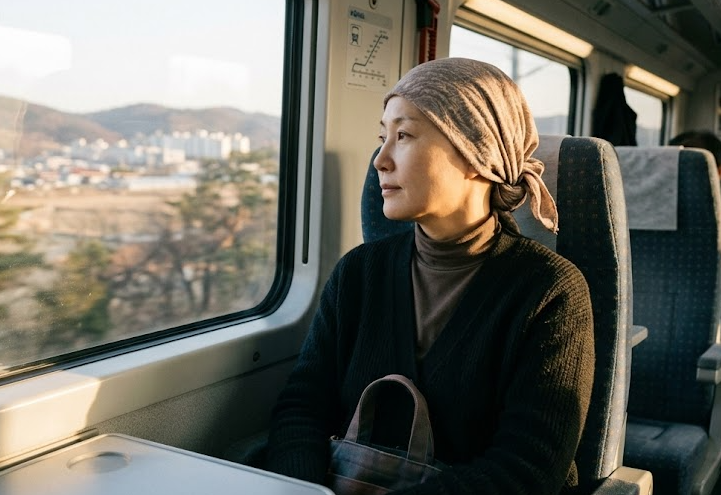
[Financial News] Ask patients about to undergo chemotherapy what worries them most during treatment, and many mention their hair before nausea or fatigue. In fact, several studies have found that a substantial proportion of female cancer patients consider hair loss one of the most distressing side effects, and surveys have also reported that some hesitated to undergo chemotherapy for fear of losing their hair. That is because hair loss reminds them that “I am a patient” every time they look in the mirror.
Why chemotherapy drugs attack hair follicles
Chemotherapy drugs target rapidly dividing cells. Cancer cells are a prime example, but our bodies also have normal cells that divide just as rapidly: those in the bone marrow, intestinal lining and hair follicles. About 85–90% of scalp hair is in the active “growth phase,” and hair matrix cells at the roots are among the most actively dividing cells in the human body.
When chemotherapy drugs stop this division, hair becomes thinner and then breaks off or falls out by the root. This is called “anagen hair loss.” Unlike “telogen hair loss,” which develops gradually over several months after stress or childbirth, it progresses quickly and affects a wider area. For the same reason, it often affects not only the scalp but also the eyebrows, eyelashes and body hair.
When does hair fall out, and when does it grow back?
Hair usually starts falling out 2–4 weeks after the first chemotherapy treatment, with noticeable hair loss developing over the following few weeks. Many patients also report a tingling or heightened sensitivity in the scalp just before their hair falls out.
The extent of hair loss varies greatly depending on the drugs, dosage and method of administration. Some drugs, such as anthracyclines and taxanes, carry a high risk of hair loss, while others have little effect. The risk is higher with combination therapy using multiple drugs. If you want to prepare yourself, you could ask your oncologist before treatment about the likelihood that the drugs you will receive will cause hair loss.
Fortunately, most people’s hair begins to grow back within 3–6 months after treatment ends. New hair may be curly or a different color, but it often returns to its original state over time. During this period, it is best to avoid harsh perms and hair dye and keep the scalp clean.
If hair loss is expected, it can help to get a short haircut in advance. This can lessen the shock of seeing hair fall out in clumps and give you time to choose a wig or hat. The scalp, once exposed by hair loss, is vulnerable to sunlight and cold, so take care to protect it from UV rays and keep it warm. It is a small step, but it can ease the psychological burden during treatment.
The exception hidden in “It grows back”
Not everyone recovers. When hair has not grown back sufficiently six months after chemotherapy ends, it is called “persistent chemotherapy-induced hair loss.” It has been linked in reports to taxane drugs, which are commonly used to treat breast cancer, and the risk is also higher after high-dose chemotherapy. In such cases, rather than simply waiting, it may be worth having the condition of the scalp objectively assessed.

[email protected] Kim Hyeon-seon Reporter