14 deaths in water recreation accidents this summer, the fewest since records began
- Input
- 2026-10-07 15:24:37
- Updated
- 2026-10-07 15:24:37
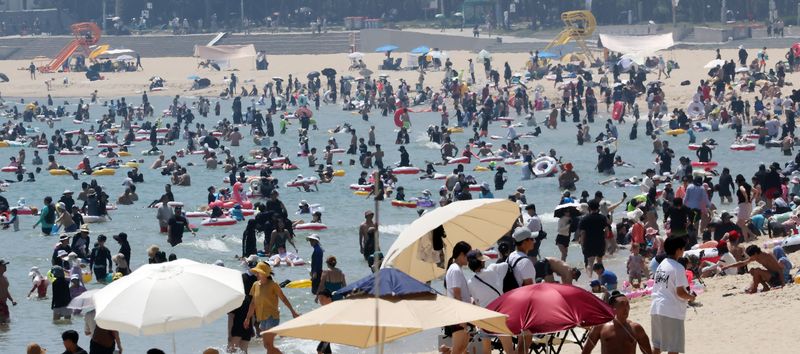
[Financial News] Fourteen people died in water recreation accidents this summer, the fewest since related statistics began to be compiled in 2008. The total number of deaths in water safety accidents, including fishing, foraging on tidal flats and collecting freshwater snails as well as water recreation, was 82, down 13% from the average for the past three years. Thirty-eight percent of all deaths in water safety accidents occurred while people were catching or gathering aquatic resources through activities such as fishing, tidal-flat foraging and freshwater-snail collection.
The Ministry of the Interior and Safety said on the 7th that 14 people died in water recreation accidents during this year’s summer water safety management period, which ran from June 1 to September 13. This was the lowest figure since records began in 2008. From 2008 through last year, a total of 715 people died in water recreation accidents, an annual average of 39.7; this year’s figure was 64% lower than that average.
When the count is broadened beyond water recreation accidents to include various water-based activities such as fishing, tidal-flat foraging and freshwater-snail collection, the number of deaths during the same period was 82. That was 12 fewer (about 13%) than the average of 94 for the same period in 2023–2025, and four fewer (about 5%) than last year’s 86. This year’s total number of deaths in water safety accidents is provisional and will be finalized after review by the water safety accident committee this month.
This summer, the average temperature was 25.4°C, the third-highest on record, and there were 18.2 tropical nights, the second-highest number on record. Days with daily high temperatures of 39°C or above were also recorded on 42 occasions.
The government extended the water safety management period from 92 to 105 days to prepare for early and late-season heat. It also expanded the peak-season special measures period from 34 to 73 days. It provided local governments with 8 billion won in special grants and deployed 5,746 safety personnel to rivers and valleys, designated beaches and other locations. That was 404 more personnel (7.6%) than last year.
The Ministry of the Interior and Safety plans to step up patrols and safety guidance in areas without assigned safety personnel, and to focus inspections on safety blind spots such as coastal waters and undesignated beaches. It also plans to continue promoting safety rules, including wearing life jackets and not entering the water after drinking.
Yun Ho-jung, the minister of the interior and safety, said, “Despite the difficult conditions this summer, with record-breaking heat waves as well as early and late-season heat, relevant ministries and local governments were able to reduce casualties by extending the response period and strengthening on-site safety management.” He added, “We will continue to carefully inspect safety blind spots, including coastal waters and undesignated beaches, and step up on-site patrols and prevention efforts to do our utmost to protect people’s lives.”
[email protected] Lee Bo-mi Reporter