Presidential Office Defense Adviser Kim Byung-joo flags Chinese-made cars entering military facilities, urges tighter security
- Input
- 2026-10-07 14:28:43
- Updated
- 2026-10-07 14:28:43
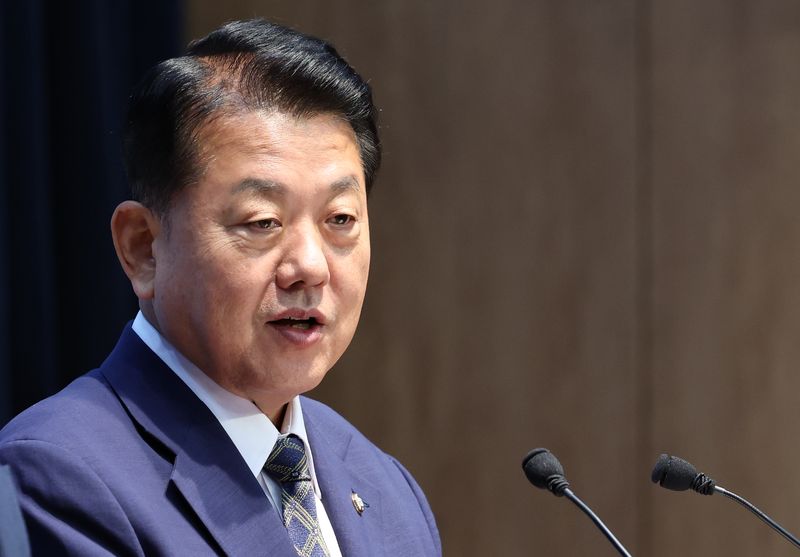
An analysis by Kim’s office of data on vehicle registrations and access to military bases, submitted on the 7th by the Army, Navy, Air Force and Marine Corps, found that 135 vehicles from Chinese brands were listed this year on military registration and regular access rosters. They included 44 at the Army, 42 at the Navy, 41 at the Air Force and eight at the Marine Corps. Of these, 118 were personal vehicles belonging to military personnel; the figures also included five delivery vehicles, four each for construction and inspections, and three welfare-related vehicles, including PX vehicles.
Chinese-brand vehicles were found to have actually entered key military strategic facilities. Access records were confirmed at sites including Army Headquarters, missile units and forward GOP outposts. Some access records submitted by the Navy showed a total of 565 entries by Chinese-brand vehicles, 11 of them at the Submarine Command, which controls submarines.
However, the military was found to have no separate access standards that take into account the possibility of connected cars collecting and transmitting information. Kim’s office said the military also does not separately record whether a vehicle is a connected car during the registration process.
Connected cars exchange vehicle information over the internet and, depending on their functions, can collect location and time data and remotely control key vehicle functions. Chinese-made connected cars began to be imported into South Korea in earnest in 2024, but the military has yet to establish separate access standards for them.
Kim said, “It is a serious problem that Chinese-made connected vehicles have actually been entering key military strategic facilities, yet the military has not even properly determined whether the vehicles can be remotely accessed or could collect and transmit information.” He added, “Major countries abroad are already introducing regulations and conducting inspections on national security grounds, so our military must no longer delay establishing standards.” He continued, “We should immediately conduct comprehensive inspections, starting with Chinese-made connected vehicles that have been identified as posing a potential direct security threat, and promptly review security standards for all vehicles entering military bases.” He stressed, “Rather than waiting until systems and standards are in place, we should first implement whatever measures are possible, including access restrictions and security inspections, starting with key military facilities.”
The issue has also drawn attention because Kim raised security concerns over Chinese-made vehicles soon after being appointed the president’s special adviser on defense policy. By flagging the entry of Chinese-made vehicles into military facilities as a direct national security concern and calling for proactive measures, he is making his voice heard on security issues in his role as defense policy adviser.
[email protected] Song Ji-won, Kim Hyeong-gu Reporter