Actor's fee allegedly inflated by 450 million won; Audit Board: KBS should file criminal complaint and seek damages
- Input
- 2026-10-07 13:52:49
- Updated
- 2026-10-07 13:52:49
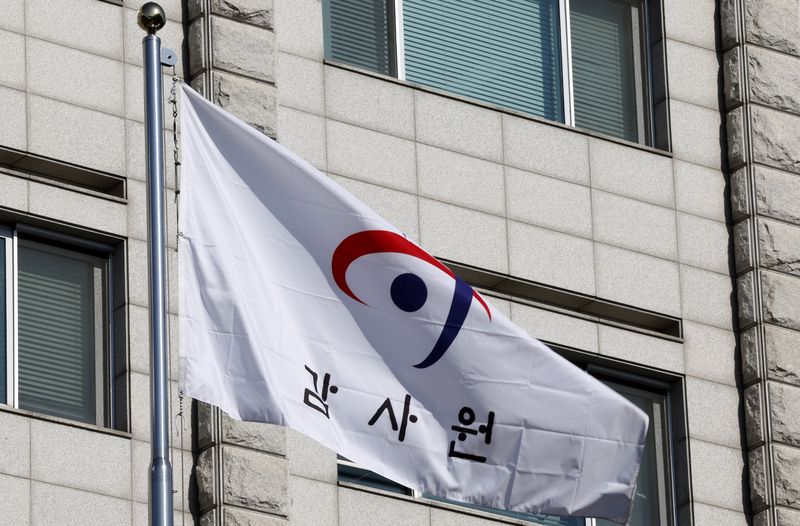
[Financial News] An audit by the Board of Audit and Inspection found that a KBS drama production company is suspected of inflating a lead actor's fee by 450 million won and pocketing the difference. The actual fee was 550 million won, but the company allegedly submitted fake contracts and tax invoices to make it appear that 1 billion won had been paid.
On the 7th, the Board of Audit and Inspection released the results of its regular institutional audit of KBS, which included these findings. It identified 17 cases of legal violations, improper practices and areas requiring improvement involving drama production and investment, staffing, employee benefits and broadcast facility management.
According to the Board of Audit and Inspection, KBS signed outsourced drama production contracts with two companies, including Company A, for a total production budget of 9.5 billion won and paid Company A an advance of 2 billion won. Company A submitted settlement documents stating that it had paid 560 million won from the advance toward the lead actor's total fee of 1 billion won, and KBS accepted the documents as valid.
The documents submitted by Company A stated that 550 million won had been paid to the actor's agency and 450 million won to Company B, which purportedly had acquired the agency's receivable for the actor's fee. The submission also included a contract specifying a fee of 1 billion won, a supplementary agreement on the assignment of the receivable, and a tax invoice issued by Company B.
During the audit, however, the actor's agency said the actual fee was 550 million won and that it had never signed an acting contract for 1 billion won. It also denied assigning the fee receivable to Company B.
It was confirmed that Company B canceled the 450-million-won tax invoice on the day it was issued and returned 490 million won to Company A three days later, after adjustments for VAT and other items.
The Board of Audit and Inspection found grounds to suspect Company A of fraud, concluding that it had deceived KBS and caused 450 million won in losses by inflating the actor's fee. It also notified the National Tax Service to devise appropriate measures regarding the issuance and receipt of false tax invoices by Companies A and B.
Weaknesses in the management of outsourced production costs also came to light. A review of all 54 outsourced dramas aired by KBS from 2021 to 2025 found that none of the contracts specified the calculation basis and amount for each production-cost item.
For 43 of the dramas, the obligation to submit documentation of production-cost payments was changed to an optional clause requiring submission only when KBS requested it, and KBS did not obtain the documents. The other 11 contracts also stipulated a submission requirement, but KBS either did not receive the documents or did not check whether they were appropriate.
A review of expenditure records for 10 dramas produced within the past two years found that six had spent a total of 6.7 billion won less than the production costs specified in their contracts. The Board of Audit and Inspection issued a warning to the KBS president, calling on the broadcaster to clearly document production-cost breakdowns and deduct costs that were unused or lacked supporting documentation.
A separate public-interest audit on audit independence, released at the same time, found that the audit office had two people serving as department heads simultaneously for about eight months, causing duplication and confusion. This happened because department heads who had been transferred to other departments without the auditor's request returned following a court ruling, but their successors were left in place.
KBS President Park Jang-beom was also criticized for refusing, without valid grounds, the auditor's request to replace department heads. The Board of Audit and Inspection issued a warning, saying this risked undermining the intent of personnel regulations designed to ensure the independence of internal audits.
Other areas identified for improvement included inadequate backup systems for the disaster-broadcast caption transmission system, delays in seismic retrofitting of key broadcast facilities, and heavier workloads for field staff due to a top-heavy staffing structure. The Board also called for improvements to employee benefits, including subsidies for all employees' telecommunications costs and the retention of memberships in little-used condos and resorts.
[email protected] Seong Seok-woo Reporter