“I Want a Clean Death” ... Park Mi-sun on Why Her Outlook on Life and Death Changed After Battling Cancer [Health Talk]
- Input
- 2026-10-11 06:00:00
- Updated
- 2026-10-11 06:00:00
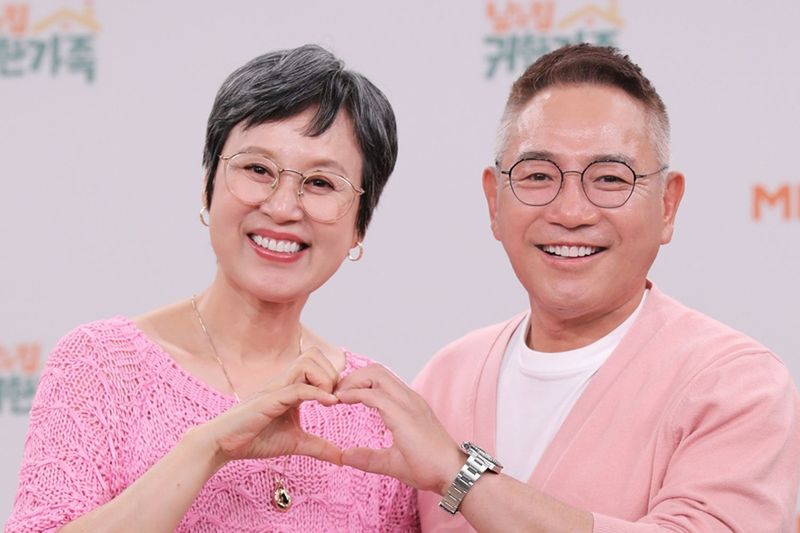
[Financial News] Broadcaster Park Mi-sun opened up about how her thoughts on life and death changed after her battle with breast cancer.
After her cancer battle, Park Mi-sun: “Being healthy myself, rather than leaving my children an inheritance, is the best thing I can do for them”
Park Mi-sun, who recently appeared as a guest alongside Lee Hong-ryeol on the YouTube channel “Lee Sung-mi’s I’m a Kkondae,” recalled her breast cancer battle, saying, “I’m still young, but I was sick once, and after spending a long time in the hospital, I saw a lot of people who were ill.”
Park Mi-sun shared what she had realized in the hospital, saying, “It really hit home that staying healthy myself, rather than leaving something to my children, is the best thing I can do for them.” She also said her perspective on “death” had changed.
Park said, “Everyone dies, so I don’t know when I’ll die, but I thought that I really want to die without being ill for a long time, and to have a clean end. I realized that would be the best thing for my children.”
Park Mi-sun was diagnosed with breast cancer in 2024 and stopped her broadcasting activities. She later underwent 16 rounds of chemotherapy as well as radiation therapy, and returned to television as a host alongside her husband, comedian Lee Bong-won, on MBN’s variety show “Someone Else’s Precious Family.”
Breast cancer is the most common cancer among women ... Five-year survival rate of 94.7%, with a good prognosis
The breast cancer Park Mi-sun had is the most common cancer among women in South Korea. According to the “2023 National Cancer Registry Statistics,” released in January this year by the Ministry of Health and Welfare and the Korea Central Cancer Registry, 29,715 women were newly diagnosed with breast cancer in 2023, accounting for 21.6% of all cancers among women.
Fortunately, breast cancer is among the cancers with good treatment outcomes. The five-year relative survival rate for patients diagnosed with breast cancer in the most recent five-year period (2019–2023) was 94.7%, at least 20 percentage points higher than the average for all cancers (73.7%). The number of people who have had breast cancer or are currently being treated for it has also reached 354,699. This means there are many breast cancer survivors like Park Mi-sun who have completed treatment and returned to their daily lives.
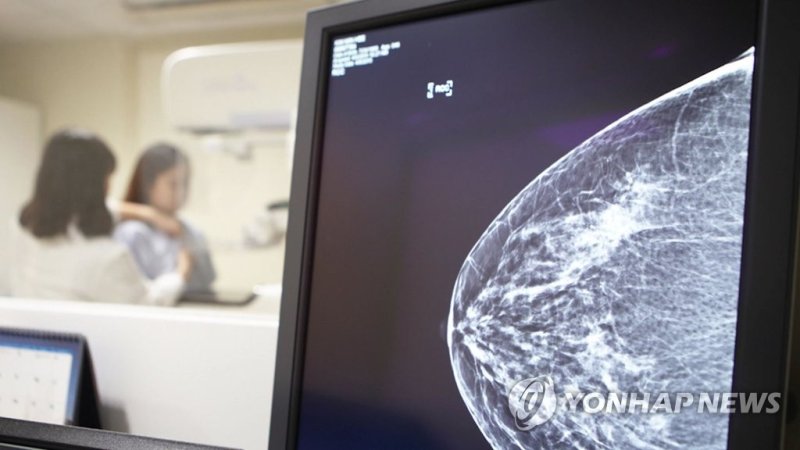
“Early detection” determines survival ... The rate plunges by half once the cancer has spread
The biggest factor determining prognosis is when the cancer is diagnosed. According to data from the National Cancer Information Center, if cancer is detected while still confined to the site where it first developed, the five-year survival rate is 99.2%, virtually the same as that of the general population. The rate is also high, at 93.6%, when it is detected at the “regional” stage, after spreading to nearby lymph nodes and other areas.
But the rate drops sharply to 50.4% when the cancer reaches the “distant metastasis” stage, spreading to distant organs such as the bones, lungs, or liver. In other words, even for the same breast cancer, survival rates can differ by nearly twofold depending on when it is detected. Among the six cancers covered by the National Cancer Screening Program, the early detection rate for breast cancer rose from 54.8% in 2005 to 64.8% in 2023. The government provides mammography screening every two years for women aged 40 and older.
“It’s not over after five years” ... Recurrence can happen even after more than 10 years
For most other cancers, patients are considered cured if there is no recurrence for five years after treatment. But breast cancer can recur even after five years have passed. Late recurrence is especially common in hormone receptor-positive breast cancer, which accounts for the majority of cases in South Korea.
A prominent example is an analysis by an international research team led by the University of Oxford in the UK, published in 2017 in the international journal The New England Journal of Medicine (NEJM). The team followed 62,923 patients with estrogen receptor-positive breast cancer who had completed five years of hormone therapy and remained recurrence-free.
The results showed that recurrence continued to occur at a steady rate each year over the following 15 years (from five to 20 years after diagnosis). The risk of recurrence in distant organs such as the bones, liver, and lungs ranged from 13% to 41%, depending on the tumor size and extent of lymph node spread at the time of initial diagnosis. This is why medical professionals stress that breast cancer patients should continue to get regular checkups for a long time after treatment.
Lifestyle management after completing treatment is also important. Medical professionals advised that maintaining a healthy weight, exercising regularly, and reducing alcohol consumption can help lower the risk of recurrence and improve quality of life for breast cancer survivors.
[email protected] Kim Hee-sun Reporter