Kim Dae-jung, Superintendent of Education for Jeonnam-Gwangju Integrated Special City: “Realizing a ‘K-Education Special City’ by Harnessing the Synergy of Integration”
- Input
- 2026-10-07 10:37:07
- Updated
- 2026-10-07 10:37:07
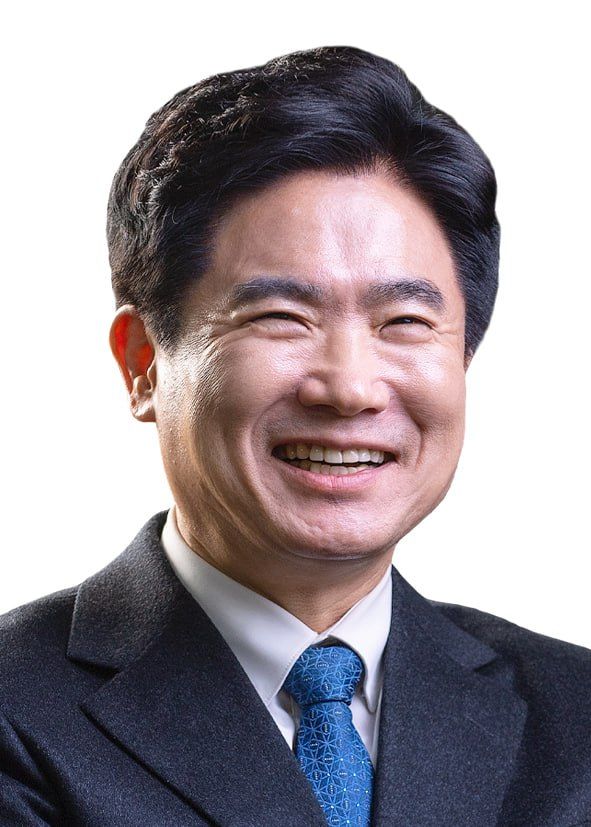
【Financial News, Jeonnam-Gwangju—Reporter Hwang Tae-jong】Kim Dae-jung, superintendent of education for Jeonnam-Gwangju Integrated Special City, said on the 7th, “Drawing on the synergy of integration, we will fully pursue policies that revitalize both classrooms and the region, realizing a ‘K-Education Special City’ where children learn and grow in their region before going out into the world.”
To mark the 100th day since the Integrated Special City Office of Education was launched, Superintendent Kim Dae-jung announced four key tasks that day, saying, “We are moving beyond the initial phase of stabilizing the organization and entering the full-scale policy implementation phase.”
According to the Jeonnam-Gwangju Integrated Special City Office of Education, the four key tasks were designed as an organic, virtuous cycle of policies, progressing through “Building the Foundation (K-democracy) → Restoring the Fundamentals (classroom innovation) → Expanding the Future (settling in the region) → Administrative Innovation (close ties to the field).”
First, the office will lay the foundation by connecting regional values with future competencies through “K-democracy education.” To promote practical democratic citizenship education that enables students to independently address issues in their lives and daily routines, it plans to launch projects commemorating the “100th anniversary of the Student Independence Movement” and the “50th anniversary of the May 18 Democratization Movement,” and build the “K-Democracy Hall,” a global hub for democratic education.
The office will press ahead with restoring the fundamentals by improving the educational environment alongside innovation that puts classrooms and instruction at the center. It will focus on strengthening protections for educational activities under the superintendent’s direct oversight; shifting from classrooms where students choose the right answer to classrooms where they express their thinking, transitioning to a learning-centered system and gradually expanding written-response and essay-based assessments; and strengthening systems to reduce workloads.
The office will focus on expanding the future by cultivating talent to meet the needs of three mega-projects and drive job creation and regional settlement. Specifically, it will cultivate research and engineering talent through three gifted schools specializing in artificial intelligence (AI) and semiconductors and three regional science high schools linked to local industries; revamp vocational education to align with regional strategic industries; and build communities where education helps people put down roots, including through special provisions for school admissions and transfers and high school entry for migrant families.
The office will pursue administrative innovation to provide direct support to schools, including through integration and organizational restructuring. First, the central office will be streamlined to focus on policy planning, while implementation authority is transferred to education support offices and the frontline. It will also support the stability of education personnel whose work locations change as a result of the integration. The office will advance bottom-up educational self-governance by piloting an open-selection system for heads of education support offices, and strengthen its support for schools by proceeding as scheduled with the relocation of the aging Gwangju office.
Superintendent Kim Dae-jung said, “The first 100 days since the launch of the Jeonnam-Gwangju Integrated Special City Office of Education mark more than the mechanical merger of two administrative organizations into one. They mark the start of a bold challenge to decisively dismantle outdated administrative boundaries and broaden the horizons of our children’s learning and lives.” He emphasized, “We will firmly pursue the four key tasks, turn the crisis of regional depopulation into an opportunity for growth, and work with those on the ground to build a ‘K-Education Special City’ that sets the future standard for public education in South Korea.”
[email protected] Hwang Tae-jong Reporter