Busan moves to boost confidence in its tap water with expanded, overhauled water quality testing
- Input
- 2026-10-07 09:54:56
- Updated
- 2026-10-07 09:54:56
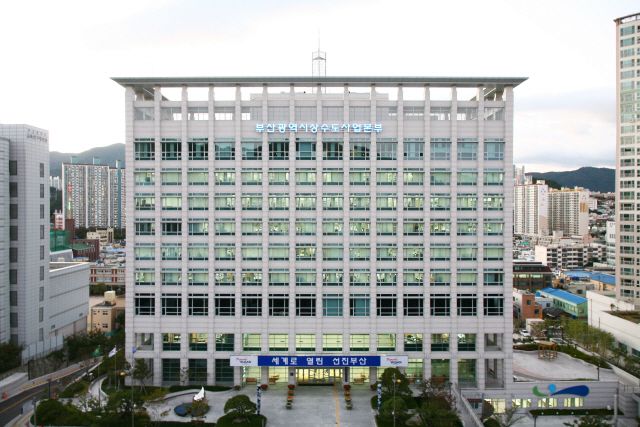
[Financial News] Starting next year, Busan Metropolitan City’s Waterworks Headquarters will expand and overhaul its water quality testing system for tap water and increase the number of items it monitors independently. The move is aimed at proactively addressing emerging trace contaminants newly detected or flagged as potentially hazardous at water intake sources and in the Nakdong River basin.
The city’s Waterworks Headquarters said on the 7th that it would add a new management category to the three existing categories—drinking water quality standards, water quality monitoring items, and independent monitoring items—expanding the total to four.
The management category will include substances that have become subjects of debate in the media and academia and that are likely to be detected at water intake sources and require special management.
Starting next year, the Waterworks Headquarters will monitor the newly designated items once every quarter in raw and treated water at Busan’s four water treatment plants and at 27 sites in the Nakdong River basin. It will also assess how effectively the substances are removed during the water treatment process to help ensure the safety of tap water.
The items covered by the headquarters’ independent monitoring program will also increase starting next year. The number of water quality testing items for treated water will rise from 311 to 338, while the number for raw water will increase from 292 to 313.
In addition, the headquarters will conduct a comprehensive analysis and assessment of water quality testing items through risk assessments, and, with input from experts, manage them systematically by adding or replacing items and adjusting testing intervals.
Waterworks Headquarters Director Kim Byeong-gi said, “Rather than simply increasing the number of testing items, we will do our utmost to produce and supply safe, clean tap water by advancing our water quality testing system scientifically.”
[email protected] Kwon Byeong-seok Reporter