Iranian attacks surge in Strait of Hormuz; Panama-flagged tanker hit, 12 injured
- Input
- 2026-10-07 05:55:12
- Updated
- 2026-10-07 05:55:12
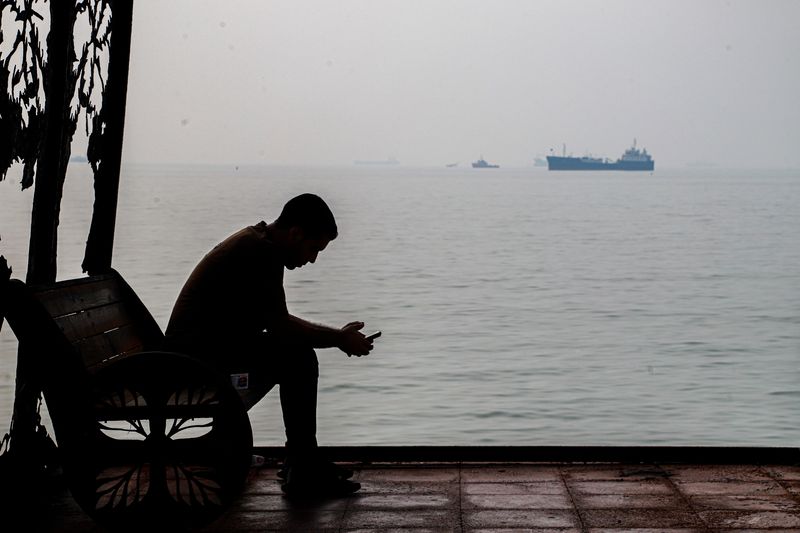
Crude oil shipments through the Strait of Hormuz are once again under threat. As Iran has recently begun attacking vessels using “unauthorized” routes, a Panama-flagged tanker was attacked on the 6th (local time), injuring 12 crew members.
According to Oman’s Ministry of Defense, the Panama-flagged tanker Onpis, which was passing through Hormuz that day, was hit by a projectile and caught fire. Twelve of its 19 crew members were injured, and 10 of them were flown by helicopter mobilized by the Omani defense ministry to Khasab Hospital in Musandam Governorate.
According to the Joint Maritime Information Center (JMIC), established by the U.S. military and allied navies, about 20 commercial vessels were attacked over the past month in and around the Strait of Hormuz and the Gulf of Oman. Tankers were the main targets.
CNBC reports that Iranian attacks have intensified in recent days. According to the United Kingdom Maritime Trade Operations (UKMTO), there were seven attacks on vessels around the strait in just the past six days.
Iran’s Islamic Revolutionary Guard Corps (IRGC) is broadcasting warnings to tankers passing through Hormuz: “If you do not turn back, we will attack.”
The so-called “shuttle method,” which has played a major role in bringing crude oil shipments back toward prewar levels, is gradually showing its limitations. Transferring crude oil at sea to other vessels in the Gulf of Oman has helped transport it to Asia and elsewhere, but the approach is highly volatile. According to Kpler, since the transshipment method was introduced, crude oil shipments have recovered to an average of about 10.3 million barrels per day over the past week, roughly 80% of the prewar level of 13.5 million to 14.5 million barrels per day.
The risk of being attacked by Iran at sea remains, casualties among crew members continue, and soaring charter rates and insurance premiums are disrupting the smooth flow of logistics.
Russell Hardy, CEO of Vitol, the world’s largest independent oil trader, warned that a shortage of tankers is creating a bottleneck in oil transportation and that Brent crude could surge to $200 a barrel if supply disruptions become full-blown in the future.
Experts expect Brent crude to remain around $100 a barrel unless shipping through the Strait of Hormuz fully returns to normal.
[email protected] Song Gyeong-jae Reporter