“Tanker shortage means we must brace for oil at $200 a barrel”: Vitol
- Input
- 2026-10-07 03:08:05
- Updated
- 2026-10-07 03:08:05
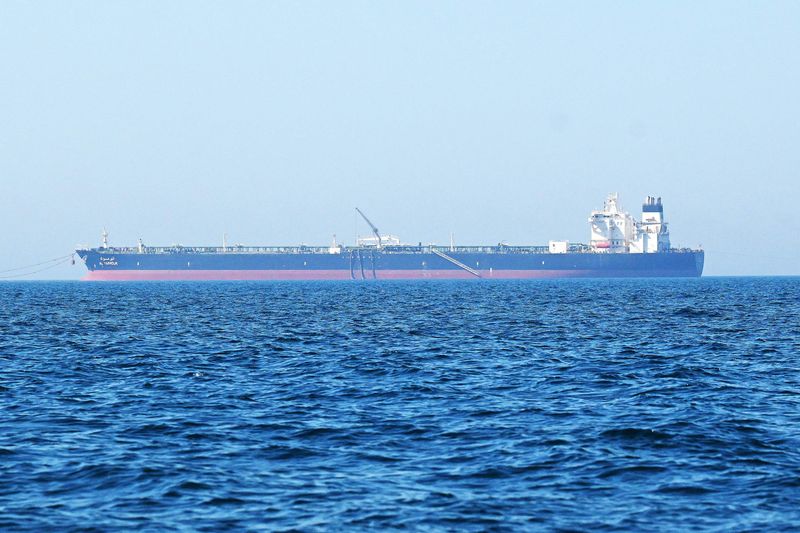
Vitol, the world’s largest independent oil trader, raised the possibility of oil reaching $200 a barrel, citing a shortage of tankers.
According to the Financial Times (FT), Vitol CEO Russell Hardy issued the warning on the 6th, local time, at the Energy Intelligence Forum in London.
Hardy said that although large volumes of oil are currently being exported through the Strait of Hormuz, a new bottleneck is beginning to emerge because buyers cannot secure tankers.
“The Iran war triggered a crude oil crisis, which then spread to refined products,” he said, voicing concern that “Middle East crude exports are now increasing, but the crisis is turning into a shipping crisis.”
Charter rates soar
Hardy said there were “not enough vessels available to operate,” noting that the cost of chartering tankers was rising steeply in a parabolic fashion and that refiners were struggling.
He estimated that, since the U.S. Navy secured the shipping route through the Strait of Hormuz and ship-to-ship transfers began, around 12 million barrels of crude oil and 2 million barrels of refined products have been exported from the Gulf per day. Hardy said this flow must be maintained to prevent another sharp rise in oil prices, but that a shortage of tankers had emerged as a wild card.
Hardy stressed that “if this flow is blocked, we will be heading toward a $200-a-barrel scenario,” adding that “the key is to maintain the flow of crude and oil products.” He warned that a sharp surge in oil prices would be inevitable if the flow were blocked, particularly because the West had no more inventories to draw down.
However, he said ship-to-ship transfers in the Strait of Hormuz were “highly inefficient” and vulnerable because they rely on a group of tankers. At times, tankers have to wait days or weeks for a transfer, reducing the pool of vessels available for use elsewhere.
Europe to cut refining supply?
As the number of available tankers shrinks, charter rates are soaring, and brokers and refiners are struggling to calculate the cost of transporting crude oil.
Hardy said, “No one knows whether charter rates will be closer to $2, $3 or $4 a barrel, so everyone is under considerable pressure,” adding, “Day-to-day decision-making is a war.”
Refiners unable or unwilling to pay the enormous charter rates are scrambling to secure supply chains that offer easier delivery. An oil industry executive said North Sea crude sold for $145 a barrel last week.
European refiners are being hit particularly hard. Amid surging crude prices and charter rates, refining margins have recently turned negative.
With no profit to be made, European refiners are increasingly likely to cut production. This is bound to worsen supply disruptions for petroleum products such as diesel.
Hardy voiced concern that “without a clear solution, refined-product prices are bound to remain high.”
[email protected] Song Gyeong-jae Reporter