WHO: Public Health Risk from Russian Plague Pathogen Leak Is Low
- Input
- 2026-10-07 01:53:00
- Updated
- 2026-10-07 01:53:00
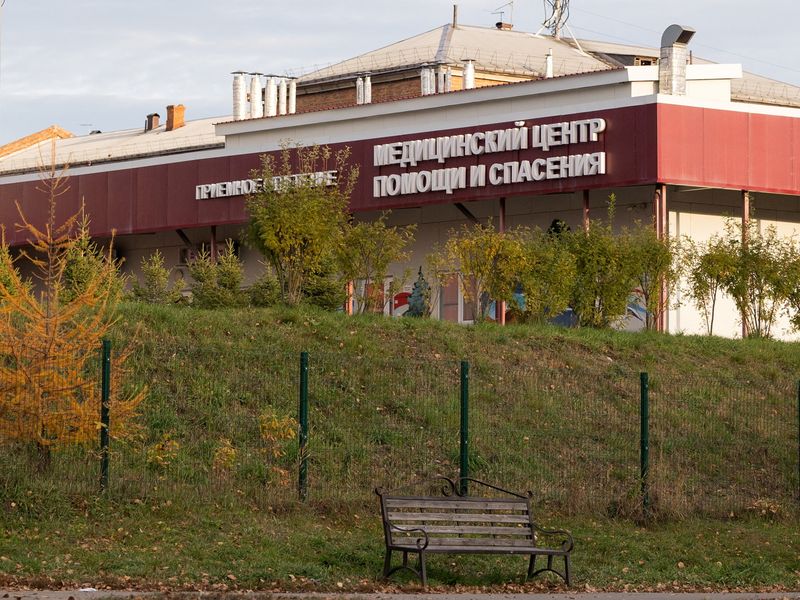
The World Health Organization (WHO) assessed on the 6th (local time) that the public health risk related to the death of a Russian researcher in a plague pathogen leak was low.
According to AFP, WHO spokesperson Christian Lindmeier said at a news conference in Geneva, Switzerland, on the 6th (local time), “Based on the information currently available, the initial risk assessment puts the risk in the Irkutsk region at moderate to low, across Russia at low, and in Europe at very low.”
This is a markedly different response from the one taken when Ebola outbreaks were declared in the Democratic Republic of the Congo and Uganda last May. On May 17, two days after the outbreak was declared on May 15, the WHO declared a “Public Health Emergency of International Concern (PHEIC),” and a week later said the Ebola risk was “very high at the national level, high at the regional level, and low at the global level.”
Spokesperson Lindmeier stressed that the risk from this plague pathogen leak in Russia was relatively low.
He said, “A woman who worked at a laboratory in Irkutsk has died, and the authorities are currently investigating whether pneumonic plague was the cause of death.” He added that the cause of death had not yet been officially confirmed and that, to his understanding, laboratory tests were underway. He also described the institute where the woman worked as “a place that studies dangerous pathogens in Siberia, where infectious diseases occur naturally in wildlife.”
Lindmeier said Russian authorities had identified people who had contact with the woman and were monitoring them, adding, “According to the test results, no dangerous infectious disease pathogens were detected in any of the contacts.”
[email protected] Song Gyeong-jae Reporter