“Hair fell out and nails changed,” Park Joo-ho’s wife Anna shares record of breast cancer treatment [Health Talk]
- Input
- 2026-10-07 04:20:00
- Updated
- 2026-10-07 04:20:00
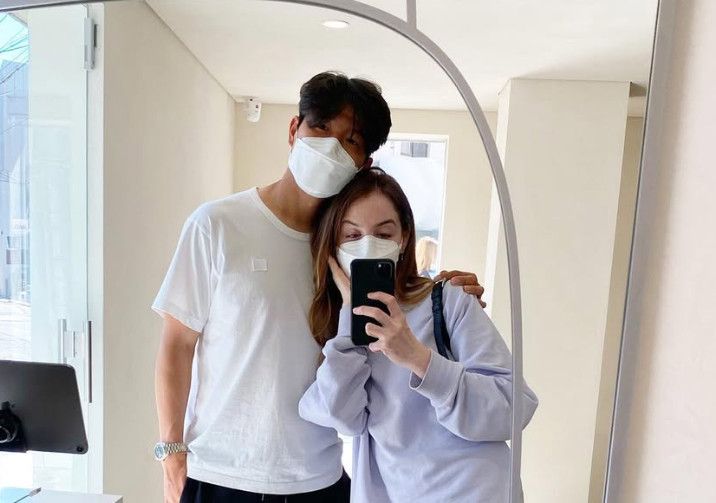
[Financial News] Anna, wife of former soccer player Park Joo-ho, has shared the hair loss and nail changes she experienced during breast cancer treatment, as well as the course of her chemotherapy and radiation therapy. Breast cancer treatment can cause various side effects, including hair loss, nail changes, dermatitis and fatigue, depending on the type of chemotherapy drug and the area exposed to radiation.
Anna recently shared photos from the time of her treatment to mark Breast Cancer Awareness Month, writing on her social media (SNS), “October has arrived. The sight of leaves changing color is always beautiful, but this month also holds a meaning very close to my heart.”
The photos showed her receiving treatment at a hospital, as well as hair loss and nail changes. Anna wrote phrases such as “red devil,” “beau’s lines,” “hair loss” and “chemo/radio” over the photos to document the physical changes she experienced and her chemotherapy and radiation treatments.
She also shared glimpses of her daily life now. Anna posted photos of herself drinking tea at a cafe and spending time outdoors with her long hair down. She said she plans to share more details about her experience battling cancer in a vlog at the end of this month and to interview the breast cancer specialist who treated her.
Anna has shared her treatment and recovery on SNS since personally announcing in 2022 that she was battling cancer.
Hair loss and nail changes can occur after chemotherapy
The “hair loss” and “beau’s lines” Anna shared are changes that can occur during chemotherapy.
The National Cancer Information Center at the National Cancer Center says some chemotherapy drugs used to treat breast cancer can cause hair loss. Hair loss is common with certain drugs, including paclitaxel and docetaxel, and peripheral neuropathy, such as numbness or tingling in the hands and feet, can also occur. Most side effects of chemotherapy are temporary and often resolve after treatment ends.
Hair loss occurs when chemotherapy drugs affect rapidly dividing cells. The U.S. National Cancer Institute (NCI) says hair lost due to chemotherapy often grows back after treatment ends, although the new hair may differ from before in thickness, color or degree of curliness.
Nails can also change. The NCI says that during chemotherapy, nails may darken or turn yellow and may split or break easily. The “Beau’s lines” Anna mentioned are horizontal grooves that appear when nail growth is temporarily disrupted. They can occur in situations that affect nail growth, such as chemotherapy.
Radiation therapy side effects are concentrated in the treated area
Anna said she also received radiation therapy along with chemotherapy. The two treatments cause side effects in different ways.
The National Cancer Information Center identifies radiation dermatitis as the most common acute side effect of breast radiation therapy. Starting two to three weeks after treatment begins, the skin in the treated area may become red or dry. As the radiation dose accumulates, the skin may peel or ooze. Breast swelling, pain and pigmentation changes may also occur.
The NCI also lists fatigue, skin changes in the treated area, and breast tenderness or hardening as side effects of breast radiation therapy. Hair loss caused by radiation differs from hair loss caused by chemotherapy in that it occurs only in the area actually exposed to radiation, not across the whole body.
Regular follow-up is needed after treatment, too
Breast cancer treatment combines surgery, chemotherapy, radiation therapy, hormone therapy, targeted therapy and other treatments according to the cancer’s characteristics and stage. Even among patients with the same type of breast cancer, treatment and the type and severity of side effects can vary.
The Breast Cancer Center at Samsung Medical Center says that after surgery, chemotherapy, radiation therapy, targeted therapy and anti-hormone therapy are given according to the patient’s condition to reduce the risk of recurrence. Follow-up care, including regular checkups and assessments of health, continues after treatment ends.
The hair loss and nail changes Anna shared are among the side effects that can occur during treatment. The National Cancer Center says side effects may vary depending on the type of chemotherapy drug and the duration of treatment, and that patients should inform their medical team about new skin or nail changes or severe pain that develops during treatment.
[email protected] Han Seung-gon Reporter