Japan on alert as AI-assisted hacking surges... Corporate and local-government data leaks soar, including 10 million records from the Yakiniku King app
- Input
- 2026-10-06 18:42:14
- Updated
- 2026-10-06 18:42:14
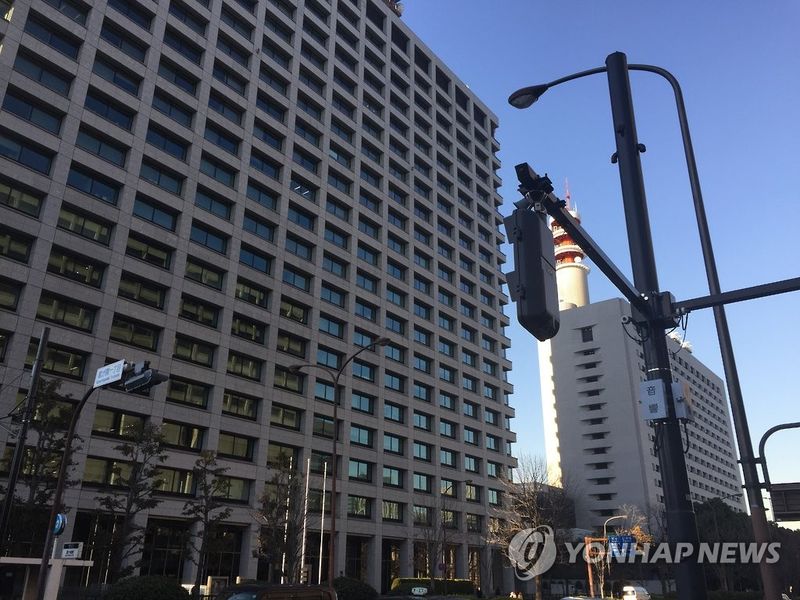
[Financial News] As crimes involving hacking and data theft that exploit artificial intelligence (AI) surge, Japanese companies and government offices are also on high alert over cyberattacks.
According to Kyodo News on the 6th, cybersecurity firm Trend Micro counted 600 incidents of unauthorized access disclosed by Japanese companies and local governments from the start of this year through the end of last month. This has already surpassed the 593 incidents recorded over the whole of last year.
A Trend Micro representative said that conditions are making cyberattacks exploiting AI technology easier to carry out, and urged companies and others to prepare countermeasures.
Information leaks have been occurring frequently in Japan recently.
After Times Car, Japan’s largest car-sharing company, caused a stir by announcing that the personal data of 6.6 million users had been leaked, Daiwa Securities said that up to 220,000 customer records may have been exposed after a contractor’s server was hacked.
Watchmaker Citizen also said that personal data belonging to about 100,000 people may have been leaked after unauthorized access to a server at an external contractor.
Discount retailer Mr. Max... Information on 1.73 million customers leaked...
Nihon Keizai Shimbun, Japan’s largest business daily, also announced on the 4th that a cyberattack targeted employees’ accounts for Microsoft 365, the business software they use, and that about 9,000 emails impersonating employees were sent to sources and others.
A third party appears to have logged into employees’ accounts without authorization, and some email content may have been leaked in addition to recipients’ email addresses and names, it was reported.
Separately, the app for restaurant chain Yakiniku King was reportedly hacked, exposing about 10.79 million pieces of personal information, including subscribers’ email addresses and phone numbers.
Customer information belonging to 1.73 million people was also leaked after unauthorized access to the server of discount retailer Mr. Max’s online store.
At GMO Research & AI’s survey website, unauthorized access led to the leak of about 950,000 pieces of users’ personal information, including names and email addresses. The incident also caused financial losses, with points worth 2.86 million yen (about 24 million won) exchanged without authorization.
An official from Japan’s investigative authorities told Kyodo News, “In the past, hacking required specialized knowledge, but with the advent of AI, it has become possible even without that knowledge.”
Ransomware damage also at its highest level since 2020
Japanese experts advised users to review the types of personal information they store on company websites and elsewhere, as well as how long it is kept, to minimize harm, while recognizing that unauthorized access cannot be completely prevented.
The Asahi Shimbun and other outlets reported that a key member of the criminal group Qilin, which has carried out ransomware attacks against companies and organizations around the world, was recently arrested in Japan and handed over to Germany.
According to reports, Japanese investigators arrested a 28-year-old Russian man who was traveling in Osaka in May and handed him over to German authorities on the 2nd. The man is suspected of breaking into the computer network of a German logistics company in 2024, stealing data, and receiving Bitcoin in exchange for the data.
Qilin, known as a Russian-linked hacking group, has been criticized for contributing to the growing frequency of hacking worldwide by selling ransomware-as-a-service.
According to Japan’s National Police Agency, 123 ransomware incidents were recorded in Japan in the first half of this year, the highest number since the agency began compiling half-year statistics in 2020.
[email protected] Lee Seok-woo, International Affairs Correspondent Reporter