Despite strong results, bank chiefs’ reappointments remain up in the air ... hacking and appointment procedures add uncertainty
- Input
- 2026-10-08 14:59:21
- Updated
- 2026-10-08 14:59:21
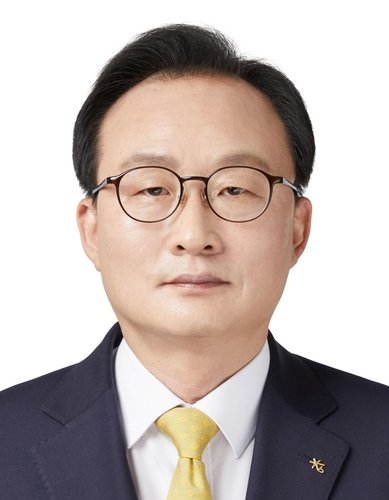
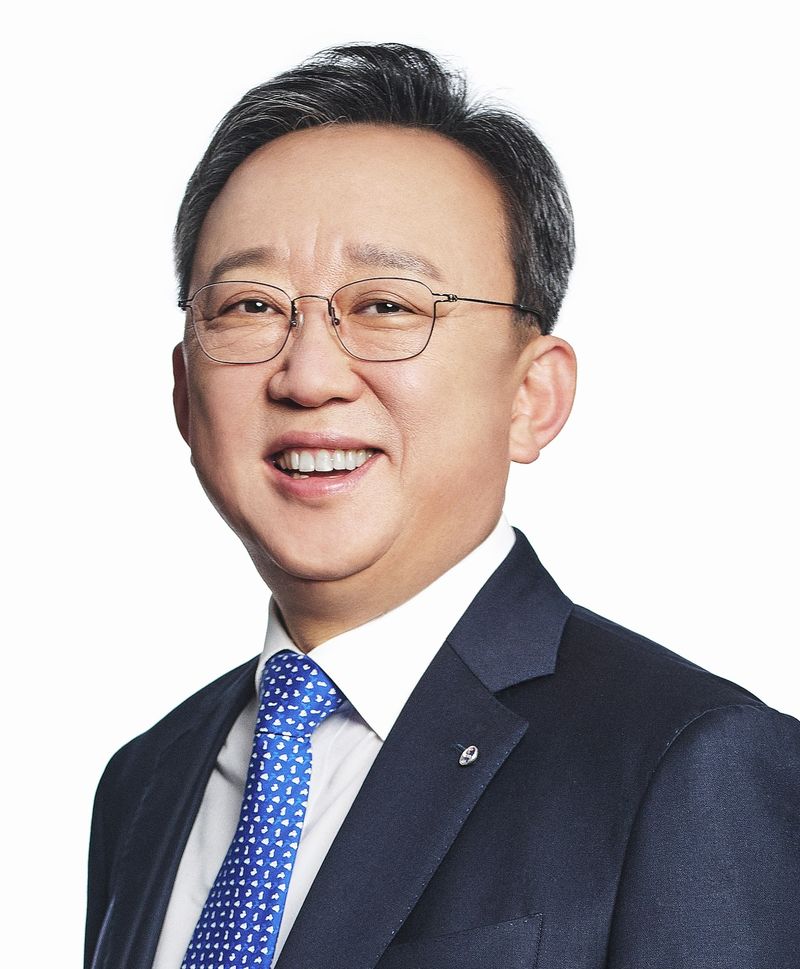
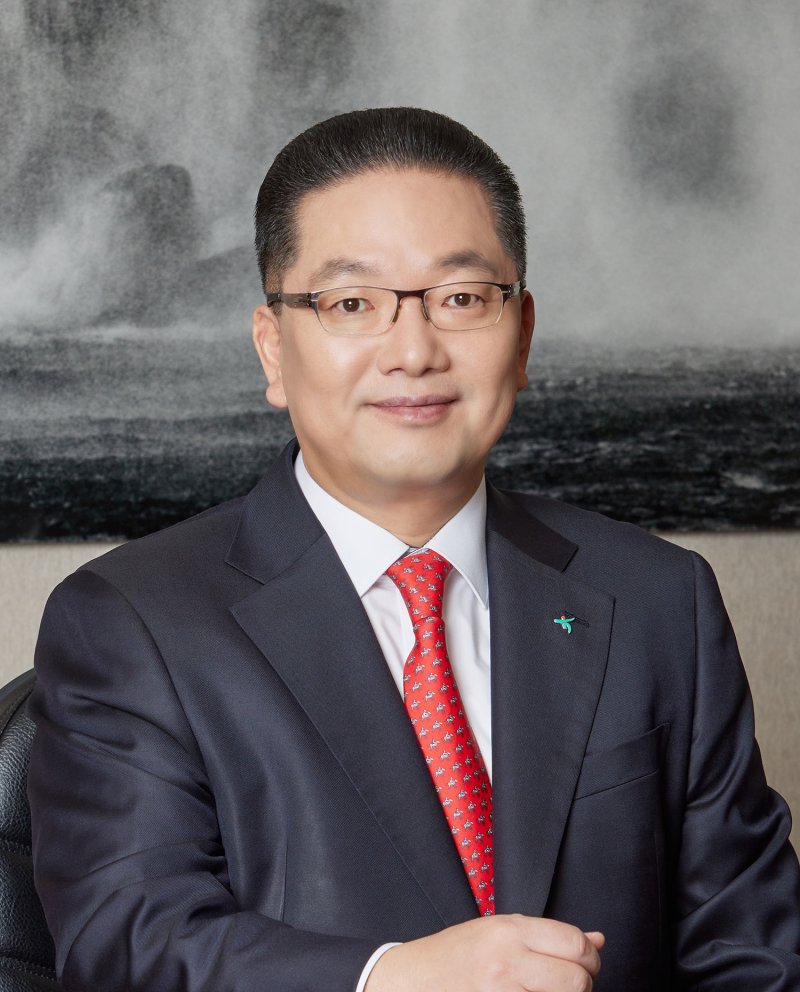
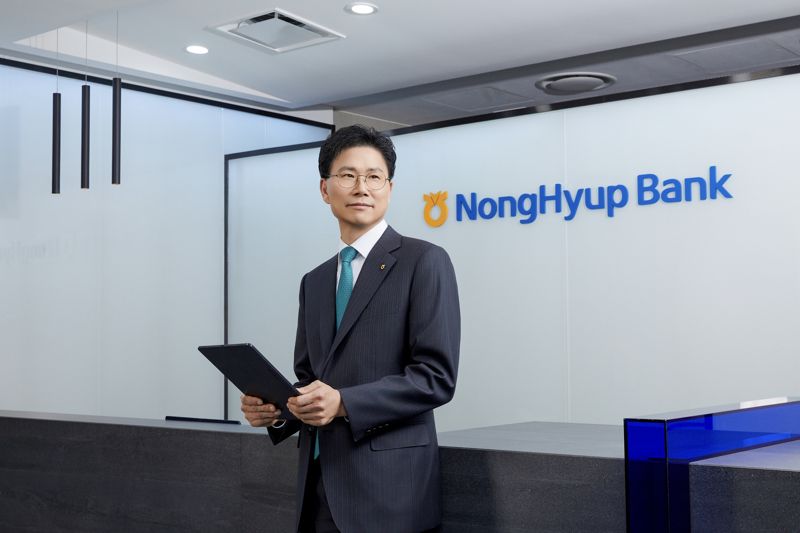
According to financial industry sources on the 8th, the terms of Lee Hwan-ju of KB Kookmin Bank, Jung Sang-hyuk of Shinhan Bank, Lee Ho-sung of Hana Bank, Jung Jin-wan of Woori Bank and Kang Tae-young of NH Nonghyup Bank will all end on December 31 this year. Jung will be reviewed for an additional term, while the other four will be assessed for their first reappointments.
Business performance is a positive factor for reappointment. Compared with the first half of 2022, before Jung took office, Shinhan Bank’s net profit rose 46.1% in the first half of this year. KB Kookmin Bank and Hana Bank also posted increases of 47.8% and 21.1%, respectively, compared with the first half of 2024, before their current presidents took office. Woori Bank strengthened its internal controls, while NH Nonghyup Bank accelerated the expansion of corporate lending and its transition to artificial intelligence (AI).
However, hacking incidents have emerged as a new variable. After customer information leaks were confirmed at KB Kookmin, Shinhan and Hana banks, management accountability for security oversight and incident response became a key issue in parliamentary audits.
That day, the National Assembly’s Political Affairs Committee added the heads of the five major banks to the witness list for its parliamentary audit. They are scheduled to appear as witnesses at the audit of the Financial Supervisory Service on the 19th and answer questions about recent personal information leaks in the banking sector.
Park Sang-hyuk, the ruling party’s secretary on the Political Affairs Committee and a lawmaker from the Democratic Party of Korea, said that day, “We will select the heads of the five major banks and other financial institution representatives as witnesses for the parliamentary audit and hold them accountable for neglecting investment in security.”
Calls from financial regulators to improve CEO succession procedures are also a factor. On the 23rd of last month, Lee Chan-jin, governor of the Financial Supervisory Service (FSS), urged financial holding company chairmen to appoint subsidiary CEOs based on ability rather than factional or personal ties, and to strengthen the roles of bank boards and executive nomination committees.
Financial holding companies are also refining their appointment procedures. KB Financial Group is considering expanding the role of nomination committees at its subsidiaries, while Shinhan Financial Group has decided to share information on the candidate pool with the bank’s nomination committee and grant it the right to recommend candidates. Hana Financial Group has enabled the bank’s nomination committee to give its views on the final candidate pool, and Woori Financial Group has established procedures for the bank’s nomination committee to review management performance and for external professional organizations to conduct assessments.
A banking industry official said, “In these appointments, management’s ability to maintain customer trust, as well as profitability, could be a key evaluation factor,” adding, “It is still too early to predict the outcome.”
[email protected] Ye Byeong-jeong Reporter