Even defensive and general-purpose AI are being turned into hacking tools ... AI has changed the hacking playbook
- Input
- 2026-10-06 16:24:36
- Updated
- 2026-10-06 16:24:36
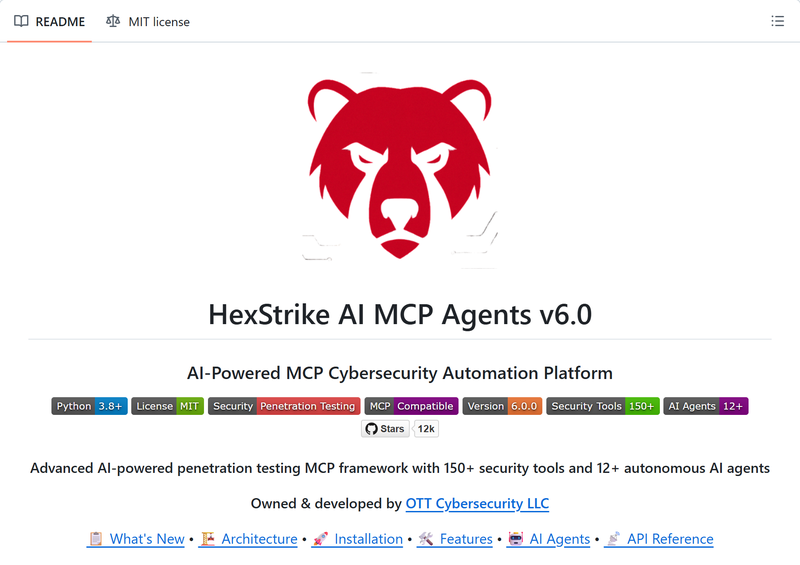
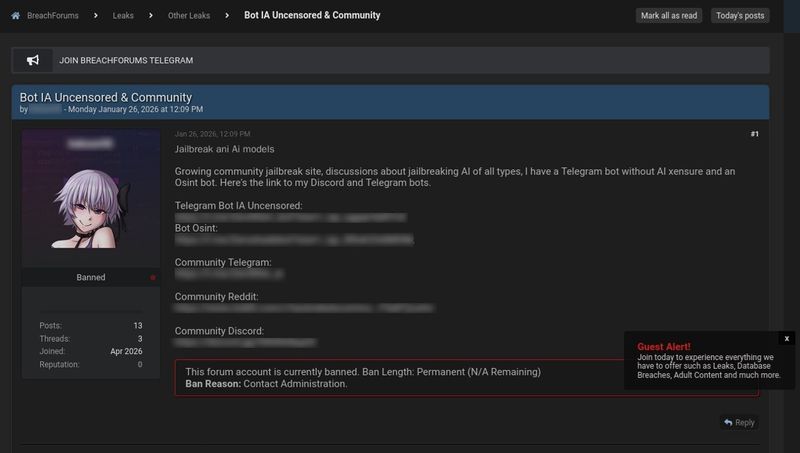
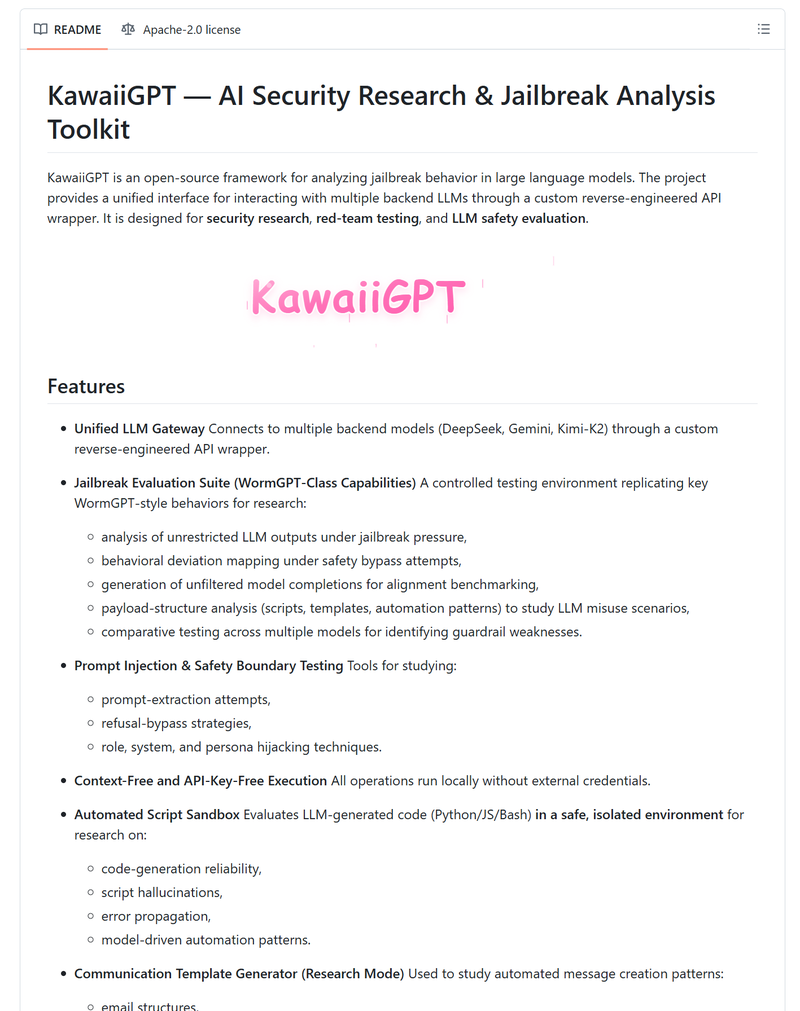
[Financial News] Security AI developed to prevent hacking and AI agents designed to help with everyday work are instead becoming tools for hackers. In addition to malicious AI designed for hacking being traded on the dark web as software as a service (SaaS), AI is now directly involved in attacks, from detecting vulnerabilities to stealing access privileges and searching for internal information. There are concerns that a new cyber threat is becoming a reality as AI rapidly automates attack processes that professional hackers once carried out one by one, lowering the barrier to entry for hacking while increasing the speed and scale of attacks.
According to cybersecurity industry sources on the 6th, AI-powered cyberattacks are evolving beyond generating phishing messages or malware to automate the attack process itself. According to Google’s Threat Intelligence Group (GTIG), software vulnerabilities exploited in cyberattacks averaged 18 per month from January to August this year, a 71% increase from the monthly average of 10.5 during the same period last year. Evidence was recently found that an AI-based vulnerability detection tool had been used on an attack server in a breach in the financial sector, raising the possibility that a legitimate security tool was misused in the attack.
Hacking using AI has already evolved into a service. Our newspaper’s monitoring of the dark web and regular websites through AhnLab, Inc. found that hacking-focused AI such as WormGPT, FraudGPT, and EvilAI is being distributed as SaaS, with subscriptions sold by the month, quarter, or year.
Methods for bypassing the safeguards built into existing generative AI have also emerged. One prominent example is “KawaiiGPT,” which connects to the application programming interfaces (APIs) of commercial AI services such as DeepSeek and Gemini and uses specific prompts to bypass safeguards, rather than developing a separate malicious AI.
A greater concern is that even security AI developed to prevent hacking is being used as an attack tool. Signs have emerged that “HexStrike AI,” a penetration-testing platform that connects generative AI to more than 150 security tools to automate tasks such as vulnerability searches, has also been misused in actual attacks.
According to global cybersecurity firm Check Point, activity was detected last year suggesting that attackers were attempting to use the platform to scan and attack a company’s network equipment. Some attackers claimed to have successfully exploited vulnerabilities, and vulnerable equipment believed to have been identified using the tool was also listed for sale in hacking communities.
General-purpose AI agents are no exception. In an intrusion targeting Thailand’s Ministry of Finance in July, signs were found that a general-purpose workplace AI agent called “Hermes” had been used to identify the possibility of privilege escalation and search internal files. This shows that AI not specifically developed for hacking can also be used in the attack process.
AI is evolving beyond helping hackers from the outside, with malware itself now using AI. GTIG identified malware that uses generative AI, including “PROMPTFLUX” and “PROMPTSTEAL,” last year. The malware uses AI to alter its own code to evade detection or generate commands suited to the situation for extracting system information and documents.
The cybersecurity industry said that, rather than focusing solely on stopping individual intrusions, organizations need systems that can quickly detect signs of automated attacks, such as abnormal API calls, account access, and bulk data queries. AhnLab, Inc. said, “Companies should granularize access permissions for each API request and continuously monitor usage logs to prepare for automated high-volume requests and similar activity,” adding, “They should expand security checks to include admin pages and internal business systems, and apply multi-factor authentication (MFA) to administrator accounts.”
[email protected] Choi Hye-rim Reporter