Lawmaker Kim Hee-jung: "Korea Student Aid Foundation (KOSAF) Must Move Beyond Collecting Perfunctory MOUs"
- Input
- 2026-10-06 14:04:52
- Updated
- 2026-10-06 14:04:52
[Financial News] The Korea Student Aid Foundation (KOSAF)'s employment support program for high school graduates has drawn criticism for focusing on increasing the number of perfunctory memorandums of understanding (MOUs) rather than creating actual job opportunities for young people. The problem is attributed to a distorted system in which KOSAF can sign large numbers of agreements without even setting hiring targets and still receive high performance-evaluation scores.
According to data KOSAF submitted to Kim Hee-jung, chair of the National Assembly Education Committee and a People Power Party lawmaker, the Central Employment Support Center operated by KOSAF signed MOUs in bulk with seven organizations, including industrial complex management organizations in the Daegu area, all on May 27.
The problem is that none of the agreements specified a hiring target, such as how many young people who have graduated from high school would be employed. KOSAF explained that the measure was intended to reduce the burden on partner organizations, but it also emerged that there were not even records tracking and managing whether the agreements had actually led to employment.
KOSAF's performance-evaluation system is at the heart of the proliferation of such ineffective agreements. Under the performance indicator for "promoting a culture of employment for high school graduates," which is scored out of 100 points, the category for MOU performance carries the largest weighting at 30 points. By contrast, the social media communication index, which evaluates communication with the public, is worth only 10 points.
In effect, the system makes it possible to receive a high evaluation simply by signing numerous agreements with institutions, regardless of how many actual jobs are created.
The Central Employment Support Center program currently receives KRW 1.8 billion in government funding each year. This is why it has faced criticism that public money is being spent collecting agreements to inflate performance figures instead of pursuing the program's original purpose of creating jobs.
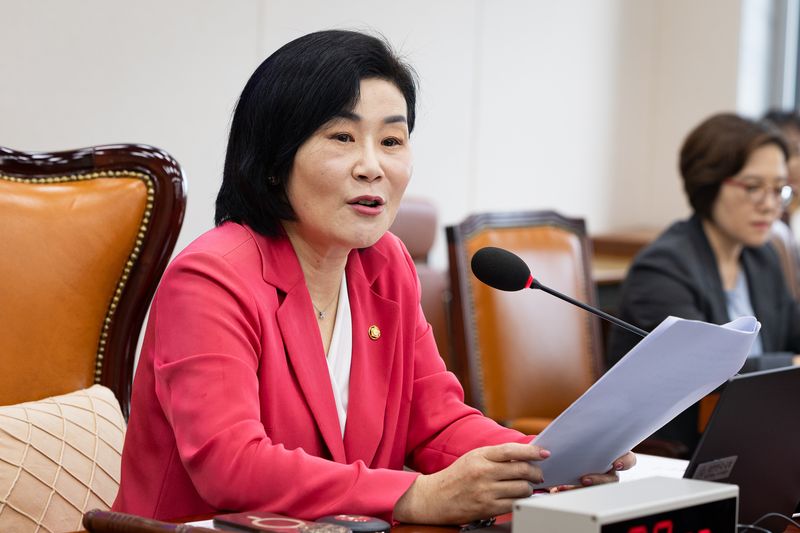
Kim Hee-jung, chair of the Education Committee, said, "What high school graduates truly need is not a performative agreement for show but an actual opportunity to work." She emphasized, "The Ministry of Education and KOSAF must immediately overhaul their evaluation system so that they move beyond collecting perfunctory MOUs and focus on substantive employment linkages and improving public awareness."
[email protected] Kim Man-gi Reporter