“The Election Commission stole 130 million votes”: India’s Gen Z fury ... Is Modi facing his biggest political crisis yet?
- Input
- 2026-10-06 16:10:29
- Updated
- 2026-10-06 16:10:29
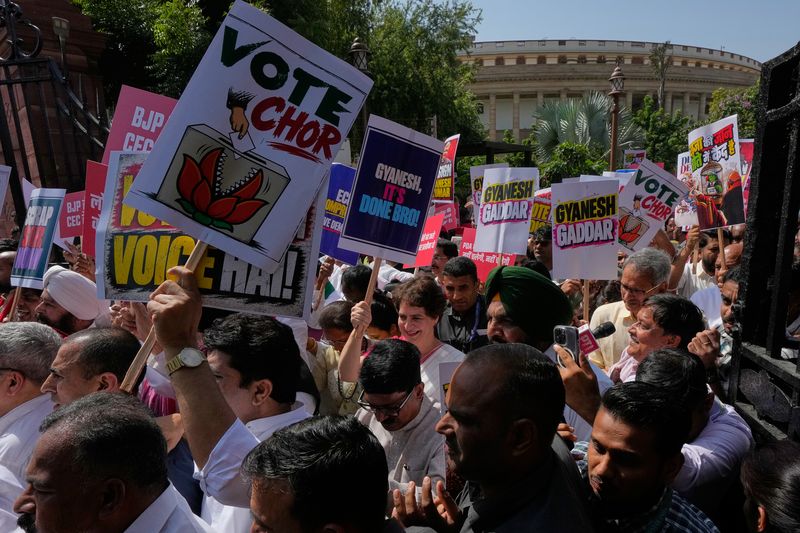
The main reason this crisis is fueling anger across India lies in the profile of those affected. Most of the omitted voters are concentrated among socially vulnerable groups who form part of the anti-Modi opposition support base, including Muslims and members of other religious minorities, women in poverty, older people, and daily-wage workers with limited access to government offices.
As a result, Prime Minister Modi, who has ruled as a “strongman” since coming to power in 2014, has encountered his biggest political obstacle yet. Young people from Generation Z, galvanized by discontent and anger, and the opposition have taken to the streets to condemn the erosion of the election commission’s independence. Even regional parties in the coalition government are watching the situation with deep concern. Fears are growing that, if things continue this way, the very foundations of the Modi government could be shaken to their core.
Anti-Modi voters across India furious over loss of voting rights
The crisis erupted after opposition parties and civil society groups alleged that, under the “Special Intensive Revision (SIR)” undertaken by the Election Commission of India (ECI), voter rolls were being deliberately manipulated and revised to benefit the ruling Bharatiya Janata Party (BJP).
The election commission and the BJP have firmly denied the allegations, countering that the SIR is a necessary measure to improve the accuracy of electoral rolls by removing deceased voters, duplicate registrations, and those who are ineligible. The commission says voters whose names are missing from the rolls can reclaim their rights through an objection and re-registration process. The opposition, however, strongly counters that imposing a stringent verification process on vulnerable people who struggle to register births or obtain the required documents amounts in practice to stripping them of their right to vote.
Allegations of internal divisions within the election commission have further fueled the controversy. The Indian Express reported on the 23rd of last month that some election commissioners had formally raised objections at least 14 times over the past 10 months concerning voter-roll revisions, new voter registrations, and digital systems. The commissioners reportedly raised concerns that some measures could constitute “unlawful actions beyond their authority.” The opposition and local media suspect that Commissioner Gyanesh Kumar, known to be a close associate of Prime Minister Modi, ignored the objections and pushed the measures through.
Cockroach Party and opposition: “Election chief, Modi’s ‘close friend,’ must resign”
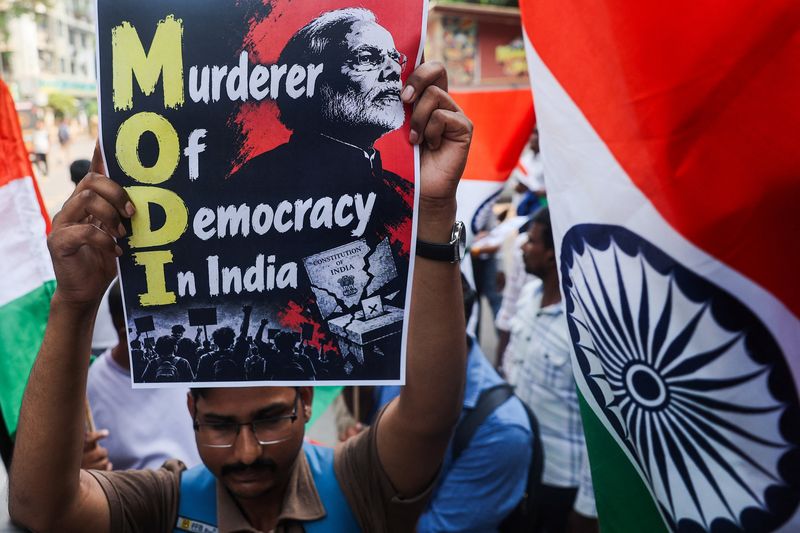
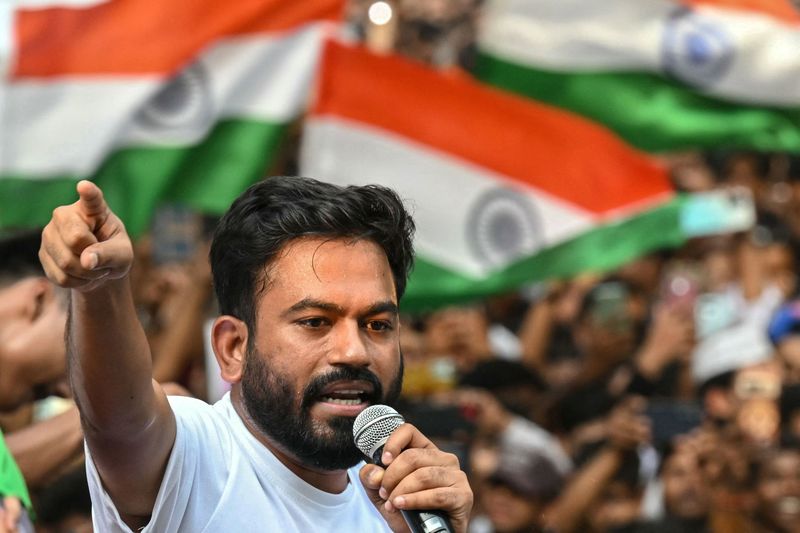
At a rally last month, CJP founder Abhijit Dipke sharply criticized the election commission’s large-scale voter-roll revision, saying, “In the 2024 general election, the gap between the ruling alliance and the opposition was just 2%.” He added, “Deleting as many as 130 million votes amounts to 13–14% of all votes cast. Wasn’t this a move to deliberately widen the gap so the government wouldn’t lose?” The CJP is demanding the resignation of Chief Election Commissioner Kumar. The opposition, including the main opposition Indian National Congress, is also escalating its campaign. Opposition leaders, including Rahul Gandhi of the INC, have called this “vote theft” and are strongly demanding a comprehensive reform of the election commission and Kumar’s resignation.
Will the coalition collapse? Modi’s third-term cabinet caught in a dilemma
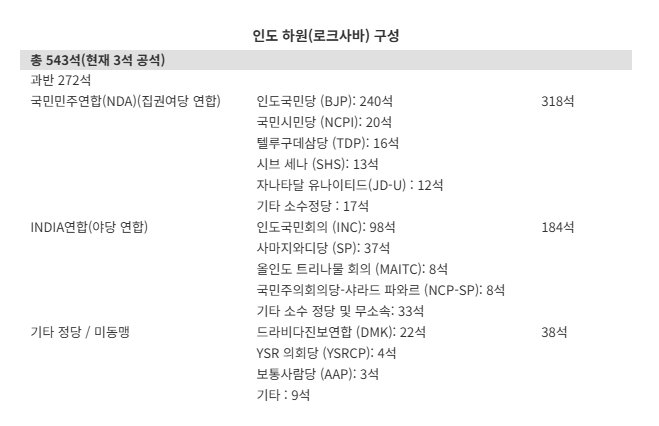
The situation is escalating toward not only an early lame-duck phase for Modi’s third-term government but also the risk of the coalition collapsing. After the BJP failed to secure a majority on its own in the 2024 general election, the Modi government formed a precarious coalition with regional parties. Moderate coalition partners, including the regional Telugu Desam Party (TDP) and Janata Dal (United) (JD-U), have begun to distance themselves in earnest from the Modi government, saying, “We cannot remain allied even over actions that destroy the democratic system.”
[email protected] Kim Jun-seok, Staff Reporter; Pragya Awasthi, Correspondent Reporter