'Resumption of Stalled 4,000-Unit Public Housing Projects' ... Korea Chamber of Commerce and Industry (KCCI)-Board of Audit and Inspection (BAI) Collaboration Bears Fruit
- Input
- 2026-10-06 12:00:00
- Updated
- 2026-10-06 12:00:00
[Financial News] Six public housing projects in the Capital Metropolitan Area and elsewhere that had been stalled by soaring construction costs can now resume. They involve a total of 3,936 housing units.
After KCCI received an opinion from BAI that the project costs could be recalculated, companies that had feared losses of tens of billions of won are preparing to resume construction.
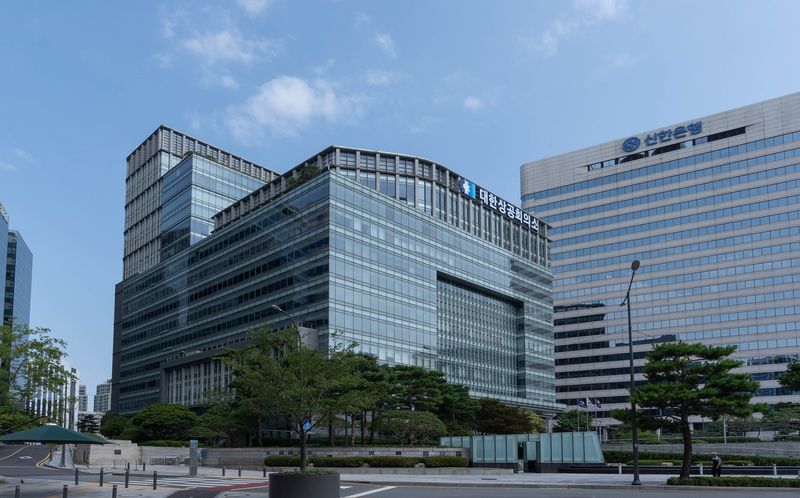
KCCI said on the 6th that, after applying to BAI for pre-consultation on behalf of companies participating in private-participation public housing projects, it received the opinion that "project costs can be recalculated to reflect current conditions." This marked the first successful result achieved by KCCI after BAI expanded eligibility to apply for pre-consultation to private organizations in May.
■ KCCI and BAI Resolve Public Housing Projects Stalled for Years
The opinion applies to private-participation public housing projects, in which the public sector provides the land while private construction firms handle financing, design and construction. As preparations for the projects, including site development and compensation, dragged on after agreements were signed between 2019 and 2021, the COVID-19 pandemic and the Russo-Ukrainian War drove construction costs up by about 30%. As a result, construction could not begin under the original project costs.The government established a basis for adjusting project costs in 2023 and recommended that adjustments be made. However, the agreements contained a provision stating that project costs would not be adjusted due to price fluctuations, leaving ordering agencies concerned that they could be flagged in an audit. As a result, in the pre-consultation requested by ordering agencies last year, only areas designated for advance subscriptions were recognized as eligible for adjustments.
A breakthrough came in May, when BAI opened pre-consultation—previously available only to public institutions—to private organizations established under law, including KCCI.
Pre-consultation is a system under which public institutions seek BAI's opinion in advance when ambiguous interpretations of laws and regulations make decision-making difficult. If an institution acts in accordance with BAI's opinion, it is considered to have met the criteria for audit immunity unless there are special circumstances.
After consulting with the industry, KCCI applied on the 8th of last month for pre-consultation covering six project sites. BAI responded within nine days, stating that project costs could be recalculated at all six sites.
BAI determined that the government had already acknowledged the need for adjustments and that maintaining the agreements, rather than terminating them, served the public interest by supporting housing supply. However, BAI required a cap on the adjustments so that the public sector would not bear a greater burden than it would if it terminated the agreements and reissued the contracts. It also stipulated that the final amounts must be determined through an objective procedure.
■ Expansion Through a Public-Private Partnership Model
As a result, companies that would have faced losses of tens of billions of won from costs already invested in the projects and performance guarantees if the agreements were terminated can now seek adjustments to the project costs.A representative of a participating construction company said, "We could not start construction at the project costs set when the agreement was signed, so all we could do was wait. It was an issue that individual companies found difficult to resolve, but with KCCI serving as a channel, we now have a firm basis in BAI's decision and can find a way to resume the projects."
Lee Jong-myeong, head of KCCI's Industrial Growth Division, explained, "This was an issue that companies had struggled with for a long time but could not easily decide how to address. Because BAI opened its doors to the private sector, there is now an additional channel for resolving companies' difficulties, and its first result will lead to the public benefit of housing supply."
[email protected] Kim Hak-jae Reporter