Siberian Researcher's Death Fuels "Plague Fear"... WHO Says "Risk to the Public Is Low"
- Input
- 2026-10-06 11:43:16
- Updated
- 2026-10-06 11:43:16

[Financial News] Concerns over a possible plague (Black Death) leak and infection are spreading after the death of a female researcher in her 20s who worked at an infectious disease research institute in Siberia, Russia.
On the 5th (local time), foreign media outlets including CBS News reported that Russian authorities had immediately dispatched the chief health official to the site and launched emergency quarantine measures, including isolating hundreds of contacts. They said, however, that the situation was under control.
According to local media reports, the deceased was identified as a 28-year-old researcher affiliated with the Irkutsk Antiplague Research Institute of Siberia and the Far East. While reports differ over the exact circumstances of the infection, authorities announced that she had died after developing severe symptoms of unknown origin.
Rumors spread rapidly on social media that the researcher had been infected after dropping a test tube containing live plague bacteria, heightening public health concerns.
Rospotrebnadzor, Russia's consumer-protection watchdog, dismissed the rumors, saying, "No signs of an accident occurring during the handling of the pathogen were found." Igor Kobzev, governor of the Irkutsk region, also stressed, "The cause of death was pneumonia of unknown origin. No additional symptomatic cases have emerged, and all contacts are under medical observation."
As the controversy continued, Anna Popova, head of Rospotrebnadzor, flew to Siberia and chaired an emergency meeting. Parts of the hospital in the Shelekhov area where the deceased had been hospitalized were placed under restrictions, and employees at a nearby aluminum plant were ordered to wear masks. Authorities said that, after quarantining about 200 contacts, they had found no additional high-risk infectious diseases apart from two COVID-19 cases and two rhinovirus (common cold) cases.
■WHO: Risk to the General Public Is LowRegarding concerns over the Black Death, the World Health Organization (WHO) said, "Based on the information available at this time, the public health risk to the general population is low," adding that it would continue assessing the risk as more information becomes available.
U.S. Secretary of State Marco Rubio also said he was closely monitoring the situation. U.S. President Donald Trump described the researcher's death as "a big problem for Russia" and expressed a willingness to provide assistance, saying, "The United States is willing to help. If any country is dealing with these kinds of problems, we are ready to help at any time."
Siberia is a region where Yersinia pestis, the bacterium that causes plague, exists among wild animals and fleas, and where the first human infections have been reported since prehistoric times. However, human plague infections are extremely rare in modern Russia.
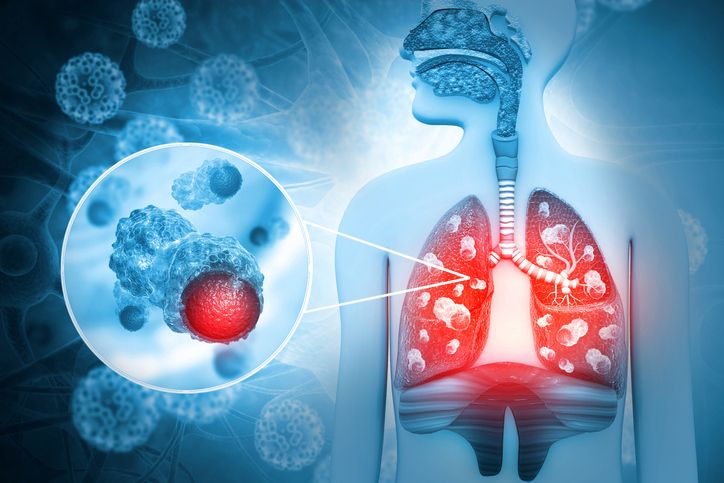
Among the forms of plague, pneumonic plague, which affects the lungs, is highly dangerous because it can spread through droplets from a patient's cough. It can be treated with antibiotics if detected early, but if treatment is delayed, it can lead to death within one to six days.
[email protected] Yoon Jae-jun Reporter