[Report] Pulling Strings and Lighting Bulbs... A Visit to Hyundai Motor Group's 'Science Playground'
- Input
- 2026-10-06 13:00:00
- Updated
- 2026-10-06 13:00:00
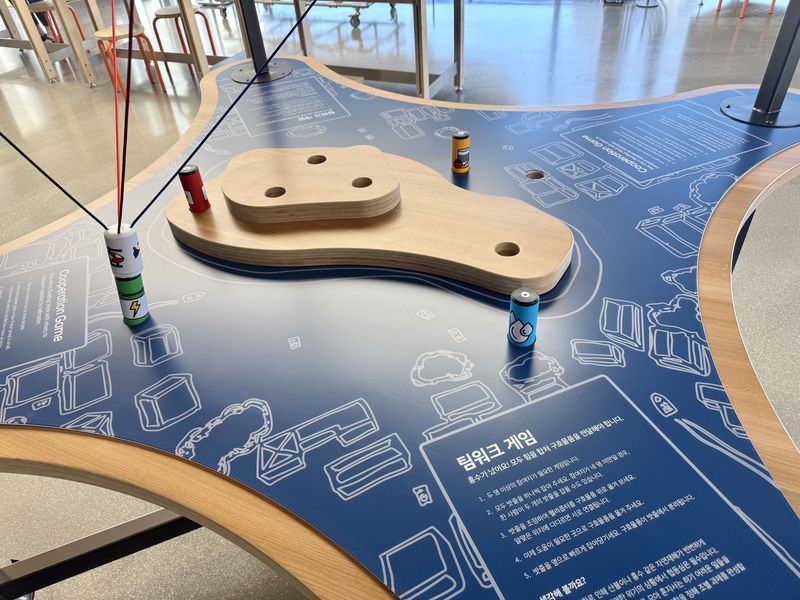
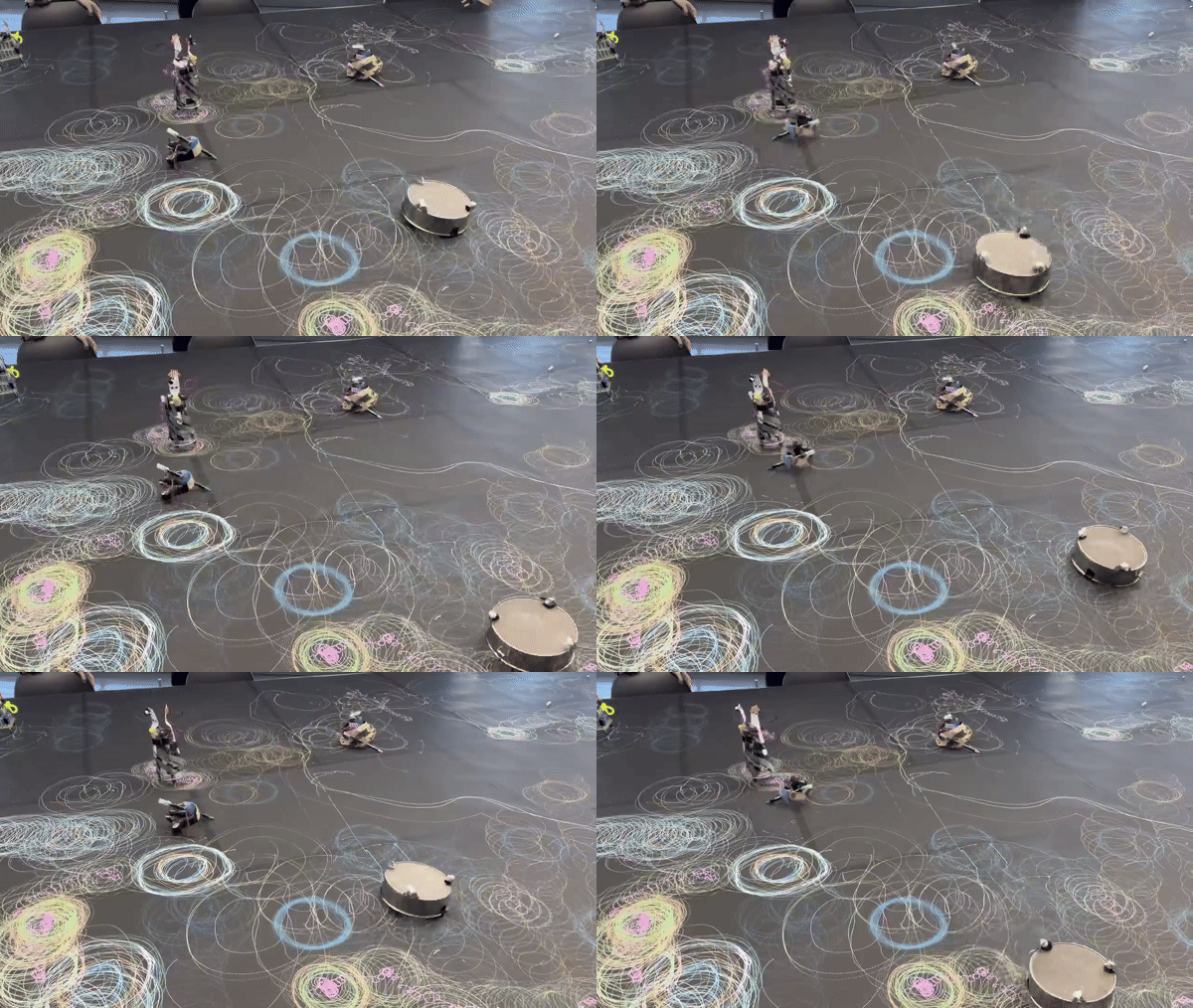
■ "Harder Than It Looks"... A Science Playground with 'No Right Answer'
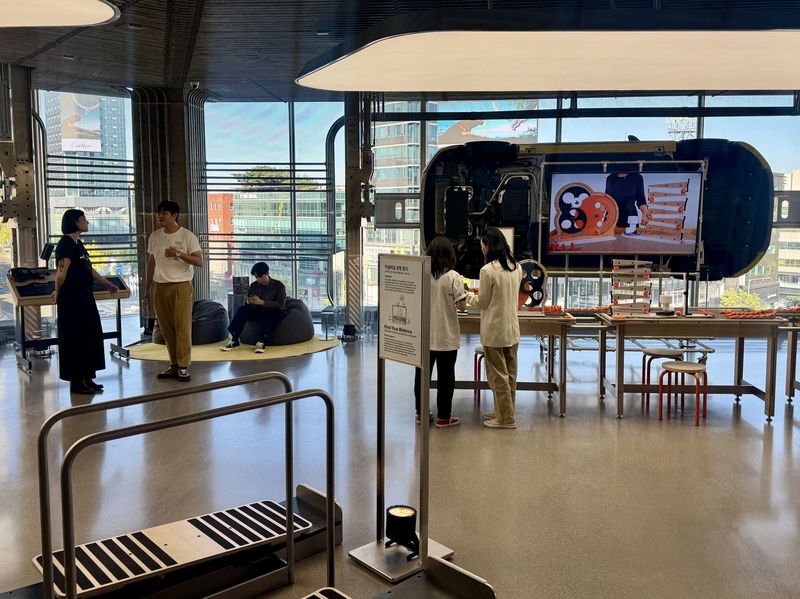
At the 'Relay Play' table next to the Teamwork Game, pressing a button caused a spring to hit a ball. The motion then traveled through a series of gears, creating a chain of rotational and linear movements. Visitors could also rearrange the apparatus themselves to create new chain reactions. Nearby, 'Landscapes Shaped by Wind' allows visitors to turn a device and change the direction of the wind, causing sand to transform into mountain-like terrain.
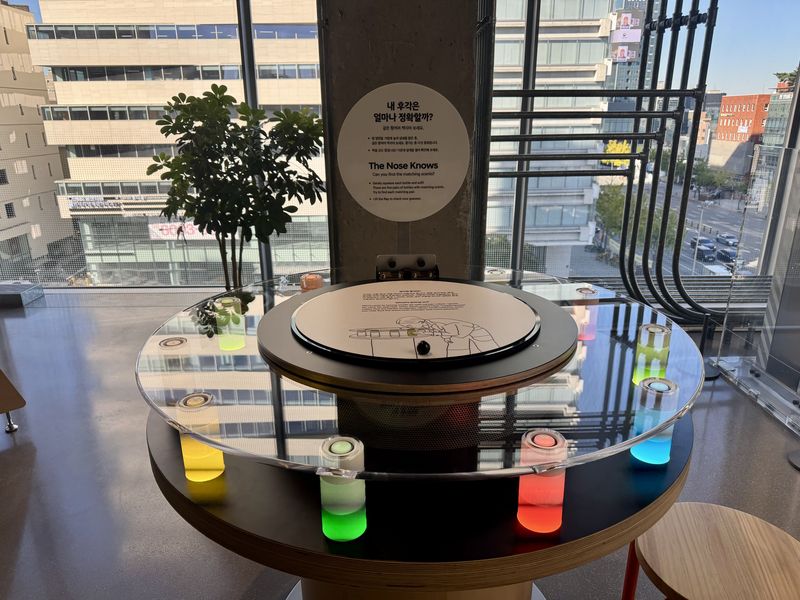
Another activity invited visitors to guess what a scent would be based solely on its color before smelling it themselves. In many cases, the actual scent differed from what they expected. The exhibit lets visitors experience firsthand how their sense of smell can be influenced by visual and other sensory information.
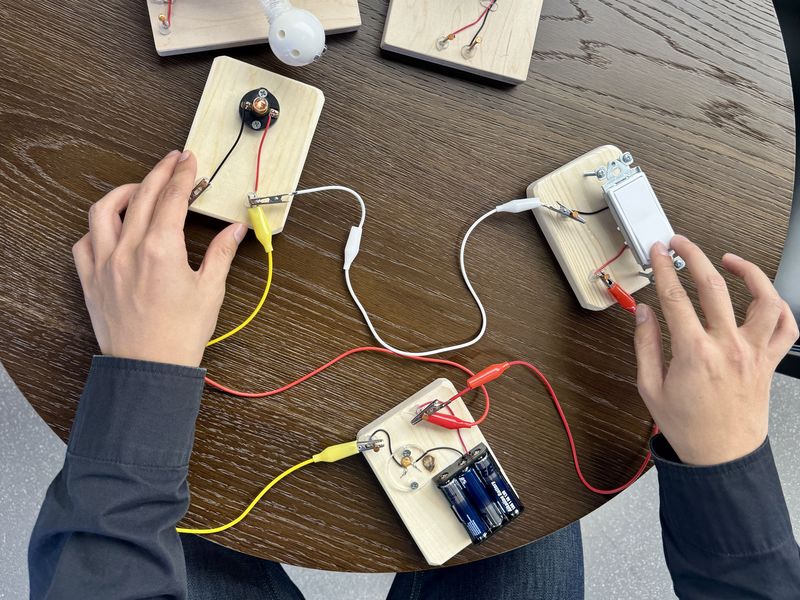
On the fourth floor, visitors could freely connect switches, buttons and light bulbs to explore electrical circuits. When one participant asked how the circuit should be connected, a Hyundai Motor Group representative replied, "There is no right answer," and encouraged them to try various configurations. At the 'Drawing Machine' activity, which uses recycled plastic, batteries and a motor to create a drawing machine, one visitor remarked, "Drawing a perfect circle is harder than I expected."
Rather than having visitors memorize predetermined answers, the exhibits encourage them to touch and explore the mechanisms themselves. This approach reflects the Exploratorium's core philosophy. Founded in San Francisco in 1969 by physicist Frank Oppenheimer, the science museum is known for its hands-on exhibits.
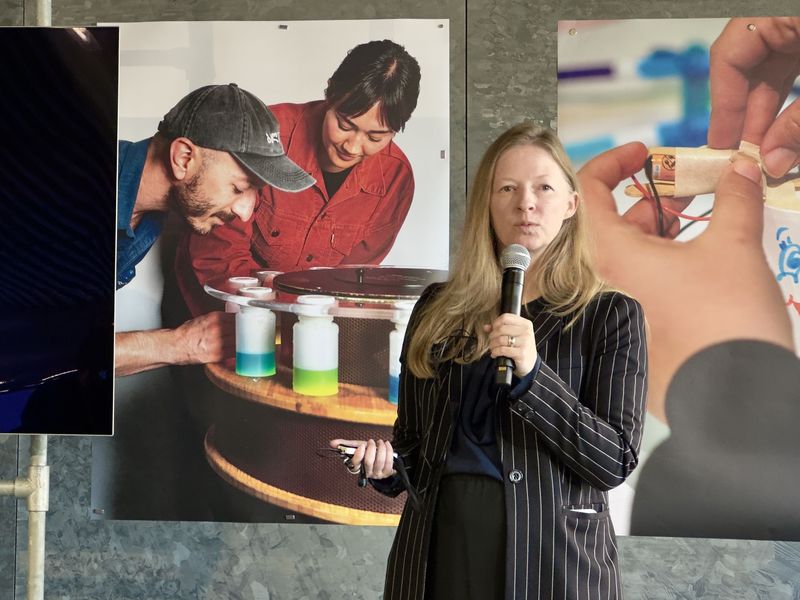
Anne Richardson, chief experience officer at the Exploratorium, said, "Our role is not to tell people what to think, but to provide tools that allow them to experience real phenomena, observe and ask questions for themselves, and make their own discoveries."
■ 300 Exhibits Planned for GBC... "Authenticity Over Sales"
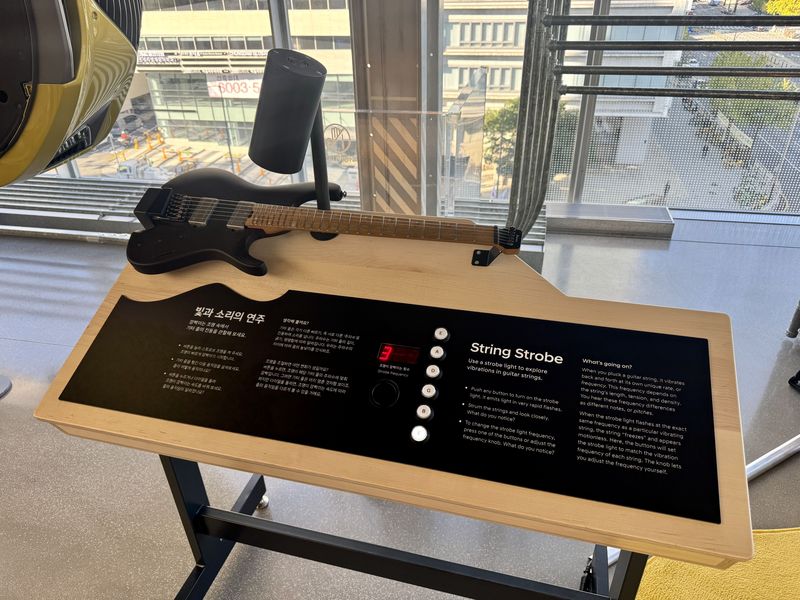
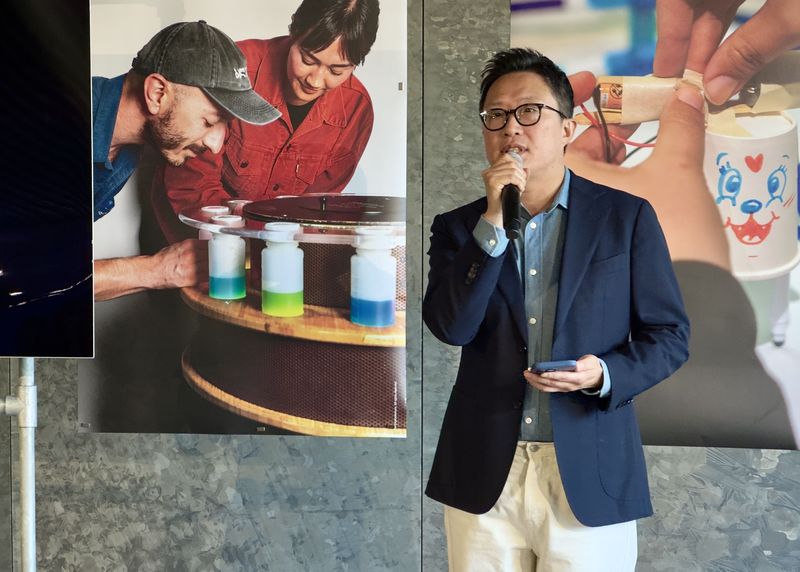
Asked why the group is building a science museum, Vice President Jee said, "Science asks 'why,' while technology answers 'how' to implement it. When science and technology are linked, innovation on a higher level becomes possible." He added, "If children learn science by rote from textbooks from an early age, they lose interest. We started with the idea of making science fun for the younger generation."
Asked about the connection to automobile sales, Jee described the project as a long-term initiative. "Sales promotion is approached tactically, while the science museum is a strategic activity with a corporate social responsibility (CSR) focus," he said. He emphasized, "If we pursue this for the sake of actual numbers and driving sales, its authenticity will not come through. We view it as a long-term brand initiative."
The exhibits are researched and produced at the Exploratorium in San Francisco before being brought to Korea. Hyundai Motor Group employees also participate in local workshops and help create them. Richardson said, "Some existing exhibits will be adapted into new versions for Korean visitors, while others will be created entirely from scratch. We have not attempted this before."
During the exhibition period, Hyundai Motor Group plans to invite science and creative communities from Korea and analyze visitor feedback collected on-site. The findings will be reflected in the development and operation of the science museum's content. The exhibition will run free of charge through December 15, and members of Hyundai Motorstudio can participate in all exhibits and hands-on programs.
Vice President Jee said, "This time, we will have more to learn from our customers. By reflecting that feedback, we will be able to design experiences better suited to Korea when the museum opens in 2032."
[email protected] Kim Dong-chan Reporter