"A Second Wuhan?" Nearly 200 Quarantined Amid Reports of a Death Linked to a 'Plague Leak' in Russia's Siberia; U.S. and EU on Alert
- Input
- 2026-10-06 00:16:03
- Updated
- 2026-10-06 00:16:03
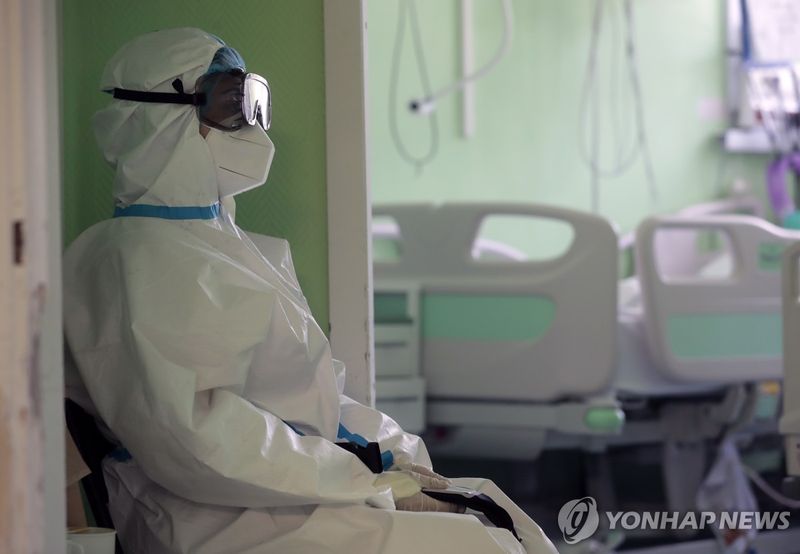
[Financial News] A researcher has died and nearly 200 people have been placed under quarantine following a suspected leak of plague, a deadly infectious disease, at a disease-control research institute in Siberia, Russia. Russian authorities have moved to contain the situation, saying it was merely a case of 'pneumonia of unknown cause,' but suspicions of an information cover-up are growing. The international community, including the United States and the European Union (EU), is also closely monitoring the situation over concerns about the possible spread of the disease.
According to TASS and other foreign media outlets on the 5th local time, Darya Shipilova, 28, a laboratory assistant at a plague-control research institute in Irkutsk, Russia, was hospitalized at a facility in Shelekhov with severe pneumonia. She died between the first and second of this month while receiving ventilator treatment. Local media raised the possibility that Shipilova contracted pneumonic plague after accidentally breaking a test tube containing a live bacterial culture on the 25th of last month and inhaling the resulting aerosol.
Immediately after the death, Russian authorities took control of the hospitals where Shipilova had stayed and placed about 200 contacts under quarantine for medical observation. An aluminum plant near the institute also instructed all employees to wear masks.
As the repercussions grew, Russian authorities moved quickly to deny any 'connection to plague.' Dmitry Peskov, a spokesperson for the Kremlin, stressed, "People should trust official announcements from health authorities rather than rumors or speculation." The Federal Service for the Oversight of Consumer Protection and Welfare (Rospotrebnadzor), Russia's health regulator, also announced that no work-related pathogens, including plague bacteria, had been found in samples from the deceased and identified the cause of death as 'pneumonia of unknown cause.'
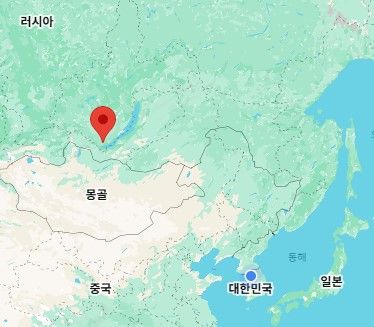
However, suspicions of a cover-up have hardly subsided. Despite the authorities' denials, Anna Popova, head of Rospotrebnadzor, was dispatched to Irkutsk, 4,100 kilometers from Moscow. Igor Kobzev, governor of Irkutsk Oblast, also canceled all public events, prompting further signs of an unusual response. Suspicions were fueled by Alexey Tsydenov, head of the neighboring Buryat Republic, who remarked, "There is a possibility that it is plague." Local epidemiologist Mikhail Pavorov pointed to the possibility that the truth was being concealed, saying, "The very fact that Chief Popova became involved suggests the seriousness of the situation." Local Telegram channels and others have compared the incident to the 'Wuhan situation,' where COVID-19 first emerged.
Unlike other forms of plague, which are transmitted through fleas and other vectors, pneumonic plague can spread from person to person through respiratory droplets, creating a high risk of large-scale transmission. The United States and the EU are therefore closely monitoring the situation.
U.S. Secretary of State Marco Rubio said before departing for a trip to Europe, "We are watching the matter closely. It is not a situation that requires immediate concern, but we need to remain vigilant because it could spread rapidly if it moves beyond the area." The White House is also monitoring the related outbreak and is reportedly reviewing possible responses.
[email protected] Park Ji-hyun Reporter