Public Prosecution Office Case Deliberation Committee, Expanded from the Investigation Review Panel—Will It Address "Withdrawal of Prosecution"?
- Input
- 2026-10-05 14:30:08
- Updated
- 2026-10-05 14:30:08
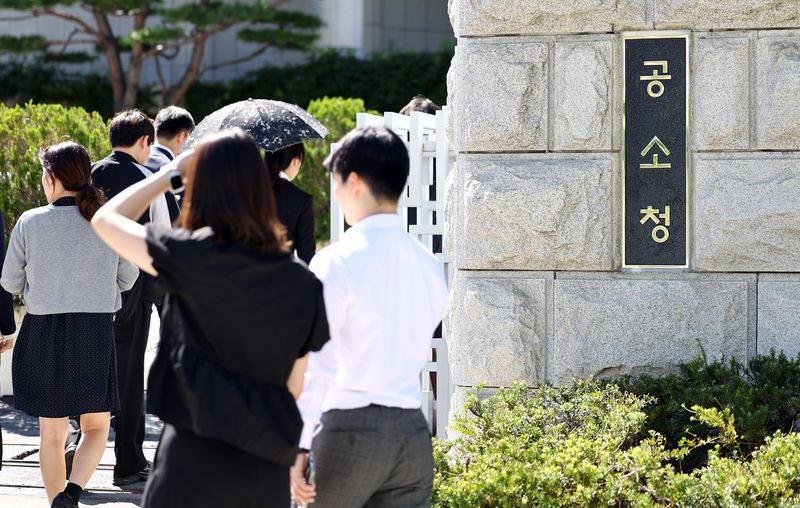
[Financial News] The Prosecution Investigation Deliberation Committee, introduced in 2018 to check abuses of prosecutorial power, has been reorganized as the Case Deliberation Committee under the newly launched Public Prosecution Office system. The former committee was criticized as a "shield for prosecutorial decisions," including after it recommended against indicting Kim Keon Hee in September 2024 over her acceptance of a luxury handbag. Attention is now focused on whether the new body can overcome the limitations of its predecessor.
According to legal sources on the 5th, the Public Prosecution Office abolished the Prosecution Investigation Deliberation Committee operated by the former prosecution service and established the Case Deliberation Committee in its place. The new committee will review cases that attract intense public interest or raise concerns about fairness.
The newly established Public Prosecution Office Case Deliberation Committee removed "investigation" from its name following the abolition of investigative authority. Its size and deliberative powers have been significantly expanded.
Requests for deliberation can now be filed not only by people involved in a case, including complainants, victims and suspects, but also by the lead prosecutor in charge. The authority to convene the committee has been distributed from the prosecutor general to the heads of each regional Public Prosecution Office. The previous framework remains in place for matters such as selecting members at random from a pool of legal professionals, academics and media figures, as well as the grounds for disqualification.
Under the Indictment Agency Act, the specified subjects of review include whether to request or re-request an arrest warrant, whether to bring an indictment, the newly added question of "whether to file an appeal," and "other matters prescribed by presidential decree in connection with a prosecutor's duties." Under the enforcement decree, a regional Public Prosecution Office chief may determine that deliberation is necessary in light of a case's seriousness or the need for remedies, allowing the committee to address virtually any duty performed by a Public Prosecution Office prosecutor. This means that even whether to withdraw a prosecution in a case currently being tried can now be placed on the committee's agenda.
Accordingly, attention is focused on whether the question of withdrawing prosecutions in criminal cases involving President Lee Jae Myung, whose trials are currently suspended, will go before the Case Deliberation Committee. The ruling Democratic Party of Korea (DPK) has consistently called for the withdrawal of the prosecutions, alleging since the early days of the administration that the prosecution brought fabricated indictments.
Others argue, however, that it would be practically difficult for the Case Deliberation Committee to address an actual withdrawal-of-prosecution proposal. The former Prosecution Investigation Deliberation Committee never reviewed such a matter during its eight-year history, and its recommendations were merely nonbinding opinions. A structural problem also remains: political and legal responsibility would fall entirely on the individual lead prosecutor.
Even if a deliberation on withdrawal of prosecution is forced through, observers say it could end up serving merely as a way to secure a justification for the decision or shape public opinion, rather than becoming a substantive judicial solution.
[email protected] Lee Chang-hoon Reporter