South Korean Military Conducts 'North Korean Mine-Removal Operation' in DMZ Under 25th Division, Taking First Step in Implementing Measures Against North Korea
- Input
- 2026-10-05 16:44:26
- Updated
- 2026-10-05 16:44:26
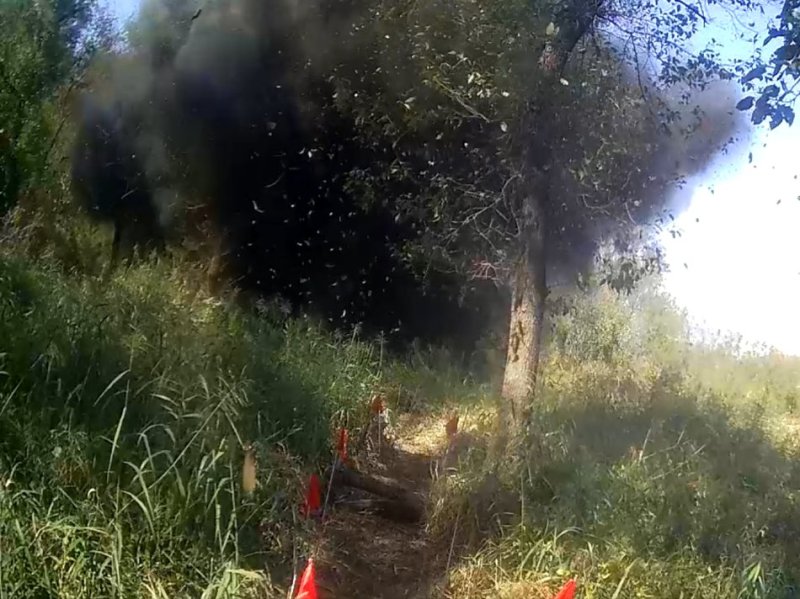
According to the ROK JCS on the 5th, military authorities deployed specialized equipment and service members from the morning to the operational area in the DMZ under the ROK Army 25th Infantry Division. They conducted a precision mine-removal operation in the recently confirmed North Korean minefield and safely completed it at around 12:51 p.m. The operation was carried out under the highest level of secrecy, with close coordination with the UNC to protect the deployed personnel and prevent accidental clashes.
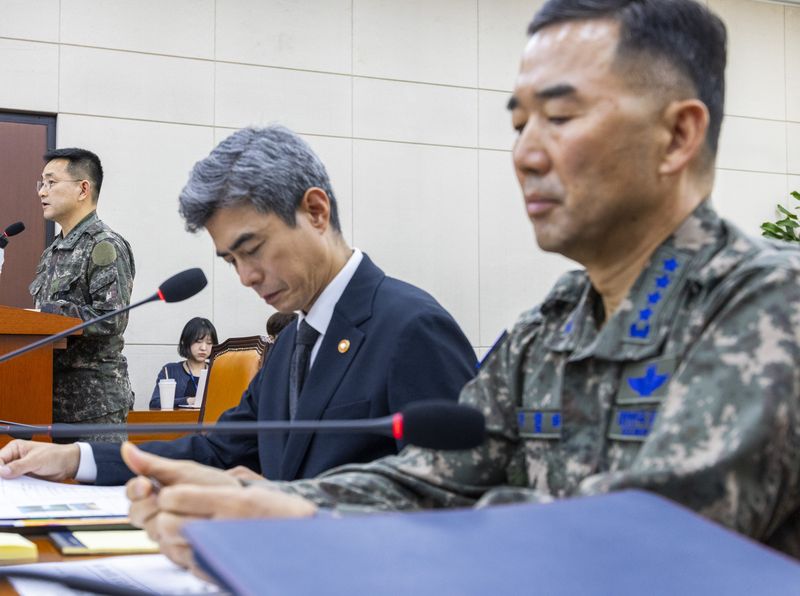
At an official briefing that day, ROK JCS Vice Chairman Kwon Dae-won announced, "Our military removed at around 12:51 p.m. the North Korean minefield south of the MDL that caused this mine explosion and that the UNC recognized as a violation of the Armistice Agreement." He added, "The purpose of this operation was to remove the minefield that North Korea installed south of the MDL in violation of the Armistice Agreement."
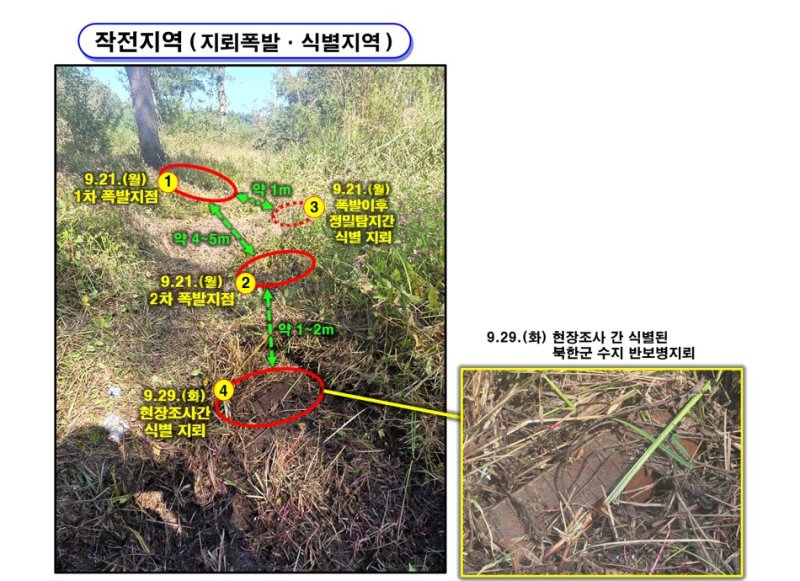
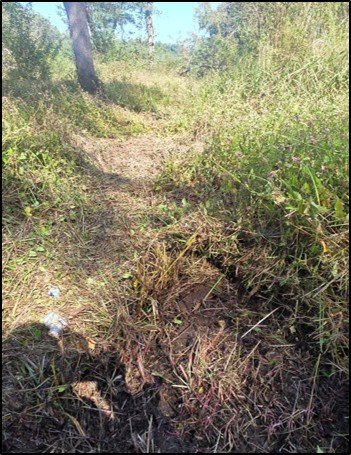
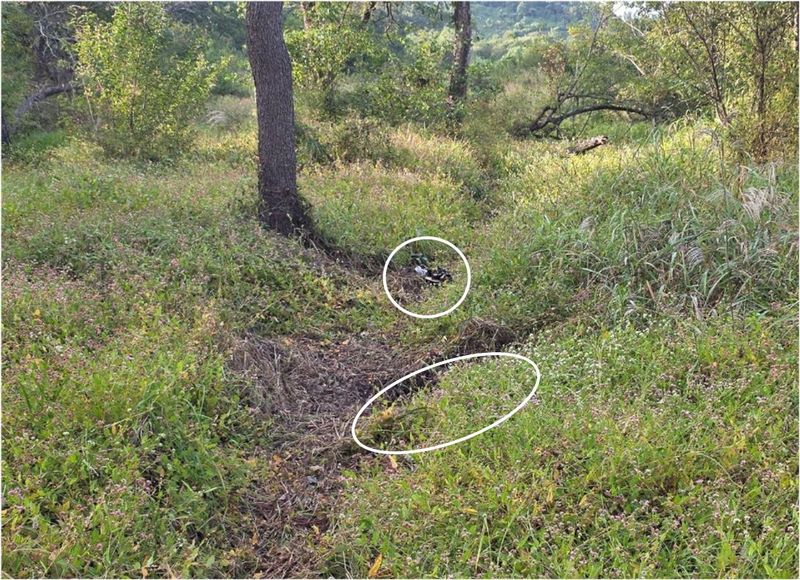
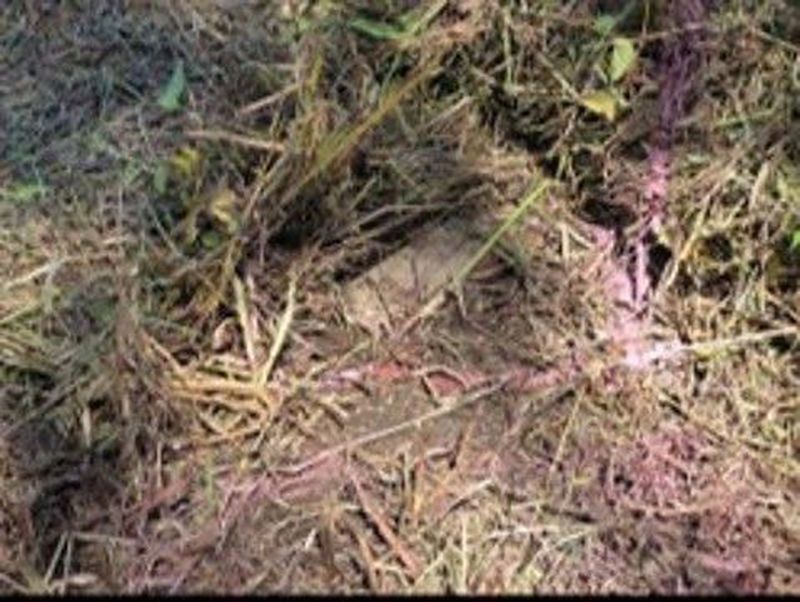
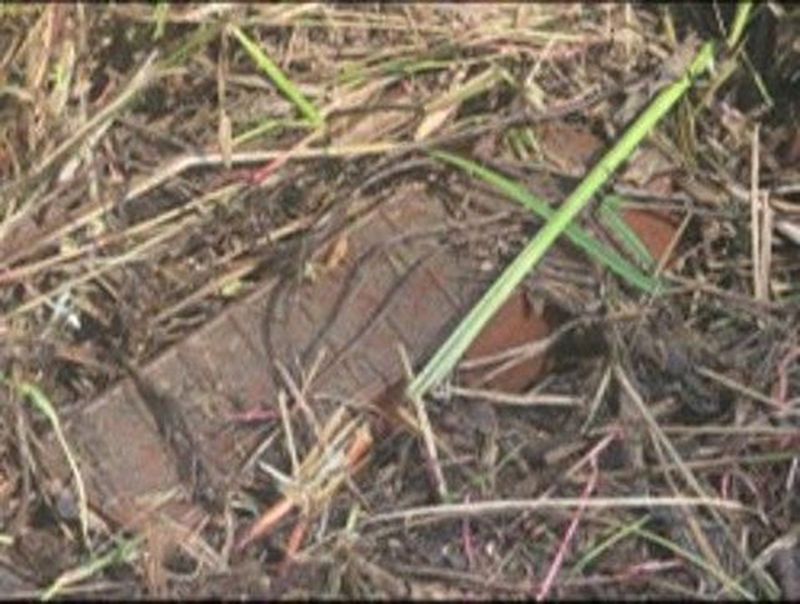
The main target of the removal operation was the area where the provocation originated, where three South Korean service members, including a search battalion commander, were seriously injured on the 21st of last month. It was also the area where the 'fourth North Korean mine' was found buried near the explosion site on the third day of the joint field investigation on the 29th of last month. Forensic findings showed that a total of four mines had been concentrated at an extremely narrow chokepoint on a South Korean search route measuring around 4 meters in diameter. This became decisive physical evidence that completely ruled out the possibility that the mines had been naturally displaced by flooding or other causes.
The South Korean military's physical mine-removal operation was the first phased corresponding measure carried out just three days after new Minister of National Defense Kang Shin-chul visited Camp Humphreys on his first official outing after taking office and coordinated practical measures on the 'DMZ mine-explosion response' with General Xavier T. Brunson, commander of the ROK-U.S. Combined Forces Command. Over the past two months, North Korea has repeatedly undermined the Armistice Agreement by illegally crossing the MDL more than 50 times at forward positions, including the 21st Division on the eastern front, and installing fences under the pretext of 'fortifying the border.'
The ROK JCS issued a firm warning based on clear principles regarding North Korea's continued provocations. Kwon declared, "If North Korea does not voluntarily remove the minefields it installed south of the MDL, we will continue carrying out mine-removal operations south of the MDL to ensure peace in the DMZ and the safety of our service members." Military authorities also stated, "Our military demands that North Korea offer a sincere apology even now to our service members who were injured in this mine explosion," adding, "We strongly urge North Korea to immediately remove the mines it installed in violation of the Armistice Agreement."
Security experts view the military authorities' action as reflecting the South Korean military's firm resolve to remain unmoved by North Korea's repeated ballistic-missile provocations and the external psychological-warfare campaign, including denunciatory statements by Kim Yo Jong, and to directly eliminate the real threats on the ground.
[email protected] Lee Jong-yoon Reporter