Middle East Crude Oil Export Recovery 'Shaken' as Iran Steps Up Attacks in the Strait of Hormuz
- Input
- 2026-10-05 16:00:59
- Updated
- 2026-10-05 16:00:59
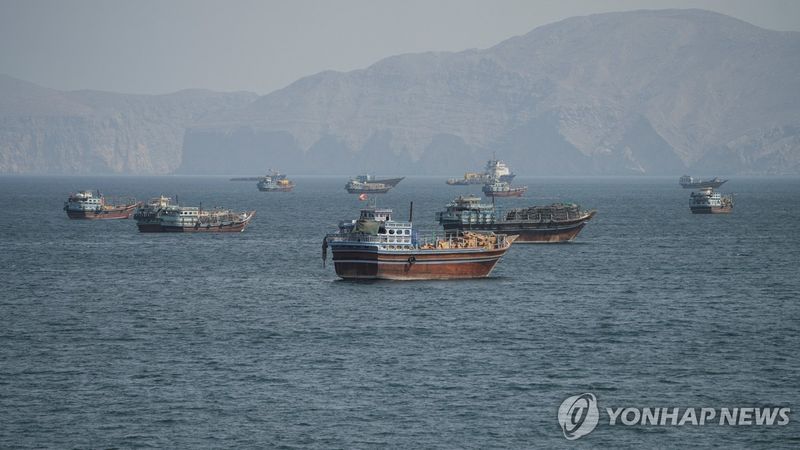
On the 4th (local time), The Wall Street Journal (WSJ) reported, citing shipping data provider Kpler, "Crude oil exports from the Middle East excluding Iran averaged at least 16.5 million barrels per day last month, recovering to 87% of the approximately 19 million barrels per day recorded before the war broke out in February." The report said exports from Saudi Arabia, the Middle East's largest oil producer, also rose sharply from 2.45 million barrels per day in August to 6.9 million barrels per day in September.
The recovery in crude oil shipments is believed to have been driven by several factors, including escort operations by the United States Navy (USN), attacks targeting Iran's data and communications facilities, and shuttle operations by oil-producing countries. In shuttle operations, tankers load crude oil in the Persian Gulf, pass through the Strait of Hormuz, and transfer the cargo to another vessel. Each operation costs $30 million to $40 million, or approximately 40.4 billion to 53.9 billion won.
Meanwhile, the United Kingdom Maritime Trade Operations (UKMTO) reported that seven attacks targeting vessels had occurred around the Strait of Hormuz since the 28th of last month. In connection with the attacks, the Islamic Revolutionary Guard Corps (IRGC) Navy had warned vessels attempting to pass through the strait with U.S. support that they could come under attack. Analysts estimated that the recent resumption of attacks had reduced crude oil shipments by 2 million to 3 million barrels per day.
The WSJ warned, "Attacks on vessels could derail the recovery in crude oil shipments again," and predicted, "If transport disruptions occur, they could also hurt the global economy."
[email protected] Hong Chae-wan Reporter