Iran's Brinkmanship: "The Strait of Hormuz Will Remain Closed Until All Seven Conditions Are Fully Accepted"
- Input
- 2026-10-04 22:09:50
- Updated
- 2026-10-04 22:09:50
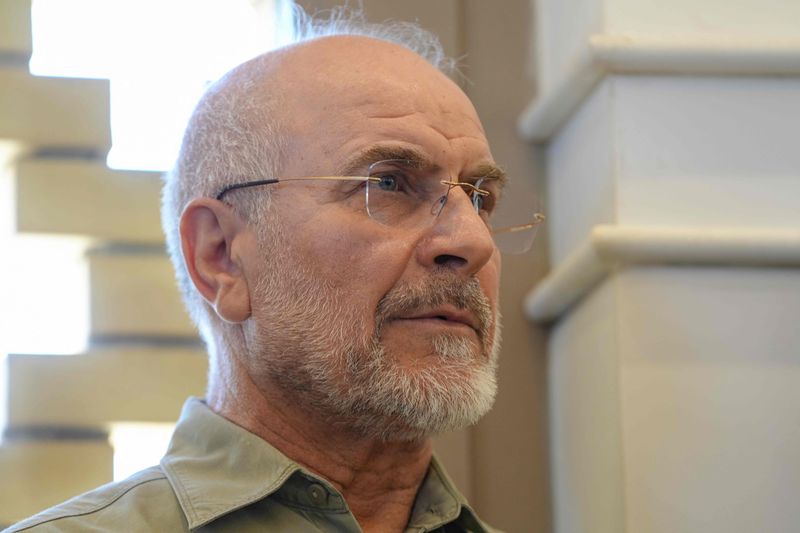
[Financial News] Iran has reaffirmed its hard-line stance toward the United States, saying it will not reopen the Strait of Hormuz, a key chokepoint for global oil shipments, unless all seven conditions it has put forward are met.
According to foreign media outlets, including The Associated Press (AP), on the 4th local time, Mohammad Bagher Ghalibaf, Iran's chief negotiator in the ceasefire talks and speaker of parliament, said in an interview with state media and in remarks to a parliamentary plenary session, "The era in which the United States imposed unilateral demands and dragged out negotiations is over." He added, "The Strait of Hormuz will never be opened until all seven of our conditions based on the Islamabad Memorandum of Understanding (MOU) are fully accepted."
Ghalibaf denounced the United States' practice of presenting proposals through mediators while sending different messages to the media as "cognitive warfare." He stressed, "We are not being forced to choose between war and negotiations; we simply act according to authority and reason." He further threatened, "We fight when necessary and negotiate when necessary. We can go into battle with all our strength and launch a surprise attack, and those who prepare for war also prevail at the negotiating table."
The seven key conditions in Iran's "seven-day confidence-building plan" reportedly include the lifting of the US naval blockade, the immediate return of frozen funds, an exemption from sanctions on Iranian oil exports, and an end to fighting on all fronts. Iran has proposed opening the Strait within seven days if the United States implements them.
Abbas Araghchi, Iran's foreign minister, also summoned diplomats based in Tehran that day and said, "If a solution to the dispute is accepted, we can open the Strait of Hormuz within seven days," while warning, "If the United States chooses military action, we are prepared to take any measures necessary for defense."
Meanwhile, negotiations between the two sides remain deadlocked over the agenda and the sequence of implementation. Esmail Baghaei, a spokesperson for Iran's Foreign Ministry, dismissed the US proposal, saying, "The United States is still focusing on the nuclear issue, but we want clear measures related to restoring safety in the Strait of Hormuz." Iran also denied reports that it would allow nuclear inspections in exchange for sanctions relief, saying, "It has not been discussed." Instead, reports indicate that Iran is pressuring the United States, with even the possibility of withdrawing from the Treaty on the Non-Proliferation of Nuclear Weapons (NPT) being raised inside Iran.
Earlier, the two countries signed an Islamabad MOU, a ceasefire roadmap, in July with Pakistan serving as mediator. However, talks stalled after armed clashes resumed over differences concerning control of the Strait of Hormuz. Iran's military has said that US forces are currently deployed 1,000 km off Iran's coast and announced that it would significantly increase the range of its missiles, further heightening military tensions surrounding the strait.
[email protected] Park Ji-hyun Reporter